



Apr . 01, 2024 17:55 Back to list
Do Horses Need A Stable Engineering Analysis
Introduction
The question of whether horses need a stable is a complex one, deeply rooted in equine physiology, behavioral ecology, and evolving management practices. Traditionally, stabling has been considered essential for protection from inclement weather, provision of concentrated feed, and facilitating veterinary care. However, a growing body of research demonstrates that prolonged stabling can, paradoxically, negatively impact equine health and welfare, increasing the risk of respiratory disease, musculoskeletal issues, and behavioral abnormalities. This technical guide will explore the benefits and drawbacks of stabling, analyzing the physiological requirements of horses and the engineering considerations for stable design and management. The industry faces a core challenge: balancing the perceived conveniences of stabling with the inherent biological needs of an animal evolved to roam and graze. This necessitates a nuanced approach, focusing on optimizing environmental conditions and management strategies whether horses are housed in a stable or live primarily outdoors.
Material Science & Manufacturing
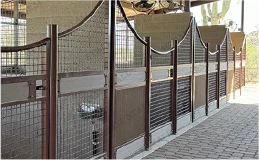
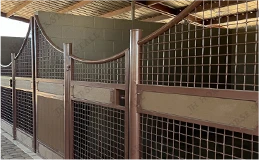
Stable construction utilizes a variety of materials, each with specific physical and chemical properties impacting longevity and equine safety. Historically, timber was the predominant material, offering relatively low cost and ease of construction. However, timber is susceptible to rot, insect infestation, and fire damage, requiring ongoing maintenance and treatment with preservatives (often containing copper naphthenate or creosote, which present environmental concerns). Modern stable construction increasingly employs steel, particularly for framing, offering superior strength and durability. Steel, however, necessitates corrosion protection through galvanization or powder coating, with galvanization relying on zinc coatings and powder coating on polymeric films (typically epoxy or polyester). Concrete is also commonly used for flooring and foundations, requiring careful attention to drainage and surface texture to minimize slip hazards and bacterial growth. Stable bedding materials represent a separate category, ranging from straw (cellulose-based, potential allergen source) to wood shavings (varying wood species impact dust levels), peat moss (high water absorption, acidic pH), and synthetic materials like polypropylene (dust-free, non-biodegradable). Manufacturing processes include timber milling and joining (mortise and tenon, screwing), steel fabrication (welding, bolting), concrete mixing and pouring, and bedding material processing (chopping, screening). Key parameter control includes wood moisture content (to prevent warping and decay), steel coating thickness (for corrosion resistance), concrete compressive strength, and bedding material particle size distribution (affecting absorbency and dust generation). The chemical compatibility of materials is critical – for example, avoiding direct contact between dissimilar metals to prevent galvanic corrosion.

Performance & Engineering
Stable performance is dictated by several engineering considerations. Structural integrity is paramount, requiring load calculations to withstand the weight of horses, hay, and snow loads (in relevant climates). Ventilation is crucial to mitigate ammonia buildup from urine and manure, reducing respiratory irritation. Natural ventilation relies on convection currents and strategically placed openings, while forced ventilation utilizes fans. Airflow calculations (CFM – cubic feet per minute) must account for stable volume, horse density, and climate conditions. Lighting impacts circadian rhythms and equine behavior; full-spectrum lighting mimicking natural daylight is preferred. Floor design is critical for traction and drainage. Concrete floors should have a textured surface to prevent slipping, while clay or sand floors provide cushioning but require more frequent maintenance. Stable size must accommodate natural equine behaviors, allowing for turning, lying down, and social interaction. Insufficient space can lead to stress and increased risk of injury. Force analysis considers the impact forces generated by a horse moving within the stable, informing the design of stall partitions and door latches. Compliance requirements vary by jurisdiction, often referencing animal welfare regulations and building codes. Environmental resistance necessitates durable materials capable of withstanding repeated cleaning and disinfection with various agents (e.g., bleach, quaternary ammonium compounds).
Technical Specifications
| Parameter | Unit | Typical Value (Timber Stable) | Typical Value (Steel Stable) |
|---|---|---|---|
| Stall Dimensions (Width x Depth) | m | 3.6 x 3.6 | 3.6 x 3.6 |
| Wall Height | m | 2.4 | 2.4 |
| Timber Species (for framing) | - | Douglas Fir | N/A |
| Steel Grade (for framing) | - | N/A | ASTM A36 |
| Galvanization Coating Thickness | µm | N/A | 85-140 |
| Ventilation Rate (per horse) | m³/hr | 200-300 | 200-300 |
| Ammonia Concentration (allowable) | ppm | <25 | <25 |
Failure Mode & Maintenance
Stable failures can arise from several sources. Timber structures are susceptible to rot and termite damage, leading to structural weakening and eventual collapse. Regular inspections and preservative treatments are crucial preventative measures. Steel structures can experience corrosion, particularly in coastal environments or areas with high humidity. Maintaining protective coatings (galvanization or paint) is essential. Concrete floors can crack due to freeze-thaw cycles or excessive loading. Prompt repair of cracks prevents further deterioration. Bedding materials can harbor bacteria and fungi, posing a respiratory hazard to horses. Regular cleaning and replacement of bedding are necessary. Fasteners (nails, screws, bolts) can loosen over time due to vibration and weathering, requiring periodic tightening or replacement. Stall partitions can fail due to impact damage from horses, necessitating repair or reinforcement. A common failure mode is delamination of wood flooring or partitions due to moisture ingress. Oxidation of steel components occurs over time, weakening the structure and impacting coating adhesion. Maintenance solutions involve regular inspections, preventative treatments (preservatives, coatings), timely repairs, and proactive replacement of worn components. Failure analysis should identify the root cause of the failure to prevent recurrence.
Industry FAQ
Q: What is the optimal stall size for a 16-hand horse?
A: A generally accepted minimum stall size for a 16-hand (approximately 1.6 meters at the withers) horse is 3.6m x 3.6m. However, larger stalls (e.g., 4.2m x 4.2m) are preferred, particularly for horses prone to claustrophobia or those requiring more space for maneuvering due to physical limitations. The goal is to allow the horse to comfortably turn around, lie down without obstruction, and maintain a safe distance from stall walls.
Q: How can I minimize ammonia levels in a stable?
A: Effective ammonia control relies on a multi-pronged approach. First, ensure adequate ventilation – both natural and mechanical. Regularly remove soiled bedding and manure. Consider using bedding materials with high absorbency. Supplementing the horse's diet with lysine can reduce ammonia production in urine. Maintaining a dry stable environment minimizes bacterial activity and ammonia generation.
Q: What are the key considerations for stable flooring?
A: Flooring should provide traction, cushioning, and drainage. Concrete floors are durable but require a textured surface to prevent slipping. Clay or sand floors offer cushioning but require more frequent maintenance. Rubber mats can be added to concrete floors to improve comfort and traction. Proper drainage is essential to prevent urine and water from pooling, which can contribute to bacterial growth and odor.
Q: What type of lighting is best for a stable environment?
A: Full-spectrum lighting that mimics natural daylight is ideal. This helps regulate the horse's circadian rhythm and supports overall health and well-being. LED lights are energy-efficient and provide a consistent light output. Avoid flickering lights, which can cause anxiety and stress.
Q: How often should a steel stable structure be inspected for corrosion?
A: Steel stable structures should be inspected for corrosion at least annually, and more frequently in coastal environments or areas with high humidity. Pay close attention to welds, joints, and areas where the protective coating may be damaged. Promptly repair any corrosion to prevent further deterioration.
Conclusion
The decision of whether or not a horse "needs" a stable is not binary. While offering protection from the elements and facilitating management, prolonged stabling can compromise equine welfare. Modern horse management prioritizes maximizing turnout time and minimizing stabling duration. Effective stable design focuses on optimizing ventilation, lighting, and flooring to create a safe and comfortable environment. The core principle is to replicate, as closely as possible, the natural environment to which the horse is biologically adapted.
Future trends in stable design emphasize flexible and adaptable structures, incorporating automated ventilation and lighting systems, and utilizing sustainable materials. Continuous monitoring of indoor air quality and proactive maintenance programs are essential for ensuring long-term structural integrity and equine health. A holistic approach, integrating stabling with pasture management and individualized horse care, is paramount for promoting optimal well-being.
-
horses in the stable song Material Science and Manufacturing
-
horse stable in minecraft Performance and Engineering
-
Horse in a stable Structural Engineering and Performance Analysis
-
boarding stables for horses Material Science and Manufacturing
-
Pasture Turnout will pasturing horses reduce stable vices Performance Analysis
-
toy horse stable Material Science and Manufacturing
-
our generation horse stable Material Science Manufacturing
-
stardew horse stable Performance Analysis
-
Stable horse Structural Performance Analysis
-
horses in the stable lyrics Data Integrity Analysis
-
horse riding stables Material Science and Manufacturing
-
Horse in stable Structural Engineering
-
horse boarding stable Performance Engineering
-
horse and stable toy Material Science
-
barbie horse stable Material Performance Analysis