



Apr . 01, 2024 17:55 Back to list
Equine Stable Engineering Analysis a horse in the stable
Introduction
The modern equine stable represents a complex biomechanical and physiological support system for Equus caballus, the domestic horse. This guide analyzes the technical parameters governing stable design, construction, and maintenance, focusing on minimizing stress, maximizing animal welfare, and preventing structural degradation. Horses, as large, dynamic loads, impose significant demands on materials and construction techniques. The stable’s function extends beyond simple shelter; it is a critical component in maintaining equine musculoskeletal health, respiratory function, and overall performance capability. We will examine the interplay between material properties, engineering principles, and operational protocols impacting the lifespan and effectiveness of the equine stable environment. Core performance metrics include load-bearing capacity, ventilation effectiveness, impact resistance, and sanitation maintainability. Failure in these areas can lead to injury, illness, and economic loss.
Material Science & Manufacturing
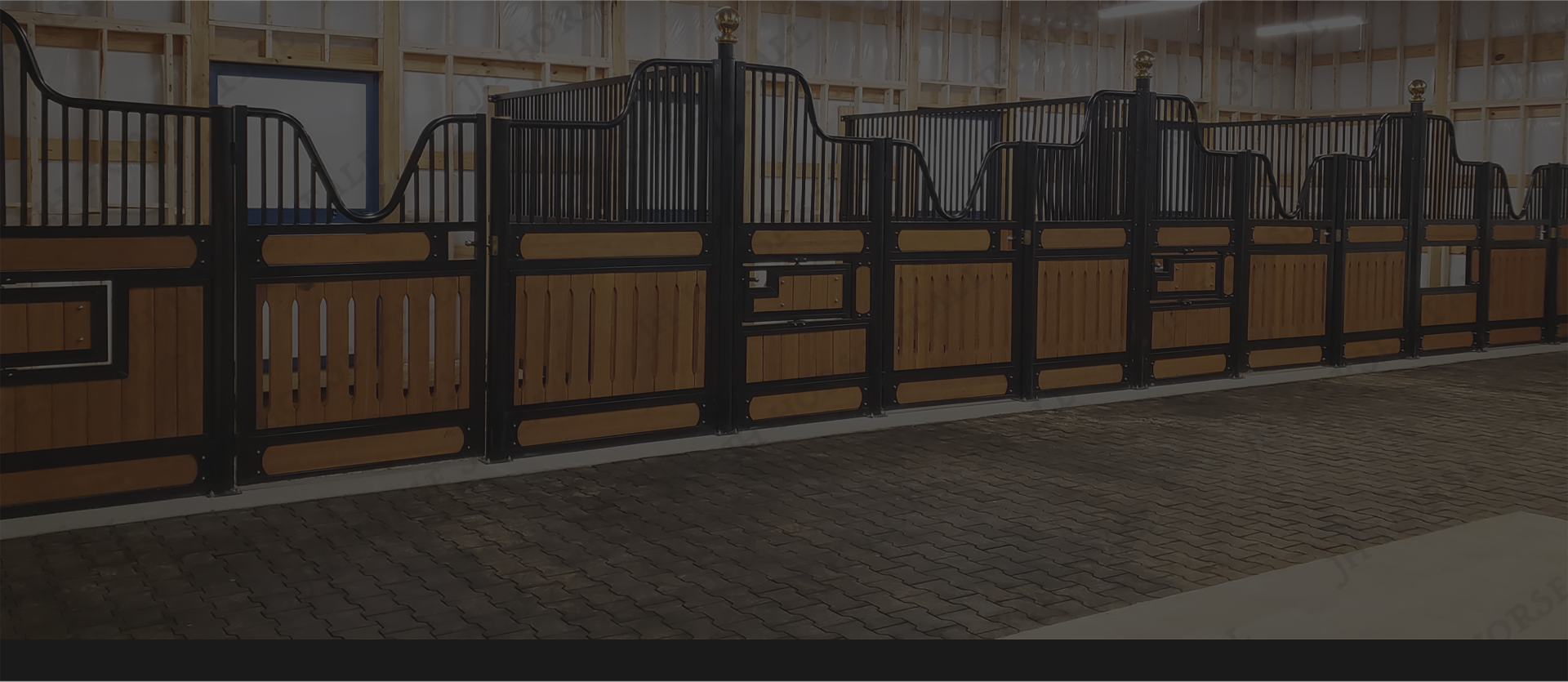
Stable construction typically employs wood, concrete, steel, and composite materials. Wood, primarily pressure-treated lumber (often Southern Yellow Pine or Douglas Fir) exhibits high tensile strength relative to its weight but is susceptible to decay, insect infestation, and fire. Manufacturing involves milling, pressure treatment with preservatives (Copper Azole, Alkaline Copper Quaternary – ACQ), and precise joinery. Concrete, primarily Portland cement-based, offers exceptional compressive strength and durability but low tensile strength, requiring reinforcement with steel rebar. Manufacturing necessitates accurate mixing ratios, proper curing procedures, and formwork construction. Steel (typically carbon steel alloys) provides high tensile and compressive strength, resistance to deformation, and can be fabricated into complex structures via welding, bolting, and forging. Corrosion is a primary concern, necessitating galvanization or protective coatings. Modern stable designs increasingly incorporate composite materials like fiber-reinforced polymers (FRP) for stall walls and roofing. FRP offers high strength-to-weight ratios, corrosion resistance, and design flexibility, manufactured through layering and resin infusion processes. Key parameter control includes wood moisture content (below 20%), concrete compressive strength (minimum 3000 psi), steel weld integrity (meeting AWS D1.1 standards), and FRP resin-to-fiber ratio. Flooring materials often incorporate rubber matting (typically EPDM or recycled tire rubber) for impact absorption and traction, manufactured through vulcanization and molding processes.
Performance & Engineering
Stable performance is critically linked to load distribution, structural integrity, and environmental control. A mature horse exerts a concentrated load of approximately 1000-1200 lbs per hoof. Structural analysis employs finite element analysis (FEA) to model stress concentrations in stall walls, support beams, and foundation elements. Engineering designs must account for dynamic loading caused by horse movement (kicking, shifting weight) and potential impact forces. Ventilation is paramount, requiring a minimum air exchange rate of 8-12 air changes per hour to remove ammonia, dust, and pathogens. Computational Fluid Dynamics (CFD) modeling is utilized to optimize airflow patterns and minimize stagnant zones. Compliance requirements, as dictated by regional agricultural codes and animal welfare regulations (e.g., American Association of Equine Practitioners guidelines), mandate specific stall dimensions, flooring requirements, and ventilation standards. Stall wall heights must prevent horses from reaching over or escaping. Flooring must provide adequate traction to prevent slips and falls. Roofing systems must prevent water ingress and provide thermal insulation. Impact resistance is assessed through pendulum impact testing, measuring the energy absorption capacity of stall walls and doors. The structural framing needs to withstand wind loads and seismic activity, adhering to ASCE 7 standards.
Technical Specifications
| Parameter | Unit | Wood Stall (Typical) | Concrete Block Stall (Typical) |
|---|---|---|---|
| Stall Width (Minimum) | ft | 12 | 12 |
| Stall Depth (Minimum) | ft | 10 | 10 |
| Wall Height | ft | 8 | 8 |
| Wood Tensile Strength | psi | 8,000 – 12,000 | N/A |
| Concrete Compressive Strength | psi | N/A | 3,000 – 4,000 |
| Ventilation Rate (Minimum) | ACH | 8 | 8 |
Failure Mode & Maintenance
Common failure modes in stable construction include wood rot, concrete cracking, steel corrosion, and FRP delamination. Wood rot, caused by fungal decay, is exacerbated by moisture exposure and inadequate ventilation. Prevention necessitates pressure treatment, proper drainage, and regular inspection. Concrete cracking, resulting from shrinkage, thermal stress, or excessive loading, compromises structural integrity. Regular crack sealing and reinforcement are essential. Steel corrosion, initiated by exposure to moisture and oxygen, weakens steel members. Galvanization, protective coatings, and regular inspection are critical. FRP delamination, caused by moisture ingress or manufacturing defects, reduces structural capacity. Preventive maintenance includes visual inspections for damage, regular cleaning to remove manure and debris, and prompt repair of any defects. Stall walls should be inspected for structural integrity and replaced if compromised. Flooring should be inspected for wear and tear and replaced as needed. Ventilation systems should be cleaned and maintained to ensure optimal airflow. Periodic structural assessments by a qualified engineer are recommended to identify potential problems before they escalate. Fatigue cracking in steel connections, arising from repetitive loading, requires non-destructive testing (NDT) techniques like ultrasonic testing to identify flaws.
Industry FAQ
Q: What is the optimal wood treatment for longevity in a high-humidity stable environment?
A: Alkaline Copper Quaternary (ACQ) is generally preferred over older treatments like Chromated Copper Arsenate (CCA) due to environmental concerns. ACQ offers excellent resistance to fungal decay and insect infestation, even in persistently damp conditions. However, proper application and adherence to recommended retention levels are crucial. A minimum retention of 0.40 lb/ft³ is recommended for ground contact applications, while 0.25 lb/ft³ is suitable for above-ground use.
Q: How can I mitigate the risk of ammonia buildup in a closed stable environment?
A: Effective ammonia control relies on a multi-faceted approach. Maximize ventilation rates, ensuring at least 8-12 air changes per hour. Employ bedding materials with high absorbency, such as wood shavings or straw. Implement a regular manure removal schedule, ideally daily. Consider adding ventilation fans to create directional airflow and prevent stagnant zones. Adding ventilation high up in the stable to allow ammonia to escape is also a good strategy.
Q: What are the key considerations when selecting rubber flooring for a horse stall?
A: Consider both the material composition and the surface profile. EPDM rubber offers superior durability and resistance to wear and tear compared to recycled tire rubber. A textured surface provides enhanced traction, minimizing the risk of slips and falls. The flooring thickness should be adequate to provide sufficient cushioning and impact absorption (minimum 3/4 inch). Ensure the flooring is properly sealed to prevent moisture ingress and bacterial growth.
Q: What level of structural redundancy is recommended for stable construction to ensure safety?
A: A degree of structural redundancy is highly recommended. This involves designing the structure to withstand loads exceeding the expected maximum, and incorporating multiple load paths to distribute forces. For example, using a heavier timber size than strictly required, or incorporating additional support posts. Regular inspections are vital to detect any signs of structural stress or deterioration.
Q: How do I assess the potential for corrosion in a steel-framed stable, and what preventative measures should I take?
A: Corrosion potential depends on the environment (humidity, salt exposure) and the steel alloy used. Regular visual inspections for rust are essential. Galvanization provides a sacrificial layer of zinc to protect the steel. Applying a corrosion-resistant coating (epoxy, polyurethane) further enhances protection. Ensure proper drainage to prevent water accumulation. Periodic application of a corrosion inhibitor can also extend the lifespan of the steel structure.
Conclusion
The equine stable is a complex engineered system demanding careful consideration of material science, structural mechanics, and environmental control. Maintaining a safe and healthy environment for horses necessitates a proactive approach to design, construction, and maintenance. Understanding the potential failure modes and implementing appropriate preventative measures are critical for maximizing the lifespan and effectiveness of the stable. The integration of advanced materials, like FRP composites, and the utilization of computational modeling techniques offer opportunities to optimize stable performance and minimize environmental impact.
Future advancements will likely focus on developing self-healing materials, incorporating smart sensors for real-time monitoring of structural health and environmental parameters, and employing automated cleaning and ventilation systems. A holistic approach, combining engineering expertise with animal welfare considerations, is essential for ensuring the long-term sustainability of equine facilities.
-
Horses in the stable line dance Structural Engineering Analysis
-
Horses in the stable i love the way you ride Structural Engineering Analysis
-
horse stables minecraft Structural Analysis
-
horse stable near me Performance and Engineering
-
star stable online horses Performance Engineering
-
Star Stable Horses Technical Analysis
-
Horse Stabling Material Science and Performance
-
horse stable stardew Performance Analysis
-
Horse riding stables near me Performance and Engineering
-
horse stables in minecraft Performance Analysis
-
Horse Stable Urine Performance Analysis
-
Stable and Horse Structural Engineering
-
Horses in the stable Material Science and Manufacturing
-
horse boarding stables Material Science and Manufacturing
-
Horse Stabling Material Science and Performance