



Apr . 01, 2024 17:55 Back to list
Horse Stable Construction how much for a horse stable
Introduction
Horse stables, crucial infrastructure for equine husbandry, represent a significant capital investment. Determining the cost of a horse stable is complex, contingent on factors ranging from material selection and size to location and specialized features. This guide provides an in-depth technical overview of the cost drivers associated with horse stable construction, examining material science, manufacturing processes, performance requirements, potential failure modes, and relevant industry standards. The increasing demand for high-quality equine facilities, driven by growth in the equestrian sports and breeding industries, necessitates a comprehensive understanding of these variables for informed procurement and long-term operational efficiency. The primary industry pain points revolve around balancing initial investment with durability, animal welfare, and adherence to stringent building codes and animal care regulations. Accurate cost estimation prevents budget overruns and ensures the stable meets both functional and regulatory requirements.
Material Science & Manufacturing
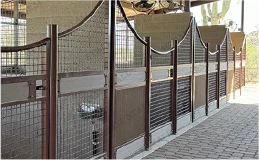
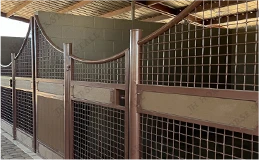
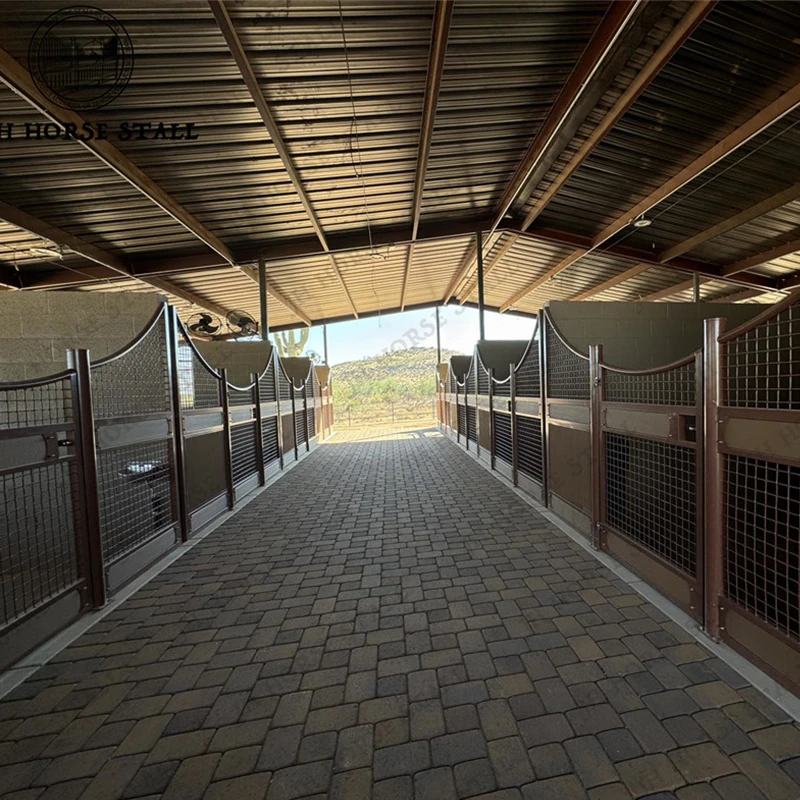
The cost of a horse stable is heavily influenced by the materials employed. Traditional construction utilizes timber, specifically pressure-treated softwoods like pine and Douglas fir, valued for their workability and cost-effectiveness. However, timber is susceptible to rot, insect infestation, and fire, requiring ongoing maintenance and potentially shortening the structure’s lifespan. Steel framing, particularly galvanized steel, offers superior strength, durability, and resistance to these issues, but typically carries a higher initial cost. Composite materials, such as engineered wood products (e.g., laminated veneer lumber - LVL) and plastic lumber, provide alternative solutions balancing cost and performance. Manufacturing processes vary. Timber frames are often assembled using mortise-and-tenon joinery or fastened with steel connectors. Steel frames utilize welding, bolting, and screw connections. Wall construction commonly involves wood cladding, metal siding, or concrete block, each impacting cost. Flooring materials range from packed earth and gravel to rubber mats, concrete, and specialized synthetic surfaces, each with differing installation requirements and lifespan. Key parameter control during manufacturing includes moisture content in timber, galvanization thickness in steel, and resin density in composite materials. Proper ventilation and drainage system installation are crucial and influence material selection and labor costs. Failure to control these parameters results in structural weaknesses and premature material degradation.
Performance & Engineering
Stable design must account for significant forces, including live loads from horses, wind loads, snow loads (depending on location), and seismic activity. Structural engineering calculations are paramount to ensure stability and prevent collapse. The force exerted by a horse leaning against a wall or kicking can be substantial, requiring robust wall construction and bracing. Environmental resistance is critical; the stable must withstand temperature fluctuations, precipitation, and UV radiation. Ventilation is a key performance factor, controlling humidity, ammonia levels, and dust. Poor ventilation leads to respiratory problems in horses and structural degradation of the building. Drainage systems are essential to prevent water accumulation and potential foundation issues. Compliance requirements vary by jurisdiction, often encompassing building codes related to structural integrity, fire safety, and accessibility. Specific requirements may also address stall size, flooring material, and waste management. Functional implementation dictates stall layout, aisle width, and access points, impacting space requirements and overall cost. Consideration must be given to horse behavior and safety, minimizing the risk of injury. Lighting levels, both natural and artificial, should be adequate for animal care and human operation. Proper stall design incorporates features to prevent horses from becoming entangled or injured.
Technical Specifications
| Parameter | Unit | Timber Frame | Steel Frame |
|---|---|---|---|
| Maximum Span | m | 12 | 20 |
| Wind Load Resistance | km/h | 160 | 200 |
| Snow Load Capacity | kg/m² | 150 | 250 |
| Fire Resistance Rating | hours | 1 | 2 |
| Material Cost/m² (Approx.) | USD | 80-150 | 150-250 |
| Estimated Lifespan | years | 20-30 | 50+ |
Failure Mode & Maintenance
Common failure modes in horse stables include timber rot and insect damage (leading to structural weakening), steel corrosion (particularly in coastal environments), foundation settlement (causing cracks and instability), and roofing leaks (resulting in water damage). Fatigue cracking can occur in steel connections subjected to repeated stress. Delamination of composite materials can reduce their structural integrity. Degradation of stall components (e.g., wood, rubber mats) due to horse activity and cleaning agents is also prevalent. Oxidation of metal hardware and fasteners leads to corrosion and potential failure. Regular maintenance is crucial to mitigate these risks. Timber structures require periodic inspection for rot and insect infestation, with treatment as needed. Steel structures require inspection for corrosion and repainting or recoating. Foundations should be monitored for settlement. Roofing systems require periodic inspection and repair. Stall components should be replaced as needed. Proper drainage maintenance prevents water damage. Implementing a preventative maintenance schedule based on material properties and environmental conditions significantly extends the stable's lifespan and minimizes costly repairs. Adherence to specified cleaning protocols for stall materials also prolongs their durability.
Industry FAQ
Q: What is the typical cost range per stall for a basic, functional horse stable?
A: A basic, functional stall, utilizing timber framing and standard materials, typically ranges from $2,500 to $5,000 USD per stall, excluding site preparation and installation. This figure can vary significantly based on stall size, internal partitioning, and location.
Q: How does choosing steel framing impact the long-term cost compared to timber?
A: While steel framing has a higher initial cost (approximately 30-50% more), its superior durability and reduced maintenance requirements typically result in lower long-term costs. Timber requires more frequent repairs and replacement, leading to increased lifetime expenses.
Q: What are the key factors influencing the cost of site preparation?
A: Site preparation costs are highly variable and depend on factors like land grading, drainage installation, utility connections (water, electricity), and foundation requirements. Rocky soil, sloping terrain, and the presence of groundwater significantly increase costs.
Q: What ventilation requirements are crucial for horse health and how do they affect cost?
A: Proper ventilation requires ridge vents, soffit vents, and potentially mechanical fans. Adequate ventilation is critical to remove ammonia and dust, preventing respiratory issues. Implementing effective ventilation systems adds approximately 5-10% to the overall construction cost.
Q: Are there specific building codes or regulations regarding horse stable construction that I should be aware of?
A: Yes, building codes vary by jurisdiction but generally address structural integrity, fire safety, and accessibility. Animal welfare regulations may also dictate stall size, flooring materials, and waste management practices. Compliance requires professional engineering design and permitting, adding to the project cost.
Conclusion
The cost of a horse stable is a multifaceted equation influenced by material selection, manufacturing techniques, engineering considerations, and regulatory compliance. Timber remains a cost-effective option for smaller, simpler structures, but steel offers superior long-term value due to its durability and lower maintenance. Careful consideration of site preparation, ventilation, and drainage is crucial for both structural integrity and animal welfare. A thorough understanding of these factors, coupled with professional engineering design and adherence to relevant building codes, is essential for achieving a cost-effective and sustainable equine facility.
Investing in quality materials and construction practices upfront minimizes long-term maintenance costs and ensures the safety and well-being of the horses. Prioritizing proper ventilation and drainage mitigates potential health issues and extends the structure's lifespan. The initial investment should be viewed in the context of the stable's projected lifespan and the associated maintenance expenses. Ultimately, a well-designed and constructed horse stable represents a valuable asset, providing a safe and comfortable environment for equine care.
-
Horse Stable Structural Integrity and Performance
-
small horse stable minecraft Structural Analysis
-
schleich horse stable Material Science and Manufacturing
-
rocking horse stables Material Science Manufacturing
-
pure gold horse stables Structural Analysis
-
Morningside Stables at Columbia Horse Center Material Performance
-
melissa doug horse stable Material Science
-
lego friends stable horse Performance Analysis
-
large toy horse stable Construction and Performance Analysis
-
Horses Stables Material Properties
-
Horses in the stable dance Air Quality and Ventilation Engineering
-
horses in a stable lyrics Data Storage Infrastructure Analysis
-
Horse Stables Hiring Near Me Structural Performance Analysis
-
Horse Stables Boarding Material Performance Analysis
-
horse stable toys Material Science and Manufacturing