



Apr . 01, 2024 17:55 Back to list
Horse Stable Construction how much is a stable for a horse Cost Analysis
Introduction
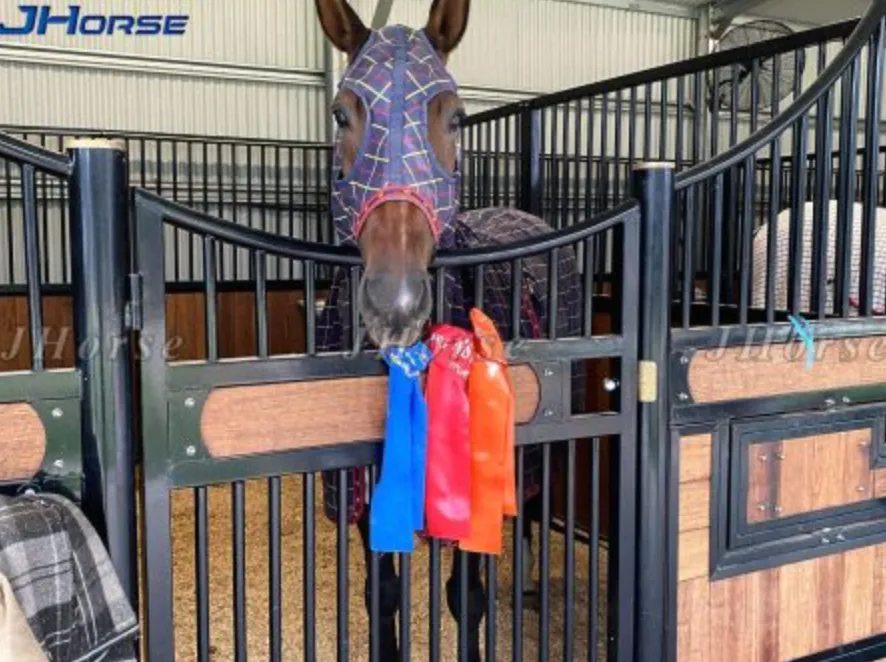
Equine stable construction and associated costs represent a significant investment for horse owners and agricultural operations. This technical guide details the factors influencing stable costs, extending beyond simple material expenses to encompass site preparation, structural engineering, material science considerations, and long-term maintenance. Stable construction isn't solely about shelter; it's about providing a safe, healthy, and structurally sound environment for a valuable animal asset. Costs are heavily dependent on size, materials (wood, metal, concrete), location-specific regulations, and desired amenities. Understanding the fundamental engineering principles involved, alongside potential failure modes and preventative maintenance, is crucial for maximizing the lifecycle value of this infrastructure. This guide addresses not just initial build costs, but also operational expenditures relating to durability and long-term integrity.
Material Science & Manufacturing
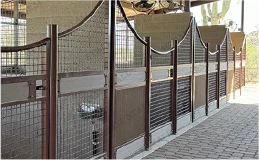
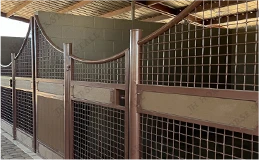
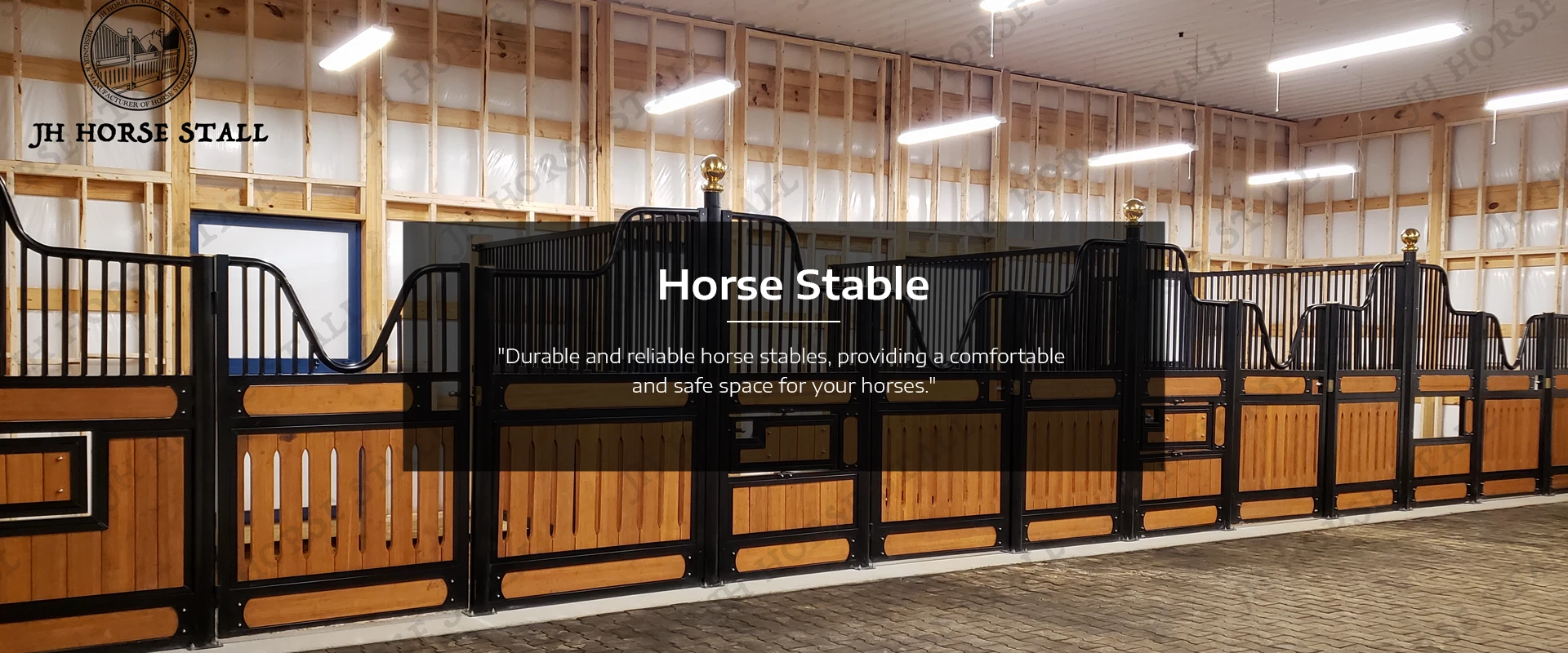
Stable construction commonly utilizes wood (pressure-treated pine, oak, cedar), steel (galvanized, stainless), and concrete. Wood, while aesthetically pleasing and relatively cost-effective initially, necessitates treatment to resist rot, fungal decay, and insect infestation. Pressure treatment involves impregnating the wood with preservatives like Alkaline Copper Quaternary (ACQ) or Copper Azole (CA), affecting long-term leach rates and environmental impact. Steel offers superior strength and durability, particularly in framing and roofing systems, but is susceptible to corrosion unless properly galvanized or coated. Galvanization is an electrochemical process applying a zinc coating, the effectiveness of which relies on coating thickness and potential for scratching. Concrete foundations provide stability and prevent ground moisture ingress. The compressive strength of concrete (measured in PSI) is critical, varying based on the aggregate used and curing process. Manufacturing processes involve precision cutting and joining. Wood relies on mortise-and-tenon, lap, and butt joints, secured with fasteners (nails, screws, bolts). Steel utilizes welding (SMAW, GMAW, FCAW), bolting, and riveting. The choice of welding process impacts weld strength and susceptibility to fatigue cracking. Proper ventilation is critical to prevent ammonia build-up from equine waste, requiring consideration of airflow dynamics and material permeability.
Performance & Engineering
Structural integrity is paramount. Stable design must account for live loads (the weight of the horse), dead loads (weight of the structure itself), wind loads, snow loads (depending on geographic location), and seismic loads (in earthquake-prone areas). Force analysis, utilizing principles of statics and dynamics, is essential to determine appropriate beam sizes, post spacing, and foundation depth. Wood framing members are subject to bending stress, shear stress, and compression. Steel structures benefit from higher tensile strength but require careful design to prevent buckling. Foundation design considers soil bearing capacity, drainage, and frost heave potential. Environmental resistance focuses on minimizing moisture intrusion and temperature fluctuations. Roofing materials (metal, asphalt shingles, wood shakes) have varying thermal resistance (R-value) and waterproofing capabilities. Proper insulation reduces energy costs and maintains a comfortable internal environment. Compliance requirements vary by jurisdiction, encompassing building codes, zoning regulations, and equine welfare standards. These regulations often dictate stall size, ventilation rates, and fire safety measures. Drainage systems are essential to manage manure and urine, preventing waterlogging and odor issues. The design must adhere to local waterway protection standards.
Technical Specifications
| Component | Material Option 1 (Wood) | Material Option 2 (Steel) | Material Option 3 (Concrete) | |
|---|---|---|---|---|
| Framing (per linear foot) | Pressure-treated Pine: $8 - $15 | Galvanized Steel (2”x4” equivalent): $12 - $20 | N/A – Primarily Foundation | N/A |
| Roofing (per square foot) | Asphalt Shingles: $3 - $5 | Galvanized Steel: $6 - $10 | Concrete: $4 - $7 (flat roof) | N/A |
| Siding (per square foot) | Wood Siding: $4 - $8 | Steel Siding: $5 - $9 | Concrete Block: $3 - $6 | N/A |
| Foundation (per square foot) | Gravel Base: $2 - $4 | Concrete Slab: $6 - $12 | Concrete Footings & Wall: $8 - $15 | N/A |
| Stall Walls (per linear foot) | Wood Planking: $10 - $20 | Steel Pickets: $15 - $25 | Concrete Block: $12 - $22 | N/A |
| Fasteners (per piece) | Galvanized Screws/Nails: $0.20 - $1.00 | Bolts/Welding Rod: $0.50 - $2.00 | Anchor Bolts: $1.00 - $3.00 | N/A |
Failure Mode & Maintenance
Common failure modes in stable construction include wood rot and insect damage (leading to structural weakening), steel corrosion (reducing load-bearing capacity), concrete cracking (due to freeze-thaw cycles or improper curing), and foundation settlement (resulting in structural instability). Wood rot is exacerbated by moisture and inadequate ventilation. Insect infestations (termites, carpenter ants) can compromise structural integrity rapidly. Steel corrosion is accelerated by exposure to salt spray or acidic environments. Concrete cracking can allow water ingress, leading to further deterioration. Preventative maintenance involves regular inspections for signs of damage, prompt repair of cracks and corrosion, and periodic reapplication of wood preservatives. Roofing materials should be inspected for leaks and replaced as needed. Drainage systems should be cleared of debris to ensure proper functionality. Foundations should be monitored for settlement. Proper stall cleaning and manure management reduce moisture levels and minimize the risk of wood rot and insect infestation. Periodic steel structure inspections with non-destructive testing (NDT) methods, such as ultrasonic testing, can identify hidden corrosion.
Industry FAQ
Q: What is the lifespan expectancy of a wood-framed stable versus a steel-framed stable, assuming comparable maintenance schedules?
A: A well-maintained wood-framed stable typically has a lifespan of 20-30 years. A steel-framed stable, with proper corrosion protection, can realistically exceed 50 years. While wood is initially more affordable, the longer lifespan of steel often translates to lower lifecycle costs, factoring in eventual replacement expenses.
Q: How does the choice of foundation material impact long-term stability, especially in regions with significant frost heave?
A: Concrete foundations, when properly engineered with adequate depth and frost protection (insulation or wider footings), provide the most stable base in areas prone to frost heave. Gravel bases are less expensive but are more susceptible to shifting and settling due to freeze-thaw cycles, potentially compromising the structural integrity of the stable.
Q: What are the key considerations for ventilation to mitigate ammonia build-up and maintain air quality within the stable?
A: Ventilation systems should aim for a minimum of 8-12 air changes per hour. Natural ventilation (e.g., ridge vents, sidewall openings) can be effective, but mechanical ventilation (fans) may be necessary in enclosed spaces. Roof overhangs and strategically placed vents should prevent direct drafts onto the horses. Materials used for internal walls should be permeable enough to allow some moisture vapor transmission.
Q: What is the typical cost differential for incorporating fire-resistant materials into stable construction?
A: Incorporating fire-resistant materials like metal roofing, concrete block walls, and fire-retardant wood treatments can increase initial construction costs by 10-20%. However, this investment can significantly reduce insurance premiums and potentially prevent catastrophic losses in the event of a fire.
Q: What level of drainage is required to effectively manage manure and urine runoff, and what environmental regulations should be considered?
A: Effective drainage requires a sloped floor with a collection system leading to a manure storage area. Regulations vary by location, but typically address the prevention of groundwater contamination. Impermeable flooring and properly designed manure storage facilities are essential. Local environmental agencies often require permits for manure management plans.
Conclusion
The construction of a horse stable represents a complex engineering challenge requiring careful consideration of material science, structural integrity, and long-term maintenance. The initial cost is heavily influenced by material selection, with wood offering initial affordability but potentially higher lifecycle costs due to shorter lifespan and greater maintenance requirements. Steel and concrete provide superior durability but at a higher upfront investment. Adherence to building codes, zoning regulations, and equine welfare standards is crucial. A comprehensive understanding of potential failure modes and proactive preventative maintenance are paramount to maximizing the lifespan and ensuring the safety of the structure and the animals it shelters.
Future advancements in stable construction may involve the integration of sustainable materials, such as recycled plastics and bamboo, alongside smart technologies for environmental monitoring and automated waste management. Further research into corrosion-resistant alloys and advanced wood preservatives will contribute to increased durability and reduced maintenance costs. Ultimately, a well-designed and meticulously maintained stable represents a significant investment in the health, safety, and well-being of equine assets.
-
Horse Stable Structural Integrity and Performance
-
small horse stable minecraft Structural Analysis
-
schleich horse stable Material Science and Manufacturing
-
rocking horse stables Material Science Manufacturing
-
pure gold horse stables Structural Analysis
-
Morningside Stables at Columbia Horse Center Material Performance
-
melissa doug horse stable Material Science
-
lego friends stable horse Performance Analysis
-
large toy horse stable Construction and Performance Analysis
-
Horses Stables Material Properties
-
Horses in the stable dance Air Quality and Ventilation Engineering
-
horses in a stable lyrics Data Storage Infrastructure Analysis
-
Horse Stables Hiring Near Me Structural Performance Analysis
-
Horse Stables Boarding Material Performance Analysis
-
horse stable toys Material Science and Manufacturing