



Apr . 01, 2024 17:55 Back to list
Horse Stable Construction how much is it to build a horse stable Performance Analysis
Introduction
Horse stable construction represents a significant capital investment for equestrian facilities, with costs varying widely based on size, materials, and level of customization. This guide provides a comprehensive technical overview of the factors influencing stable building costs, encompassing material science, engineering considerations, performance specifications, potential failure modes, and relevant industry standards. The modern horse stable is no longer solely a shelter; it must provide ventilation, structural integrity to withstand significant live loads, appropriate drainage, and fire resistance. Understanding these elements is crucial for accurate budgeting and ensuring a durable, safe environment for equine inhabitants. This analysis considers single-stall, multi-stall, and barn configurations, with a focus on permanent structures rather than temporary or portable options. The inherent challenges lie in balancing initial construction costs with long-term maintenance, animal welfare, and compliance with local building codes and equestrian industry best practices.
Material Science & Manufacturing
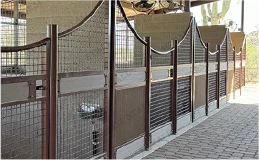
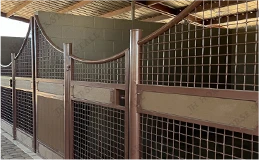
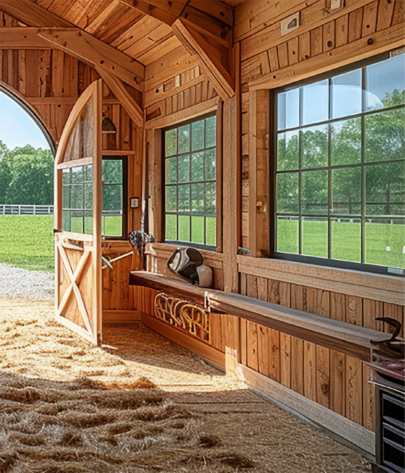
The primary materials employed in horse stable construction dictate both cost and longevity. Wood, particularly pressure-treated lumber (typically Southern Yellow Pine treated with chromated copper arsenate or alkaline copper quaternary), remains a prevalent structural component due to its workability and relative affordability. However, its susceptibility to rot, insect infestation, and fire necessitates ongoing maintenance. Steel, in the form of structural steel framing and corrugated metal roofing, offers superior strength and durability but presents a higher initial cost and requires specialized fabrication and installation techniques. Concrete foundations are standard, utilizing reinforced concrete with compressive strengths typically ranging from 3000 to 4000 psi. Stall walls commonly utilize wood planks, steel panels, or a combination thereof. Rubber stall mats, composed of recycled tire material or vulcanized rubber, are crucial for impact absorption and equine comfort, influencing flooring costs significantly. Manufacturing processes include lumber milling, steel fabrication (welding, bolting), concrete pouring and curing, and metal forming (rolling, stamping). Key parameter control during construction includes ensuring proper lumber moisture content (below 19%), accurate weld penetration in steel structures, and appropriate concrete curing times to achieve specified compressive strength. The chemical compatibility of wood treatments with stall flooring materials (e.g., rubber) must also be considered to avoid degradation and off-gassing.

Performance & Engineering
Horse stables must withstand substantial loads, including the weight of the structure itself (dead load) and the dynamic loads imposed by horses moving within the stalls. A mature horse typically weighs between 900 and 2000 pounds, exerting significant force during activity. Engineering calculations must account for these live loads, ensuring adequate structural support to prevent collapse. Wind loads, determined by local building codes and geographic location, are also critical, particularly for roof structures. Drainage is paramount to prevent moisture buildup and the development of fungal growth. Stable designs incorporate sloped roofs and properly graded surrounding land to direct water away from the structure. Ventilation is essential to maintain air quality, removing ammonia and dust generated by horses. Natural ventilation, through strategically placed windows and doors, is often supplemented by mechanical ventilation systems. Fire resistance is a major concern. Material selection and construction techniques must comply with local fire codes, minimizing the risk of fire spread. For example, using fire-retardant wood treatments and incorporating firebreaks within the structure. Compliance requirements include adherence to local building codes, zoning regulations, and potentially agricultural building standards. Force analysis, utilizing principles of statics and dynamics, is fundamental to ensuring structural integrity.
Technical Specifications
| Parameter | Unit | Typical Value (Single Stall) | Typical Value (Multi-Stall Barn) |
|---|---|---|---|
| Stall Dimensions (Length x Width) | ft | 12 x 12 | 12 x 12 (per stall) |
| Wall Height | ft | 8 | 8 |
| Roof Load Capacity (Snow) | psf | 30-60 (regional variation) | 30-60 (regional variation) |
| Wind Load Resistance | mph | 90-120 (regional variation) | 90-120 (regional variation) |
| Lumber Grade (Structural) | - | #2 Southern Yellow Pine (treated) | #2 Southern Yellow Pine (treated) |
| Concrete Foundation Thickness | in | 4-6 | 6-8 |
Failure Mode & Maintenance
Common failure modes in horse stable construction include wood rot (caused by fungal decay), corrosion of steel components (due to exposure to moisture and salts), concrete cracking (resulting from freeze-thaw cycles or improper curing), and stall wall failure (from repeated impact by horses). Fatigue cracking in steel welds is also a concern, particularly in areas subjected to high stress. Delamination of wood planks can occur due to moisture infiltration and inadequate protection. Oxidation of metal roofing can reduce its lifespan and protective properties. Regular maintenance is crucial to mitigate these risks. This includes periodic inspections for wood rot and corrosion, re-treatment of wood surfaces, tightening of bolts and fasteners, and repair of concrete cracks. Stall mats should be inspected for wear and tear and replaced as needed. Proper drainage and ventilation are essential to prevent moisture buildup and reduce the risk of fungal growth. Annual inspections by a qualified structural engineer are recommended to identify potential structural weaknesses before they lead to catastrophic failure. Prompt addressing of minor issues can prevent them from escalating into major repairs.
Industry FAQ
Q: What is the typical lifespan of a wood-framed horse stable?
A: A properly maintained wood-framed stable can last 20-30 years. However, this is heavily dependent on the quality of the wood, the effectiveness of the wood treatment, and the consistency of maintenance. Regular inspections and re-treatment are essential to extend its lifespan.
Q: How does the cost of a steel-framed stable compare to a wood-framed stable?
A: Initial costs for a steel-framed stable are typically 20-30% higher than for a comparable wood-framed structure. However, the lower maintenance requirements and greater durability of steel can result in lower lifecycle costs over the long term.
Q: What are the critical considerations for stable ventilation?
A: Adequate ventilation is crucial for removing ammonia, dust, and moisture. Natural ventilation (windows and doors) is a good starting point, but mechanical ventilation may be necessary in areas with poor airflow. Ventilation systems should be designed to provide sufficient air exchange without creating drafts.
Q: What type of foundation is best suited for a horse stable?
A: A reinforced concrete foundation is generally the most suitable option, providing a stable and durable base for the structure. The foundation depth and dimensions will depend on soil conditions and local building codes.
Q: What fire safety measures are recommended for horse stables?
A: Fire-retardant wood treatments, firebreaks within the structure, readily accessible fire extinguishers, and clear emergency evacuation plans are all crucial fire safety measures. Compliance with local fire codes is mandatory.
Conclusion
The construction of a horse stable necessitates a detailed understanding of material properties, structural engineering principles, and industry best practices. Cost estimation requires a thorough assessment of site conditions, desired features, and long-term maintenance considerations. Selecting appropriate materials – wood, steel, and concrete – based on durability, cost, and environmental factors is paramount. Failure to adequately address structural integrity, ventilation, and fire safety can lead to costly repairs and, more importantly, compromise the well-being of the animals housed within.
Future trends in stable construction include the increased use of sustainable materials, such as recycled plastic lumber and engineered wood products, and the adoption of advanced ventilation systems to improve air quality and reduce energy consumption. Proactive maintenance planning and regular structural inspections are essential for maximizing the lifespan of the stable and minimizing long-term costs. A well-designed and properly maintained horse stable is a significant investment in equine health and welfare.
-
barbie horse and stable Material Performance Analysis
-
toy horse stables Material Performance Analysis
-
Swan Lake Stables Horse Shows Material Science and Engineering
-
star stable horse names Technical Analysis
-
star stable app horses Technical Analysis
-
Horse Stable Structural Integrity and Performance
-
small horse stable minecraft Structural Analysis
-
schleich horse stable Material Science and Manufacturing
-
rocking horse stables Material Science Manufacturing
-
pure gold horse stables Structural Analysis
-
Morningside Stables at Columbia Horse Center Material Performance
-
melissa doug horse stable Material Science
-
lego friends stable horse Performance Analysis
-
large toy horse stable Construction and Performance Analysis
-
Horses Stables Material Properties