



Apr . 01, 2024 17:55 Back to list
Horse Stable Construction how much to build a horse stable

Introduction
Horse stable construction represents a significant investment for equine facilities, requiring careful consideration of materials, labor, and long-term durability. This guide details the comprehensive factors influencing the cost of building a horse stable, encompassing structural engineering, material science, construction methodologies, and anticipated maintenance. The scope extends beyond basic shelter to include considerations for ventilation, drainage, stall construction, and compliance with animal welfare standards. Cost estimations are presented acknowledging regional variations in labor and material pricing, and a detailed breakdown is provided to allow for accurate budgeting. The current industry challenges include fluctuating lumber prices, skilled labor shortages, and increasing demands for bio-secure and environmentally sustainable building practices. Understanding these facets is crucial for informed decision-making and achieving a cost-effective, safe, and functional equine housing solution.
Material Science & Manufacturing
The primary materials utilized in horse stable construction dictate both cost and longevity. Wood, specifically pressure-treated lumber (typically Southern Yellow Pine or Douglas Fir) remains prevalent for framing and stall construction due to its cost-effectiveness and workability. However, its susceptibility to rot, insect infestation, and fire necessitates ongoing maintenance. Steel framing offers superior strength and durability, mitigating biological degradation and providing increased fire resistance, though at a higher initial cost. Concrete is essential for foundations and flooring, with specifications varying based on soil conditions and anticipated load. Concrete mix design must account for freeze-thaw cycles in colder climates to prevent cracking and spalling. Roofing materials range from asphalt shingles (lower cost, limited lifespan) to metal roofing (higher cost, extended lifespan, better fire resistance) and wood shakes (aesthetic appeal, high maintenance). Stall components commonly employ hardwoods like oak or maple for stall walls and doors, chosen for their impact resistance and durability. Manufacturing processes for lumber involve kiln drying to reduce moisture content and improve dimensional stability. Steel components are typically manufactured via welding and bolting, requiring precise fabrication to ensure structural integrity. Concrete is manufactured through a precise mixing ratio of cement, aggregate (sand and gravel), and water, followed by curing to achieve desired strength. Material compatibility is critical; for example, direct contact between dissimilar metals can lead to galvanic corrosion. The use of corrosion inhibitors in concrete formulations is essential in coastal environments or where significant moisture is present.
Performance & Engineering
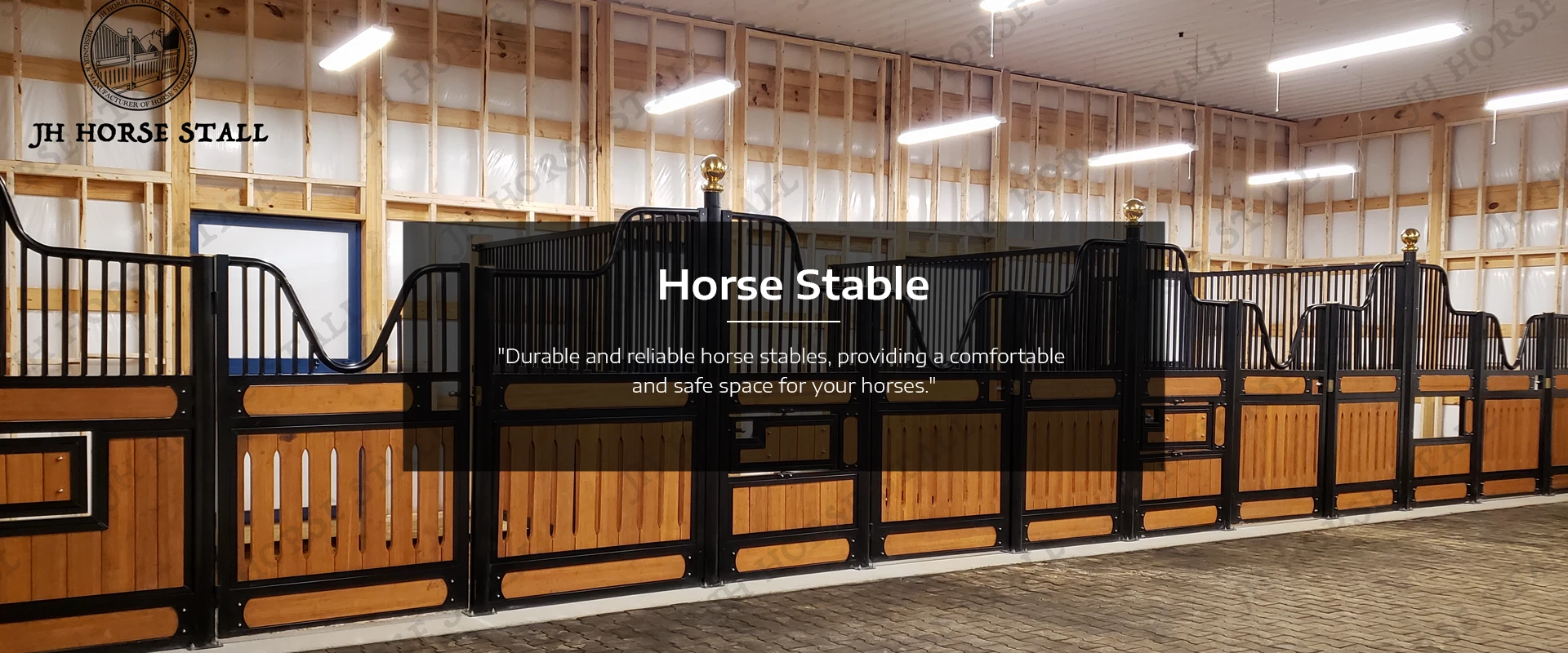
Stable design must prioritize structural integrity to withstand dynamic loads imposed by horses, wind, and snow. Force analysis dictates the required size and spacing of framing members, foundation depth, and roofing support structures. Wind loading is particularly critical in exposed locations, necessitating engineering calculations to determine appropriate bracing and shear wall placement. Drainage is paramount to prevent moisture buildup, which can lead to structural decay and respiratory issues in horses. Slope grading, gutter systems, and permeable footing materials are essential components. Ventilation is crucial for maintaining air quality and reducing ammonia levels generated by equine waste. Natural ventilation through strategically placed windows and vents is preferred, supplemented by mechanical ventilation in larger barns. Stall construction must adhere to safety standards, preventing horses from injuring themselves on sharp edges or becoming trapped. Door openings should be sufficiently wide to allow safe entry and exit, and stall walls should be robust enough to withstand leaning and kicking. Compliance with local building codes and animal welfare regulations is non-negotiable. This includes requirements for stall size, access to water, and fire safety measures. The thermal performance of the stable must be considered, particularly in extreme climates, to ensure horses remain comfortable and healthy. Insulation materials and roof ventilation techniques can mitigate heat buildup in summer and heat loss in winter. Furthermore, biosecurity considerations, such as easily sanitized surfaces and controlled access, are increasingly important in preventing the spread of infectious diseases.
Technical Specifications
| Component | Material Options | Typical Dimensions/Specifications | Estimated Cost Range (USD) |
|---|---|---|---|
| Foundation | Reinforced Concrete | 4” – 6” thick concrete slab, footing depth varies (24” – 48”+) based on frost line and soil bearing capacity | $8 - $15 per sq ft |
| Framing | Pressure-Treated Lumber, Steel | 2x6, 2x8, or 2x10 lumber; Steel gauge varies (16-12 gauge) | $5 - $12 per sq ft (lumber); $10 - $20 per sq ft (steel) |
| Roofing | Asphalt Shingles, Metal Roofing, Wood Shakes | Shingle lifespan 20-30 years; Metal lifespan 50+ years; Wood lifespan 15-25 years. | $4 - $8 per sq ft (shingles); $8 - $15 per sq ft (metal); $6 - $10 per sq ft (wood) |
| Stall Walls | Hardwood, Steel, Masonry | Typically 8’ – 12’ long, 4’ – 6’ high, 4" thick | $500 - $1500 per stall (hardwood); $700 - $2000 per stall (steel); $400 - $1000 per stall (masonry) |
| Stall Doors | Hardwood, Steel | Typically 4’ wide, 8’ high | $300 - $800 per door (hardwood); $500 - $1200 per door (steel) |
| Flooring | Concrete, Rubber Mats, Packed Stone Dust | Concrete: 4” thick slab; Rubber mats: 4’ x 6’ or rolled; Stone dust: 4”-6” compacted | $6 - $10 per sq ft (concrete); $8 - $15 per sq ft (rubber); $3 - $6 per sq ft (stone dust) |
Failure Mode & Maintenance
Common failure modes in horse stable construction include wood rot, insect damage (termites, carpenter ants), corrosion of metal components, concrete cracking, and roof leaks. Wood rot typically occurs in areas exposed to moisture, such as stall walls, roof supports, and foundation timbers. Preventative measures include pressure treating lumber, applying wood preservatives, and ensuring adequate ventilation. Insect damage can be mitigated through soil treatment and regular inspections. Corrosion of steel components is accelerated by exposure to salt air or corrosive chemicals; protective coatings and corrosion inhibitors are essential. Concrete cracking can result from freeze-thaw cycles, excessive loads, or improper curing. Expansion joints and appropriate concrete mix design can minimize cracking. Roof leaks often stem from damaged shingles, flashing failures, or clogged gutters. Regular roof inspections and prompt repairs are critical. Maintenance protocols should include annual inspections of all structural components, periodic application of wood preservatives, replacement of damaged roofing materials, and cleaning of gutters and drains. Stall components should be inspected for broken boards, loose hardware, and sharp edges. Concrete floors should be sealed to prevent dust and moisture penetration. Proactive maintenance significantly extends the lifespan of the stable and reduces the risk of costly repairs or safety hazards.
Industry FAQ
Q: What is the typical lifespan of a wood-framed horse stable?
A: The lifespan of a wood-framed stable is highly variable, dependent on climate, maintenance practices, and the quality of materials used. With regular preventative maintenance – including annual inspections, wood preservative applications, and prompt repair of damage – a well-constructed wood-framed stable can reasonably last 20-30 years. However, without adequate maintenance, it may deteriorate significantly within 10-15 years.
Q: Is steel framing a worthwhile investment compared to lumber?
A: Steel framing offers significant long-term benefits, primarily increased durability, fire resistance, and reduced maintenance. While the initial cost is higher (typically 20-50% more than lumber), the elimination of rot and insect damage, coupled with a lifespan exceeding 50 years, often makes it a more cost-effective solution over the long run, particularly in regions with harsh climates or high termite activity.
Q: What are the key considerations for stable flooring to minimize horse injury and facilitate cleaning?
A: Flooring selection is critical for equine health and safety. Concrete provides a durable, easy-to-clean surface but can be hard and unforgiving. Rubber mats, installed over concrete, offer cushioning and traction, reducing the risk of slips and injuries. Packed stone dust provides good drainage and cushioning but requires regular maintenance to maintain a level surface. A combination of concrete and rubber mats is often the optimal solution.
Q: How important is ventilation in horse stable design?
A: Ventilation is paramount for maintaining air quality and preventing respiratory problems in horses. Horses produce significant amounts of ammonia from urine and manure, which can irritate the respiratory system. Proper ventilation removes ammonia, dust, and other airborne contaminants, reducing the risk of respiratory infections. Natural ventilation, supplemented by mechanical fans in larger barns, is the preferred approach.
Q: What building permits and inspections are typically required for horse stable construction?
A: Building permit requirements vary significantly by location. Generally, a building permit is required for any new construction or significant renovation, including horse stables. Inspections typically include foundation inspections, framing inspections, electrical inspections, and plumbing inspections. Compliance with local zoning regulations, building codes, and animal welfare standards is essential.
Conclusion
Constructing a horse stable involves a complex interplay of material science, structural engineering, and cost management. A comprehensive understanding of these factors is crucial for achieving a durable, safe, and functional facility. The initial investment is significantly influenced by material selection, with wood offering lower upfront costs but requiring more ongoing maintenance, while steel provides greater longevity and reduced long-term expenses. Prioritizing proper drainage, ventilation, and stall construction is essential for equine health and welfare. Thorough planning, adherence to building codes, and proactive maintenance protocols are paramount for maximizing the lifespan and minimizing the total cost of ownership.
Future trends in horse stable construction are likely to focus on sustainable materials, energy efficiency, and biosecurity measures. The integration of smart technology, such as automated ventilation systems and environmental monitoring sensors, can further enhance operational efficiency and equine comfort. Furthermore, the demand for customizable stable designs that cater to specific equine needs and owner preferences is expected to continue to grow. By embracing these advancements and prioritizing long-term value, horse owners can create facilities that provide a safe, healthy, and enriching environment for their animals.
-
barbie horse and stable Material Performance Analysis
-
toy horse stables Material Performance Analysis
-
Swan Lake Stables Horse Shows Material Science and Engineering
-
star stable horse names Technical Analysis
-
star stable app horses Technical Analysis
-
Horse Stable Structural Integrity and Performance
-
small horse stable minecraft Structural Analysis
-
schleich horse stable Material Science and Manufacturing
-
rocking horse stables Material Science Manufacturing
-
pure gold horse stables Structural Analysis
-
Morningside Stables at Columbia Horse Center Material Performance
-
melissa doug horse stable Material Science
-
lego friends stable horse Performance Analysis
-
large toy horse stable Construction and Performance Analysis
-
Horses Stables Material Properties