



Apr . 01, 2024 17:55 Back to list
Horse Stable does a horse need a stable Construction Performance Analysis

Introduction
The question of whether a horse needs a stable is complex, extending beyond simple shelter. Historically, stables were essential for protection from predators and the elements, providing a secure base for working equids. Modern equine management, however, increasingly prioritizes alternative housing options such as field shelters and natural grazing systems. This guide examines the physiological and behavioral considerations determining whether a stable is a necessity, a benefit, or potentially detrimental to a horse’s wellbeing. We will delve into the impact of stable confinement on respiratory health, musculoskeletal development, and psychological state, comparing these factors to those experienced in more natural environments. The performance position within the equine industry chain centers on optimizing health and longevity, and stable design and management are key contributing factors. Core performance is defined by physical soundness, reproductive success, and the ability to perform intended work, all of which can be influenced by housing choices.
Material Science & Manufacturing
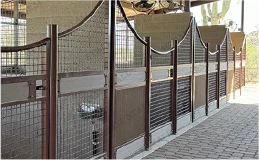
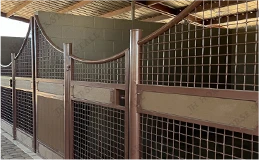
Stable construction utilizes a range of materials, each with specific physical and chemical properties impacting horse health and safety. Traditional timber construction relies on species like oak, chestnut, and pine, chosen for strength and durability. Timber’s inherent porosity requires regular treatment with preservatives to prevent fungal decay and insect infestation, impacting air quality within the stable. Modern stables incorporate steel and aluminum for framing, offering higher tensile strength and reduced maintenance but presenting potential corrosion concerns. Flooring materials range from compacted clay to rubber matting and concrete. Clay requires diligent management to prevent ammonia buildup and compaction, leading to musculoskeletal issues. Rubber matting offers cushioning and improved hygiene but can harbor bacteria if not properly cleaned. Concrete, while durable, is hard and unforgiving, necessitating substantial bedding. Bedding materials, such as straw, wood shavings, and peat moss, contribute significantly to air quality and ammonia levels. Straw, a common choice, decomposes readily, generating heat and releasing ammonia. Wood shavings offer better absorption but can be dusty. The manufacturing processes involve precision cutting, welding (for metal structures), and assembly. Key parameters include wood moisture content (below 20% to prevent warping), weld integrity (ensuring full penetration welds for steel frames), and the density and particle size of bedding materials. Chemical compatibility is crucial; for example, certain wood preservatives can be toxic to horses if ingested.
Performance & Engineering
Stable design impacts equine biomechanics and respiratory function. Force analysis reveals that confinement limits natural movement, potentially leading to muscle atrophy and joint stiffness. A horse’s natural gait requires significant space for maneuverability. Confinement restricts this, increasing the risk of repetitive strain injuries. Environmental resistance considerations include wind load, snow load, and thermal insulation. Stable roofs must withstand local weather conditions to prevent collapse. Insulation materials minimize temperature fluctuations, reducing energy requirements for heating and cooling. Compliance requirements vary by jurisdiction but often address fire safety (fire-resistant materials, adequate ventilation), structural integrity (building codes), and animal welfare (minimum space allowances). Functional implementation centers on providing adequate ventilation to remove ammonia and dust, sufficient space for comfortable movement and resting, and safe construction materials that minimize the risk of injury. The stall’s height, width, and depth must accommodate the horse’s size and conformation. Consideration must be given to drainage to prevent moisture buildup and the development of harmful bacteria. Ventilation rates should adhere to established guidelines, ensuring air changes per hour sufficient to maintain acceptable air quality parameters.
Technical Specifications
| Stall Dimensions (Width x Depth x Height) | Ventilation Rate (Air Changes/Hour) | Bedding Material Absorption Rate (g water/g material) | Timber Moisture Content (%) |
|---|---|---|---|
| 12ft x 12ft x 8ft (3.66m x 3.66m x 2.44m) | 6-10 | Straw: 250-350, Wood Shavings: 400-500 | <18 |
| 10ft x 12ft x 8ft (3.05m x 3.66m x 2.44m) | 4-8 | Peat Moss: 600-800 | <20 |
| 14ft x 14ft x 9ft (4.27m x 4.27m x 2.74m) | 8-12 | Rubber Matting: N/A (impermeable) | N/A |
| 10ft x 10ft x 7.5ft (3.05m x 3.05m x 2.29m) | 4-6 | Hemp Bedding: 300-400 | <15 |
| 11ft x 11ft x 8ft (3.35m x 3.35m x 2.44m) | 6-8 | Flax Bedding: 500-600 | <17 |
| 12ft x 14ft x 8.5ft (3.66m x 4.27m x 2.59m) | 7-10 | Paper Bedding: 450-550 | <19 |
Failure Mode & Maintenance
Stable structures are subject to various failure modes. Timber structures can experience rot and decay, particularly in areas exposed to moisture. This leads to structural weakening and potential collapse. Steel structures are susceptible to corrosion, especially in coastal environments or where exposed to ammonia-rich atmospheres. Corrosion reduces load-bearing capacity and can lead to structural failure. Bedding materials can degrade, leading to ammonia buildup, increased humidity, and potential respiratory problems for horses. Rubber matting can delaminate or crack, creating harboring grounds for bacteria. Failure analysis reveals that inadequate ventilation is a primary contributor to moisture and ammonia buildup. Poor stall design, such as sharp edges or protruding nails, can cause injuries. Maintenance solutions include regular timber treatment with preservatives, corrosion protection for steel structures (painting, galvanizing), diligent bedding management (daily removal of soiled bedding), regular cleaning and disinfection of rubber matting, and prompt repair of any structural damage. Routine inspections are essential to identify and address potential failure points before they escalate into serious problems. Preventative maintenance, such as tightening loose bolts and repairing minor damage, can significantly extend the lifespan of the stable structure and ensure horse safety.
Industry FAQ
Q: What are the primary respiratory risks associated with prolonged stable confinement?
A: Prolonged stable confinement increases exposure to dust, mold spores, and ammonia, all of which are respiratory irritants. This can exacerbate existing respiratory conditions such as recurrent airway obstruction (RAO) and lead to the development of new problems. Insufficient ventilation is the key contributing factor, allowing these irritants to accumulate.
Q: How does stall size impact a horse’s musculoskeletal health?
A: Insufficient stall size restricts natural movement, leading to muscle atrophy, joint stiffness, and increased risk of injuries, particularly those related to pressure sores and compromised circulation. Horses require adequate space to lie down comfortably, stand without hitting stall walls, and turn around without difficulty.
Q: What bedding materials are most conducive to good respiratory health?
A: Low-dust bedding materials are preferable. Wood shavings that have been screened to remove dust, hemp bedding, and paper bedding are generally considered better options than straw, which can produce more dust and mold. Regular bedding changes are crucial regardless of the material used.
Q: What ventilation strategies are most effective in minimizing ammonia levels?
A: A combination of natural and mechanical ventilation is ideal. Natural ventilation relies on airflow through windows and doors, while mechanical ventilation uses fans to actively exchange air. Roof vents and ridge vents can facilitate natural airflow, removing warm, moist air. Fans should be positioned to circulate air without creating drafts directly on the horses.
Q: What are the key safety considerations when choosing stable building materials?
A: Materials should be non-toxic and free from sharp edges or protrusions. Wood should be treated with horse-safe preservatives. Metal structures should be properly grounded to prevent electrical hazards. Fire-resistant materials are recommended, and adequate fire exits should be provided.
Conclusion
Determining whether a horse needs a stable is not a simple binary decision. While historically essential, modern equine management recognizes the benefits of maximizing turnout and providing natural environments. Stables, when employed, represent complex engineered systems requiring careful consideration of material science, ventilation, and biomechanics. Proper construction, diligent maintenance, and proactive management are critical to mitigating the inherent risks of confinement and maximizing equine wellbeing.
Ultimately, the ideal housing solution is individualized, dependent on the horse’s age, breed, health status, and intended use. Prioritizing airflow, minimizing confinement stress, and providing opportunities for natural behavior are paramount, regardless of whether a stable is a necessary or optional component of the overall management plan. The trend toward pasture-based systems underscores the growing recognition of the profound impact of environment on equine health and performance.
-
horses in the stable song Material Science and Manufacturing
-
horse stable in minecraft Performance and Engineering
-
Horse in a stable Structural Engineering and Performance Analysis
-
boarding stables for horses Material Science and Manufacturing
-
Pasture Turnout will pasturing horses reduce stable vices Performance Analysis
-
toy horse stable Material Science and Manufacturing
-
our generation horse stable Material Science Manufacturing
-
stardew horse stable Performance Analysis
-
Stable horse Structural Performance Analysis
-
horses in the stable lyrics Data Integrity Analysis
-
horse riding stables Material Science and Manufacturing
-
Horse in stable Structural Engineering
-
horse boarding stable Performance Engineering
-
horse and stable toy Material Science
-
barbie horse stable Material Performance Analysis