



Apr . 01, 2024 17:55 Back to list
Horse Stable how much is a horse stable Performance Analysis

Introduction
Horse stable construction and associated costs represent a significant capital expenditure for equine facilities. The price of a horse stable is not a singular figure; it’s a complex calculation based on size, materials, location, and level of customization. This guide provides a detailed examination of the factors influencing stable costs, from raw material sourcing and manufacturing processes to performance engineering, potential failure modes, and relevant industry standards. The market is categorized by stall type (box stalls, loose boxes, foaling stalls), construction method (prefabricated, kit-built, custom-built), and materials (wood, metal, composite materials). Understanding these parameters is critical for informed procurement decisions, minimizing lifecycle costs, and ensuring the long-term structural integrity and animal welfare within the facility. The industry faces challenges related to fluctuating lumber prices, supply chain disruptions, and increasingly stringent building codes focused on fire safety and ventilation.
Material Science & Manufacturing
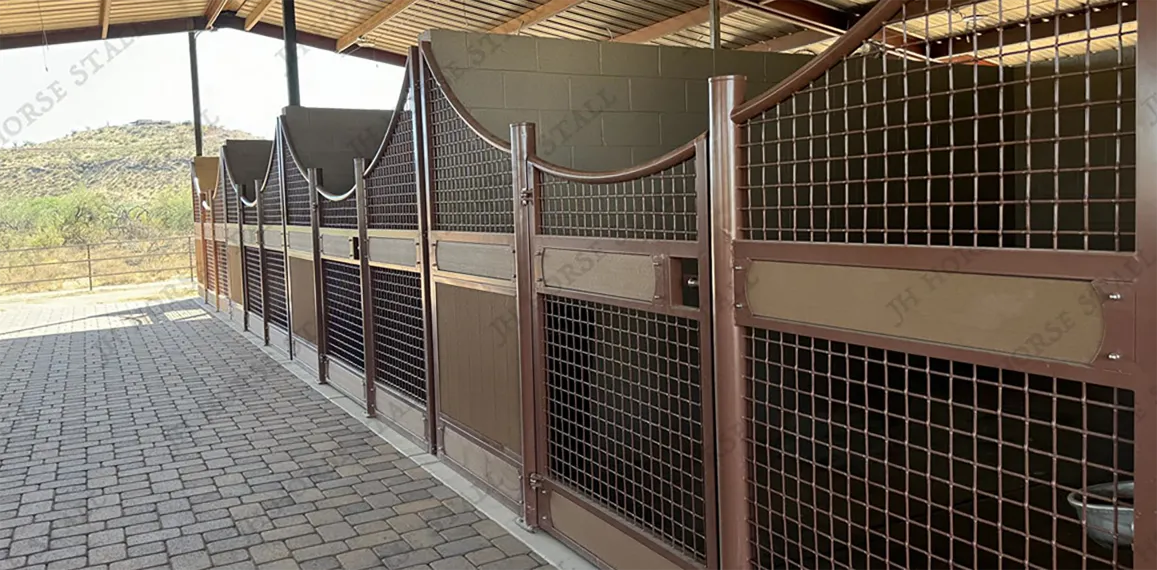
The primary materials in horse stable construction are wood (typically pressure-treated pine, oak, or hardwood), steel (for framing, stall guards, and roofing), concrete (for foundations and flooring), and composite materials (for stall walls and doors). Wood’s tensile strength and compressive strength are critical considerations; pressure treatment with chromated copper arsenate (CCA) or alternative preservatives like alkaline copper quaternary (ACQ) are employed to resist fungal decay and insect infestation, though regulatory restrictions on CCA are increasing. Steel, predominantly ASTM A36 grade, provides structural support and is selected based on yield strength and corrosion resistance, often requiring galvanization or powder coating. Concrete mix design (cement type, aggregate size, water-to-cement ratio) impacts compressive strength and durability, influencing foundation longevity. Manufacturing processes vary. Wooden stalls are typically constructed using mortise-and-tenon joinery, bolted connections, or screw fasteners. Steel framing utilizes welding (SMAW, GMAW) and bolted connections. Prefabricated stalls employ CNC machining for precise cuts and assembly. Parameter control during manufacturing includes dimensional accuracy, weld quality (penetration, porosity), and wood moisture content (optimizing for dimensional stability). The choice of fasteners – galvanized steel, stainless steel – dictates corrosion resistance and long-term structural integrity. Material compatibility is paramount, preventing galvanic corrosion between dissimilar metals.
Performance & Engineering
Stable performance is evaluated based on structural load capacity, wind resistance, fire resistance, ventilation effectiveness, and animal safety. Force analysis involves calculating dead loads (weight of materials) and live loads (weight of horses and occupants) to ensure structural stability under various conditions. Wind load calculations, based on local building codes (ASCE 7), determine required bracing and anchoring. Fire resistance is critical, necessitating the use of fire-retardant treated wood and non-combustible roofing materials. Ventilation design focuses on natural airflow and mechanical systems to maintain air quality, reduce ammonia levels, and prevent respiratory problems in horses. Stall dimensions must adhere to minimum size requirements (defined by organizations like the American Association of Equine Practitioners – AAEP) to prevent injury. Impact resistance of stall walls and doors is crucial to withstand horse behavior. Environmental resistance considerations include resistance to UV degradation (for composite materials), freeze-thaw cycles (for concrete), and corrosion (for metal components). Compliance requirements include adherence to local building codes, zoning regulations, and potentially, animal welfare standards dictated by state or local authorities.
Technical Specifications
| Stall Dimension (Width x Depth x Height) | Material (Wall Construction) | Steel Gauge (Framing) | Wood Treatment (Type) |
|---|---|---|---|
| 12ft x 12ft x 8ft | Solid Wood (Pine) | 14 Gauge | ACQ Pressure Treated |
| 10ft x 10ft x 7ft | Composite Board (PVC) | 16 Gauge | N/A |
| 12ft x 14ft x 9ft | Wood & Steel (Combination) | 12 Gauge | CCA Pressure Treated (where permitted) |
| 10ft x 12ft x 8ft | Solid Wood (Oak) | 10 Gauge | Oil-Based Preservative |
| 11ft x 11ft x 7.5ft | Composite Board (Polyethylene) | 18 Gauge | N/A |
| 14ft x 12ft x 10ft | Wood with Steel Grilles | 14 Gauge | ACQ Pressure Treated |
Failure Mode & Maintenance
Common failure modes in horse stables include wood rot (due to moisture ingress and inadequate preservative treatment), steel corrosion (particularly in coastal environments), concrete cracking (from freeze-thaw cycles or overloading), fastener failure (due to corrosion or fatigue), and structural deformation (from impact or settlement). Wood rot manifests as softening of the wood and loss of structural integrity. Steel corrosion leads to section loss and reduced load capacity. Concrete cracking allows water penetration and accelerates deterioration. Fatigue cracking in steel connections can occur under repeated loading. Maintenance strategies include regular inspections for signs of decay, corrosion, or damage; re-application of wood preservatives; painting or galvanizing steel components; repairing concrete cracks; and tightening or replacing loose fasteners. Stall doors are particularly susceptible to damage from horse activity and require regular adjustment and repair. Proper drainage around the stable foundation is crucial to prevent moisture buildup and foundation issues. Preventative maintenance schedules, including annual inspections and periodic component replacement, are essential to maximize stable lifespan and minimize repair costs. Regular cleaning removes corrosive agents (urine, manure) and extends component life.
Industry FAQ
Q: What is the typical lifespan of a pressure-treated wood horse stable?
A: The lifespan of a pressure-treated wood stable is highly variable, depending on the quality of the wood, the type of preservative used, environmental conditions, and maintenance practices. With proper maintenance (regular re-treatment, inspection for rot), a well-constructed stable can last 20-30 years. However, without adequate care, decay can significantly shorten its lifespan to 10-15 years.
Q: What are the cost implications of choosing steel framing versus wood framing?
A: Steel framing generally has a higher initial cost than wood framing, but offers greater durability, resistance to fire and pests, and lower long-term maintenance requirements. While steel is more expensive upfront, reduced repair costs and a longer lifespan can offset the initial investment. Wood is more readily available and easier to work with, leading to potentially lower labor costs.
Q: What ventilation rates are recommended for horse stables to minimize respiratory issues?
A: Recommended ventilation rates vary depending on stable size, horse density, and climate. A general guideline is 10-15 air changes per hour (ACH). Natural ventilation (ridge vents, side vents) is preferred where possible, supplemented by mechanical fans for optimal air circulation and ammonia removal. Continuous monitoring of ammonia levels is crucial.
Q: What are the key considerations when selecting stall flooring material?
A: Stall flooring should provide cushioning, traction, and drainage. Common options include clay, pea gravel, rubber mats, and concrete. Clay and gravel are relatively inexpensive but require frequent maintenance. Rubber mats offer excellent cushioning and are easy to clean, but can be expensive. Concrete is durable but can be hard on horses' legs and requires adequate bedding.
Q: How do building codes impact the cost of constructing a horse stable?
A: Building codes significantly impact costs through requirements for structural integrity, fire safety, accessibility, and environmental protection. Codes dictate minimum foundation depths, framing specifications, fire-resistant materials, and ventilation standards. Compliance necessitates professional engineering designs, permit fees, and potentially, specialized construction techniques, all of which contribute to increased costs.
Conclusion
Determining the cost of a horse stable is a multifaceted process influenced by material selection, manufacturing complexity, and adherence to stringent performance and safety standards. The initial investment is only a portion of the total cost of ownership; long-term maintenance, potential repairs, and eventual replacement must be factored into the decision-making process. Careful consideration of material science principles, engineering specifications, and potential failure modes is essential for ensuring a durable, safe, and cost-effective equine facility.
Ultimately, a thorough assessment of specific needs, budget constraints, and long-term goals is paramount. Engaging with experienced stable builders and consulting with equine facility experts can provide invaluable insights and help optimize the investment for maximum return and animal welfare. Further research into innovative materials and construction techniques may yield additional cost savings and improved performance characteristics.
-
Horse Stable Structural Integrity and Performance
-
small horse stable minecraft Structural Analysis
-
schleich horse stable Material Science and Manufacturing
-
rocking horse stables Material Science Manufacturing
-
pure gold horse stables Structural Analysis
-
Morningside Stables at Columbia Horse Center Material Performance
-
melissa doug horse stable Material Science
-
lego friends stable horse Performance Analysis
-
large toy horse stable Construction and Performance Analysis
-
Horses Stables Material Properties
-
Horses in the stable dance Air Quality and Ventilation Engineering
-
horses in a stable lyrics Data Storage Infrastructure Analysis
-
Horse Stables Hiring Near Me Structural Performance Analysis
-
Horse Stables Boarding Material Performance Analysis
-
horse stable toys Material Science and Manufacturing