



Apr . 01, 2024 17:55 Back to list
Horse Stable Material Science and Performance Analysis
Introduction
A horse stable, fundamentally, is a building or structure designed to provide shelter and accommodation for horses. Historically, these structures were rudimentary, offering basic protection from the elements. Modern horse stables, however, represent a complex intersection of animal husbandry, materials science, and structural engineering. Within the agricultural and equestrian industries, the term ‘stable’ encompasses a wide range of designs, from simple, open-front shelters to elaborate, climate-controlled facilities. The primary function remains consistent – to ensure the health, safety, and wellbeing of the horse – but achieving this necessitates careful consideration of ventilation, drainage, stall construction, and material durability. The performance of a horse stable directly impacts the animal’s physical condition, training potential, and overall productivity, making it a critical component of equine operations. Core performance metrics focus on minimizing stress factors (temperature fluctuations, ammonia build-up, injury risk), and maximizing ease of management (cleaning, feeding, maintenance).
Material Science & Manufacturing
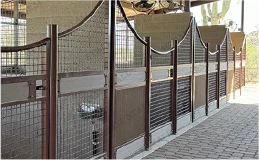
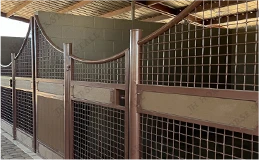
The construction of horse stables relies on a diverse range of materials, each with specific properties impacting performance and longevity. Traditionally, wood (pine, oak, chestnut) dominated stable construction, prized for its workability and natural aesthetic. However, wood is susceptible to decay, insect infestation, and fire, requiring significant maintenance. Modern stables increasingly utilize steel, concrete, and engineered wood products. Steel provides superior structural strength and durability, particularly for framing and roofing systems. Galvanization and powder coating are critical for corrosion prevention, extending lifespan in harsh environments. Concrete is employed for foundations, flooring, and sometimes stall walls, offering excellent fire resistance and durability. Engineered wood products, such as laminated veneer lumber (LVL) and oriented strand board (OSB), combine the aesthetic appeal of wood with improved structural properties and dimensional stability. Stall construction often incorporates hardwood for stall fronts and dividers, balancing aesthetics with resistance to chewing and impact. Bedding materials (straw, wood shavings, peat moss, rubber mats) require consideration of absorbency, dust levels, and decomposition rates. The manufacturing process varies greatly. Steel components are typically fabricated through welding and bolting. Concrete is poured and cured according to specific mix designs and reinforcement schedules. Wood components are milled, joined using traditional carpentry techniques, or assembled using engineered fasteners. Parameter control during manufacturing involves precise dimensional accuracy, weld quality, concrete curing temperature and humidity, and wood moisture content.

Performance & Engineering
The performance of a horse stable is fundamentally governed by principles of structural engineering, fluid dynamics (ventilation), and animal behavior. Force analysis is critical in designing stable structures to withstand live loads (horse weight, human activity), dead loads (building materials), and environmental loads (wind, snow, seismic activity). Stall dimensions must accommodate the horse’s size and movement, minimizing the risk of injury. Ventilation systems are essential for removing ammonia, dust, and excess moisture, maintaining air quality and preventing respiratory problems. Natural ventilation relies on strategically placed openings and prevailing wind patterns. Mechanical ventilation systems utilize fans and ductwork to achieve controlled airflow. Drainage systems must efficiently remove urine and manure, preventing slippery surfaces and bacterial growth. Roof pitch and gutter design are crucial for water runoff. Compliance requirements vary by jurisdiction, typically encompassing building codes, fire safety regulations, and animal welfare standards. Functional implementation involves optimizing stall layout for ease of cleaning and feeding, providing adequate lighting, and ensuring safe access for horses and personnel. Thermal performance, measured by R-value of insulation and U-value of walls and roofs, impacts heating and cooling costs and the horse’s comfort. Acoustic properties, minimizing noise transmission, are also important for reducing stress.
Technical Specifications
| Parameter | Unit | Typical Value (Wood Stable) | Typical Value (Steel Stable) |
|---|---|---|---|
| Stall Width | meters | 3.0 - 3.6 | 3.0 - 3.6 |
| Stall Depth | meters | 3.0 - 3.6 | 3.0 - 3.6 |
| Roof Load Capacity (Snow) | kg/m² | 150 - 300 | 300 - 500 |
| Wind Load Resistance | km/h | 120 - 160 | 160 - 200 |
| Ventilation Rate (per horse) | m³/h | 200 - 400 | 200 - 400 |
| Thermal Resistance (Wall) | m²·K/W | 1.5 - 2.5 | 2.0 - 4.0 |
Failure Mode & Maintenance
Horse stables are susceptible to a variety of failure modes, depending on materials and environmental conditions. Wood stables commonly experience decay (rot fungus), insect infestation (termites, carpenter ants), and structural weakening due to moisture absorption. Failure manifests as cracked or splintered wood, sagging roofs, and compromised stall integrity. Steel stables are prone to corrosion (rust), particularly in coastal environments or areas with high humidity. Failure occurs as rust weakens structural components, leading to potential collapse. Concrete structures can develop cracks due to thermal expansion and contraction, freeze-thaw cycles, and ground settlement. Delamination of concrete surfaces can expose reinforcing steel to corrosion. Maintenance is crucial for preventing these failures. Wood stables require regular painting or staining to protect against moisture, insecticide treatment to control pests, and periodic inspection for structural damage. Steel stables necessitate galvanization maintenance, repainting of corroded areas, and tightening of bolts. Concrete structures benefit from sealant application to prevent water penetration and crack repair to prevent further deterioration. Regular cleaning and manure removal are essential for minimizing ammonia build-up and preventing damage to flooring and stall components. Stall hardware (latches, hinges) should be inspected and lubricated regularly to ensure proper function and prevent injury.
Industry FAQ
Q: What is the optimal stall size for a 16-hand horse?
A: A 16-hand (approximately 1.63 meters) horse typically requires a stall that is at least 3.6 meters wide and 3.0 meters deep. Larger stalls (3.6 x 3.6 meters) are preferable, especially for larger breeds or horses that spend significant time in their stalls. Adequate space allows for comfortable movement and reduces the risk of injury.
Q: How can I mitigate ammonia build-up in a closed stable?
A: Effective ammonia mitigation requires a multi-faceted approach. Prioritize regular manure removal, ideally daily. Ensure adequate ventilation through natural or mechanical means, aiming for at least 200-400 m³/h of airflow per horse. Consider using bedding materials with high absorbency and low nitrogen content. Lime can be added to bedding to help neutralize ammonia, but should be used cautiously as excessive lime can be irritating to the horse's respiratory system.
Q: What are the key considerations when choosing a stable flooring material?
A: Flooring material selection depends on several factors. Concrete is durable and easy to clean but can be hard on the horse’s legs. Rubber mats provide cushioning and improve traction, but require regular cleaning and can be expensive. Clay or packed earth are traditional options but can be dusty and difficult to maintain. Drainage is paramount, regardless of the material chosen.
Q: How important is fire resistance in stable construction?
A: Fire resistance is critically important. Horses are particularly vulnerable in a fire. Use fire-retardant building materials (concrete, steel, treated wood). Ensure adequate fire exits and access for emergency personnel. Implement a fire prevention plan, including proper storage of hay and electrical wiring.
Q: What are the advantages and disadvantages of steel versus wood stable construction?
A: Steel offers superior strength, durability, and fire resistance, but is generally more expensive upfront. It also requires specialized fabrication and installation. Wood is more affordable and aesthetically pleasing, but requires more maintenance and is susceptible to decay and fire. Engineered wood products offer a compromise between cost and performance.
Conclusion
The design and construction of horse stables represent a complex engineering challenge requiring a thorough understanding of materials science, structural mechanics, and animal welfare principles. Optimizing stable performance necessitates careful consideration of ventilation, drainage, stall construction, and material selection, ultimately aiming to minimize stress factors and maximize the health and safety of the horse. The choice between traditional materials like wood and modern alternatives like steel and concrete hinges on a careful evaluation of cost, durability, and maintenance requirements.
Future trends in stable construction will likely focus on sustainable materials, energy efficiency, and advanced monitoring technologies. Automated ventilation systems, smart stall sensors, and remote monitoring capabilities will contribute to improved animal welfare and reduced operational costs. A holistic approach, integrating best practices in engineering, animal science, and environmental sustainability, will be crucial for ensuring the long-term viability of the equine industry.
-
Star Stable Horses Technical Analysis
-
Horse Stabling Material Science and Performance
-
horse stable stardew Performance Analysis
-
Horse riding stables near me Performance and Engineering
-
horse stables in minecraft Performance Analysis
-
Horse Stable Urine Performance Analysis
-
Stable and Horse Structural Engineering
-
Horses in the stable Material Science and Manufacturing
-
horse boarding stables Material Science and Manufacturing
-
Horse Stabling Material Science and Performance
-
horse stables Material Science and Manufacturing
-
minecraft horse stable Performance Analysis
-
horse stable minecraft Structural Analysis
-
Horse Stables Near Me Performance and Engineering
-
Horse Stable Construction Performance Analysis