



Apr . 01, 2024 17:55 Back to list
Horse Stable Rental Costs how much is it to rent a horse stable
Introduction
Horse stable rental costs represent a complex interplay of factors within the equestrian industry. This guide provides a comprehensive technical analysis of the cost drivers associated with stabling, moving beyond simple per-stall pricing to encompass infrastructure requirements, regional economic conditions, and the level of provided services. Stable rental is a critical element of the broader horse ownership lifecycle, impacting operational expenses for both individual owners and commercial equestrian enterprises. Understanding these costs is paramount for effective budget management and business planning. The industry operates within a largely fragmented market, necessitating a detailed understanding of localized pricing dynamics.
Material Science & Manufacturing
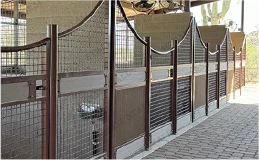
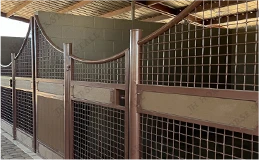
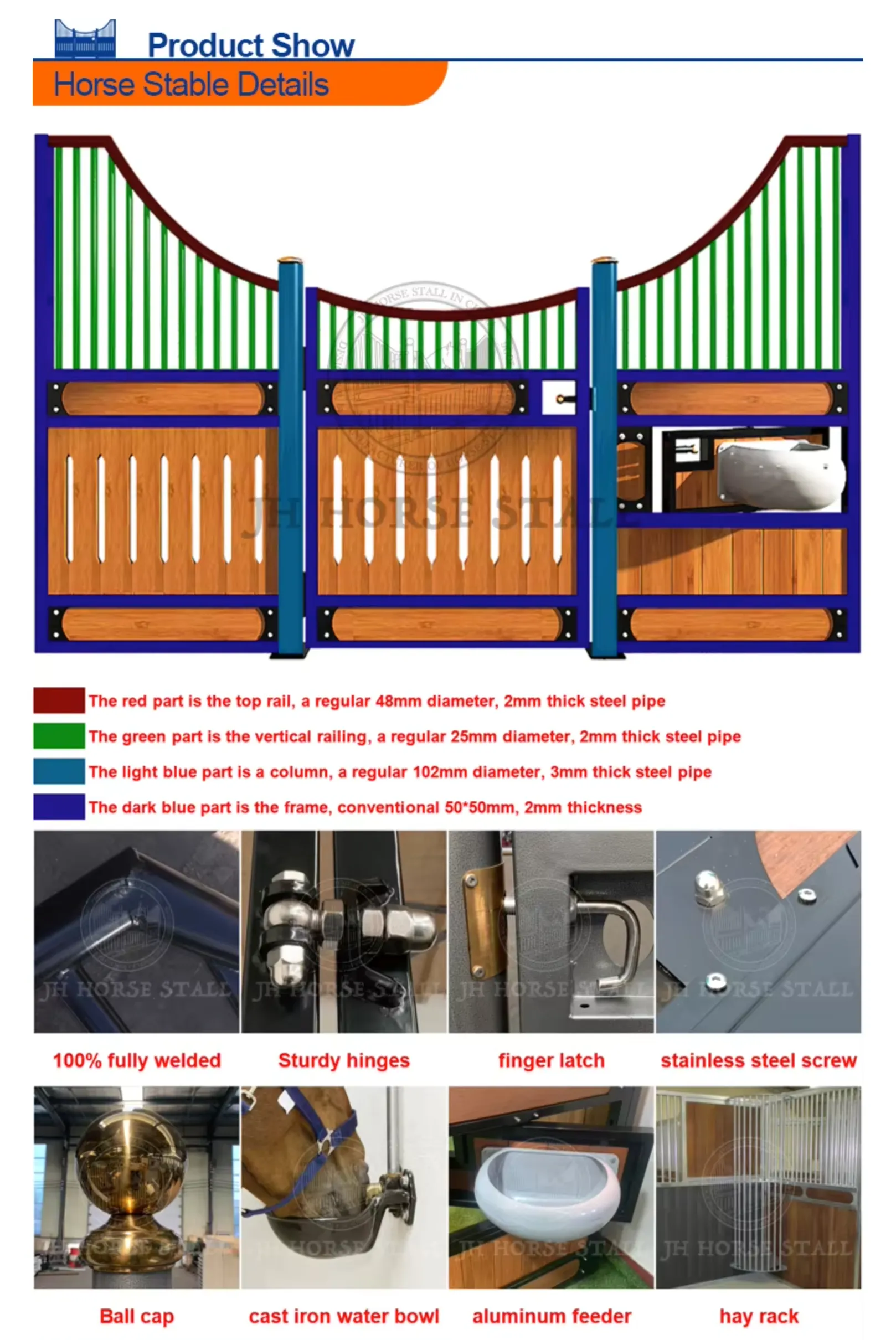
While seemingly unrelated, the materials used in stable construction directly influence rental costs. Stall construction typically employs timber (pressure-treated pine, oak, or hardwood), steel, and composite materials. Timber costs fluctuate with lumber markets and species availability, impacting overall construction expenditure which is passed onto renters. Steel stall components offer greater durability and lower long-term maintenance, but represent a higher initial capital outlay. Flooring materials (clay, rubber mats, concrete) affect both horse comfort and facility upkeep costs. Rubber matting, while expensive initially, reduces bedding consumption and labor related to mucking, thereby influencing long-term operational costs factored into rental fees. The manufacturing process, including welding for steel stalls, timber milling and treatment, and composite molding, all contribute to the cost base. Material compatibility, specifically resistance to urine and manure corrosion, is crucial for longevity, impacting replacement cycles and, consequently, rental rates. Proper ventilation systems, crucial for air quality and reducing ammonia levels, require specific materials (galvanized steel ductwork, durable fans) and construction techniques impacting initial setup and maintenance costs reflected in rental pricing.
Performance & Engineering
Stable design must consider structural load bearing capacity to accommodate the weight of horses and associated stresses from movement. Force analysis dictates stall dimensions and materials; larger horses require reinforced stalls. Environmental resistance is a critical performance parameter. Stables must withstand wind loads, precipitation, and temperature fluctuations. Proper roof design (pitch, materials) and drainage systems are essential. Compliance requirements, specifically those related to animal welfare and building codes, vary by jurisdiction. These regulations influence stall size, ventilation requirements, fire safety protocols, and waste management systems. Engineering considerations extend to arena footing (if included), fencing materials and construction, and access road infrastructure. Lighting systems, both for horse safety and human operability, require engineering specifications regarding lumen output, energy efficiency, and maintenance schedules. The thermal performance of stable buildings – minimizing heat loss in winter and heat gain in summer – directly impacts utility costs, which are often partially or fully included in rental agreements. Effective drainage around the stable building is paramount to prevent structural damage and disease proliferation.
Technical Specifications
| Stall Size (Internal) | Rental Cost (Monthly - Basic) | Rental Cost (Monthly - Full Service) | Annual Maintenance Cost (Per Stall - Facility) |
|---|---|---|---|
| 10ft x 10ft | $250 - $400 | $500 - $750 | $300 - $500 |
| 12ft x 12ft | $350 - $550 | $650 - $900 | $400 - $600 |
| 12ft x 14ft | $400 - $600 | $700 - $1000 | $450 - $700 |
| 14ft x 14ft | $500 - $700 | $800 - $1200 | $500 - $800 |
| Covered vs. Uncovered | Uncovered: $200 - $300 | Covered: $400 - $600 | $100 - $200 (Uncovered) / $200 - $400 (Covered) |
| Location (Rural vs. Urban) | Rural: $200 - $400 | Urban: $500 - $1000+ | $150 - $300 (Rural) / $300 - $600+ (Urban) |
Failure Mode & Maintenance
Common failure modes in stable infrastructure include timber rot (due to moisture exposure), steel corrosion (from urine and cleaning agents), and structural fatigue in stall components. Concrete cracking (from freeze-thaw cycles and ground movement) can also occur. Rubber matting can degrade due to UV exposure and abrasion. Preventative maintenance is crucial. Timber requires regular inspection and treatment with preservatives. Steel requires coating maintenance to prevent corrosion. Concrete requires sealing and crack repair. Drainage systems require periodic cleaning to prevent blockages. Ventilation fans require regular lubrication and filter replacement. Stall doors are susceptible to hinge failure and latch malfunction, necessitating regular adjustment and replacement. Bedding management practices directly influence stall hygiene and reduce the risk of bacterial growth and ammonia buildup. Failure to address these issues leads to increased repair costs and potential health risks for horses. Routine structural inspections by a qualified engineer are recommended to identify potential weaknesses before they escalate into major problems.
Industry FAQ
Q: What factors contribute most significantly to variations in horse stable rental rates across different regions?
A: Geographic location is paramount. Urban areas with high land values and limited equestrian facilities command significantly higher rates than rural areas. Proximity to major equestrian events or competition centers also drives up demand and pricing. Local economic conditions, the availability of qualified stable management personnel, and regional regulations also play a role. The overall cost of living in a particular area correlates strongly with rental costs.
Q: What is the typical breakdown of costs included in a “full-service” stable rental agreement?
A: Full-service agreements typically include stall rental, daily turnout, feeding (specified feed types and quantities), watering, manure removal, bedding provision (and cleaning), basic first aid, and access to common areas (wash stalls, tack rooms, arenas). Some agreements may also include supplemental services like blanketing, fly control, and basic grooming. A detailed breakdown should be provided in the rental contract.
Q: How does stall size impact rental cost, and what size is generally recommended for a 16-hand horse?
A: Larger stalls generally command higher rental rates due to the increased space and material costs. A 16-hand horse (approximately 64 inches at the withers) typically requires a stall of at least 12ft x 12ft for comfortable movement and to minimize the risk of injury. However, some horses, particularly larger breeds or those prone to weaving, may benefit from a 12ft x 14ft or larger stall.
Q: What are the common clauses regarding liability and insurance in horse stable rental agreements?
A: Rental agreements typically include clauses addressing liability for horse injuries, property damage, and personal injury. Stable owners generally require renters to carry their own horse owner’s liability insurance to cover potential claims. The agreement should clearly define the scope of the stable owner’s liability and the renter’s responsibilities. Waivers of liability are common, but their enforceability varies by jurisdiction.
Q: How often should stable facilities undergo maintenance to ensure structural integrity and horse safety?
A: Regular maintenance is critical. Stall structures should be inspected at least twice annually for signs of wear, damage, or rot. Drainage systems should be cleaned regularly (especially in the fall) to prevent blockages. Flooring should be inspected for cracks or unevenness. Ventilation systems should be maintained according to manufacturer recommendations. A professional structural engineer should conduct a comprehensive inspection every 3-5 years to assess overall structural integrity.
Conclusion
Determining the cost of horse stable rental is a multifaceted undertaking that requires careful consideration of numerous factors extending beyond the basic stall fee. Material selection in construction, engineering design for performance and safety, and proactive maintenance protocols all contribute to both the initial investment and ongoing operational expenses that ultimately influence rental rates. Understanding these elements enables informed decision-making for both stable owners and horse owners.
Looking ahead, the equestrian industry will likely see increased emphasis on sustainable building practices and advanced materials to reduce long-term maintenance costs and environmental impact. The integration of smart technology for monitoring environmental conditions and automating stable management tasks may also become more prevalent. Ultimately, a data-driven approach to cost management and a commitment to horse welfare will be essential for the continued success of the horse stable rental market.
-
barbie horse and stable Material Performance Analysis
-
toy horse stables Material Performance Analysis
-
Swan Lake Stables Horse Shows Material Science and Engineering
-
star stable horse names Technical Analysis
-
star stable app horses Technical Analysis
-
Horse Stable Structural Integrity and Performance
-
small horse stable minecraft Structural Analysis
-
schleich horse stable Material Science and Manufacturing
-
rocking horse stables Material Science Manufacturing
-
pure gold horse stables Structural Analysis
-
Morningside Stables at Columbia Horse Center Material Performance
-
melissa doug horse stable Material Science
-
lego friends stable horse Performance Analysis
-
large toy horse stable Construction and Performance Analysis
-
Horses Stables Material Properties