



Apr . 01, 2024 17:55 Back to list
Horse Stable Structural Engineering

Introduction
A horse stable is a structure designed to house horses, providing shelter from the elements and a safe environment. Its technical position within the agricultural and equestrian industries is fundamental, impacting animal welfare, breeding practices, and operational efficiency of equestrian facilities. Modern stable design necessitates a nuanced understanding of materials science, ventilation systems, waste management, and structural engineering. Core performance criteria include structural integrity against dynamic loading (horse movement and external forces), thermal regulation to maintain consistent temperature, hygienic conditions to minimize disease transmission, fire resistance to ensure animal and human safety, and durability against environmental degradation. A well-designed stable isn’t merely a building; it’s a critical component of equine health and operational sustainability.
Material Science & Manufacturing
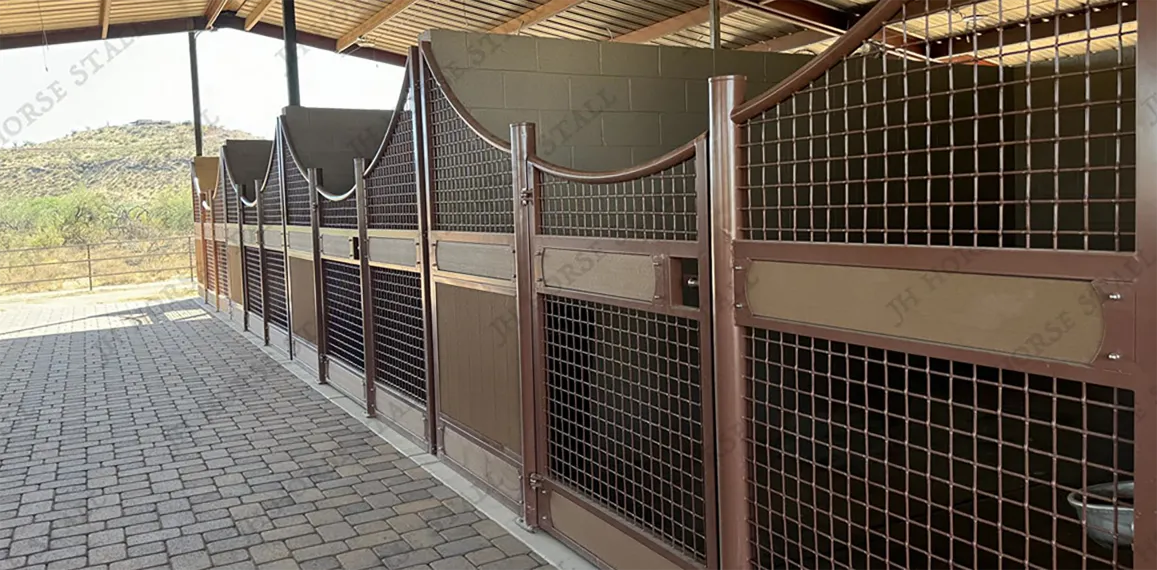
The construction of horse stables leverages a range of materials, each with specific properties impacting performance and longevity. Timber, historically the dominant material, offers structural strength and aesthetic appeal, but is susceptible to rot, insect infestation, and fire. Typical timber species include pressure-treated Douglas Fir, Southern Yellow Pine, and hardwoods like Oak. Treatment processes involve impregnation with preservatives like chromated copper arsenate (CCA) – though its use is decreasing due to environmental concerns – or newer alternatives like copper azole. Steel, particularly galvanized steel, provides superior strength and resistance to fire and pests. Manufacturing processes involve welding, bolting, and coating to prevent corrosion. Concrete is utilized for foundations and flooring, requiring precise mixing ratios and curing processes to achieve optimal compressive strength and minimize cracking. Modern stables also incorporate composite materials like fiber-reinforced polymers (FRP) for roofing and wall cladding, offering lightweight strength and weather resistance. Wall panels often involve a combination of timber framing and infill materials such as plywood or oriented strand board (OSB), secured with fasteners. Key parameter control during manufacturing centers on moisture content of timber, coating thickness for corrosion resistance, concrete mix design, and FRP resin viscosity. Proper ventilation during construction is crucial to prevent mold growth in timber and ensure adequate adhesion of coatings.
Performance & Engineering
The performance of a horse stable is dictated by several engineering considerations. Structural analysis, particularly force analysis, is paramount. Horses exert significant dynamic loads – both static weight and impact forces during movement. Stable walls and roofing systems must be engineered to withstand these forces, accounting for wind loads and potential snow accumulation. Finite element analysis (FEA) is often employed to model stress distribution and optimize structural design. Ventilation is crucial for maintaining air quality, reducing ammonia levels from waste, and preventing respiratory issues in horses. Natural ventilation relies on strategically placed openings and airflow patterns, while mechanical ventilation systems employ fans and ductwork. Compliance requirements vary by jurisdiction but generally include building codes related to structural safety, fire resistance, and accessibility. Drainage systems are essential for managing wastewater and preventing the accumulation of moisture, which can lead to structural damage and health hazards. The stall design itself is critical; dimensions must accommodate the horse comfortably while providing sufficient safety. Flooring materials (e.g., rubber mats, packed earth, concrete) impact traction, shock absorption, and ease of cleaning. Fire resistance is typically addressed through the use of fire-retardant materials and the implementation of fire suppression systems.
Technical Specifications
| Parameter | Unit | Standard Stall (12ft x 12ft) | Large Stall (14ft x 14ft) |
|---|---|---|---|
| Wall Height | ft | 8 | 8 |
| Roof Load Capacity (Snow) | psf | 30 | 30 |
| Timber Grade (Framing) | - | #2 Douglas Fir | #1 Douglas Fir |
| Steel Gauge (Framing) | Gauge | 14 | 12 |
| Ventilation Rate (Air Changes/hr) | ACH | 6-10 | 6-10 |
| Concrete Compressive Strength | psi | 3000 | 3000 |
Failure Mode & Maintenance
Horse stables are susceptible to various failure modes. Timber structures can experience rot, particularly in areas exposed to moisture, leading to structural weakening and eventual collapse. Insect infestation (e.g., termites) can exacerbate this process. Fatigue cracking can occur in steel components due to repeated dynamic loading from horse movement. Corrosion of steel is a significant concern, especially in environments with high humidity or exposure to salt. Concrete can crack due to shrinkage, temperature fluctuations, or excessive loading. Delamination of composite materials can occur due to moisture ingress or UV degradation. Oxidation of metal components leads to surface degradation and reduced strength. Preventative maintenance is crucial. Regular inspections should be conducted to identify signs of rot, corrosion, or cracking. Timber should be treated with preservatives periodically. Steel components should be recoated as needed. Concrete cracks should be sealed to prevent water penetration. Proper drainage is essential to minimize moisture exposure. Stall bedding should be changed regularly to maintain hygienic conditions and prevent ammonia buildup. Routine tightening of fasteners and replacement of worn components are also important maintenance tasks. Proper ventilation is paramount to minimizing moisture and the resultant deterioration. A detailed maintenance schedule, documented and followed consistently, is the most effective strategy for extending the lifespan of a horse stable.
Industry FAQ
Q: What are the primary considerations when selecting timber for stable construction regarding durability?
A: The primary considerations are species selection, preservative treatment, and moisture content. Species like Douglas Fir and Southern Yellow Pine offer good strength but require pressure treatment with appropriate preservatives (e.g., copper azole) to resist rot and insect infestation. Maintaining a low moisture content (below 20%) during construction and ongoing ventilation are also crucial to prevent decay.
Q: How does galvanized steel compare to stainless steel in terms of cost and corrosion resistance for stable framing?
A: Galvanized steel is significantly more cost-effective than stainless steel. Both offer excellent corrosion resistance, but stainless steel provides superior long-term protection, particularly in harsh environments (e.g., coastal areas with high salt exposure). The choice depends on budget and the severity of the corrosive environment. Galvanized steel is typically sufficient for most inland applications.
Q: What is the recommended concrete mix design for stable flooring to ensure adequate drainage and durability?
A: A typical concrete mix design includes a 3000 psi compressive strength with air entrainment (approximately 6%) to improve freeze-thaw resistance. A slight slope (around 1-2%) should be incorporated into the flooring design to facilitate drainage. Proper compaction and curing are essential to minimize cracking. A waterproof membrane can be added beneath the concrete to further prevent moisture penetration.
Q: What are the key factors in designing a stable ventilation system to minimize ammonia levels and maintain air quality?
A: Ventilation rate (6-10 air changes per hour is a good starting point), airflow direction (to remove ammonia away from horses), and the placement of air inlets and outlets are all crucial. Natural ventilation relies on convection and wind patterns, while mechanical ventilation uses fans to control airflow. Regular cleaning of stalls and proper waste management are also essential complements to ventilation.
Q: How often should a comprehensive structural inspection of a timber horse stable be performed?
A: A comprehensive structural inspection should be performed annually, with more frequent checks (every 6 months) for older stables or those in harsh environments. The inspection should focus on identifying signs of rot, insect damage, cracking, or fastener failure. A qualified structural engineer should conduct the inspection and provide recommendations for repair or maintenance.
Conclusion
The design and construction of a horse stable demand a comprehensive understanding of materials science, structural engineering, and equine welfare. Careful material selection, precise manufacturing processes, and diligent maintenance are paramount to ensuring the longevity, safety, and functionality of the structure. Ignoring these considerations can lead to premature failure, compromising animal health and potentially resulting in significant financial losses.
Future advancements in stable technology are likely to focus on sustainable materials, smart ventilation systems, and automated waste management solutions. The integration of sensors to monitor environmental conditions (temperature, humidity, ammonia levels) and structural integrity will enable proactive maintenance and optimize horse comfort. Adherence to relevant industry standards and continuous innovation will be crucial for meeting the evolving needs of the equestrian industry.
-
Horses in the stable line dance Structural Engineering Analysis
-
Horses in the stable i love the way you ride Structural Engineering Analysis
-
horse stables minecraft Structural Analysis
-
horse stable near me Performance and Engineering
-
star stable online horses Performance Engineering
-
Star Stable Horses Technical Analysis
-
Horse Stabling Material Science and Performance
-
horse stable stardew Performance Analysis
-
Horse riding stables near me Performance and Engineering
-
horse stables in minecraft Performance Analysis
-
Horse Stable Urine Performance Analysis
-
Stable and Horse Structural Engineering
-
Horses in the stable Material Science and Manufacturing
-
horse boarding stables Material Science and Manufacturing
-
Horse Stabling Material Science and Performance