



Apr . 01, 2024 17:55 Back to list
Horse Stable Structural Integrity and Performance Analysis
Introduction
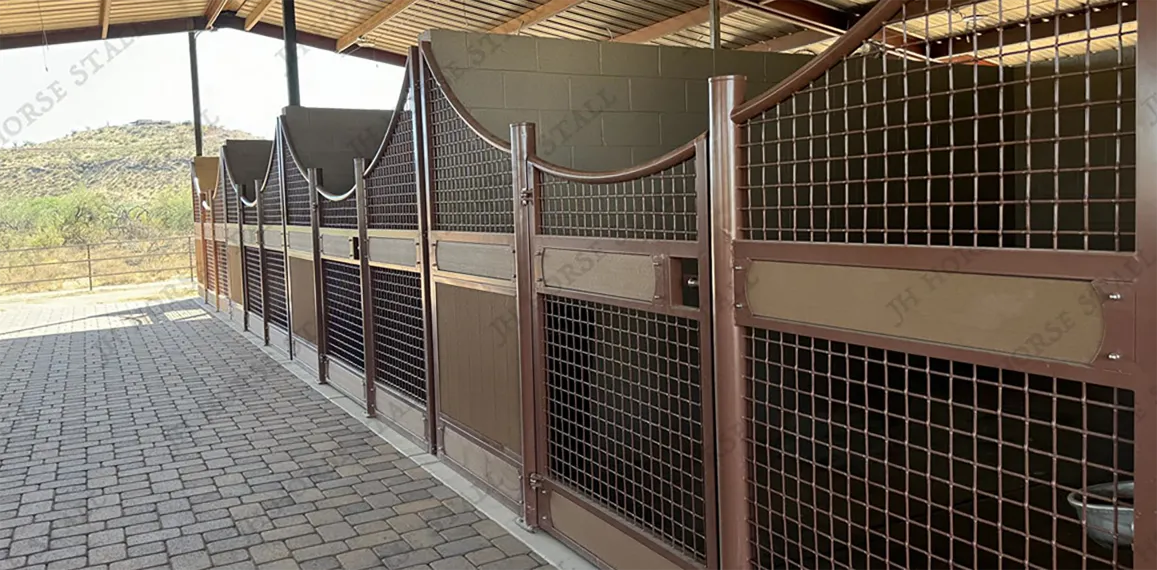
A horse stable, fundamentally, is a structure designed to provide shelter, security, and a controlled environment for equines. Its technical position within the agricultural and equestrian industries is crucial; it represents the primary interface between animal husbandry practices and the biological needs of the horse. Beyond mere shelter, a well-engineered stable mitigates health risks, enhances breeding success, and facilitates efficient animal management. Core performance metrics center around structural integrity – resistance to wind and snow loads, impact resistance from animal activity – and environmental control – maintaining appropriate temperature, humidity, and ventilation to minimize respiratory issues and promote optimal equine health. The stable’s design directly impacts not only the horse’s wellbeing but also the operational efficiency of the equestrian facility, including cleaning, feeding, and manure management. Modern stable construction increasingly integrates principles of biomimicry and advanced materials science to enhance these performance characteristics.
Material Science & Manufacturing
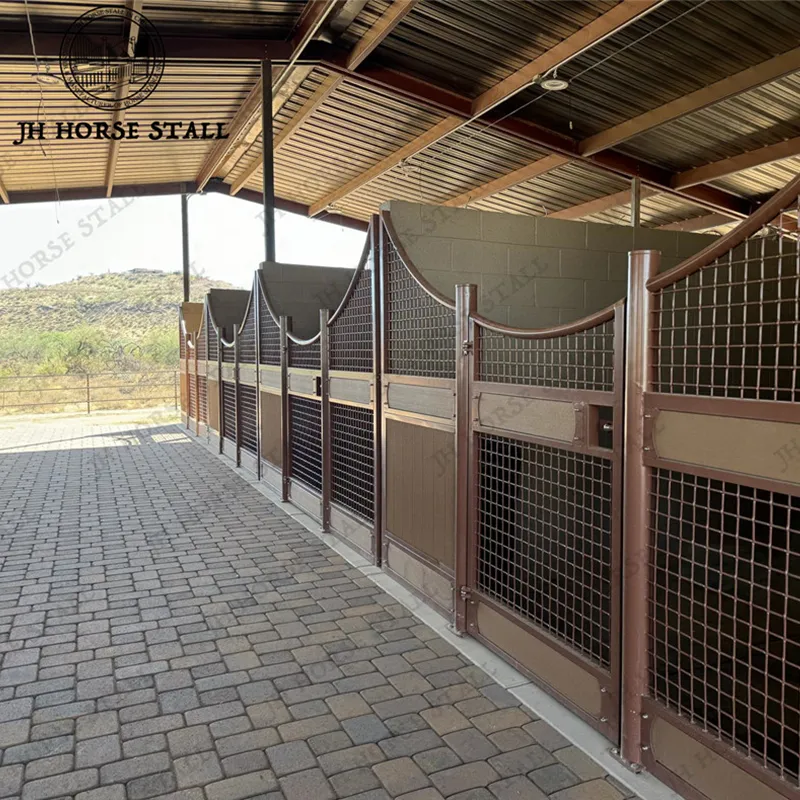
Traditional stable construction relied heavily on timber – specifically, pressure-treated softwood like pine or fir, selected for its workability and cost-effectiveness. However, timber is susceptible to rot, insect infestation, and fire. Modern stables increasingly utilize steel framing, offering superior strength and durability, particularly for larger structures. Steel grades commonly employed include ASTM A36 for framing and A572 for columns, chosen for their yield strength and weldability. Exterior cladding materials vary greatly, ranging from traditional wood siding (requiring regular maintenance with wood preservatives) to engineered wood products (EWPs) like oriented strand board (OSB) and laminated veneer lumber (LVL), offering improved dimensional stability. More advanced options include metal siding (galvanized steel or aluminum), offering long-term durability and fire resistance. Flooring materials are critical; packed clay provides natural cushioning but requires frequent maintenance. Rubber mats (typically EPDM – Ethylene Propylene Diene Monomer rubber) offer superior shock absorption, hygiene, and ease of cleaning. Concrete flooring, while durable, necessitates proper drainage and cushioning. Manufacturing processes include precision welding of steel frames (compliant with AWS D1.1 standards), CNC milling of timber components for precise joinery, and thermoforming of plastic components for stall dividers and water troughs. Key parameter control during manufacturing includes weld quality inspection (visual and radiographic), timber moisture content monitoring (to prevent warping), and plastic material density verification.
Performance & Engineering
Stable performance hinges on a rigorous understanding of structural mechanics and environmental control. Force analysis is paramount, considering dead loads (weight of materials), live loads (weight of horses and hay), wind loads (dependent on geographic location and building height, per ASCE 7 standards), and snow loads. Structural design must account for these forces to ensure stability and prevent collapse. Ventilation is crucial to remove ammonia, dust, and moisture, mitigating respiratory problems in horses. Natural ventilation relies on strategically placed openings and prevailing winds. Mechanical ventilation systems, employing fans and exhaust ducts, offer more precise control. Environmental resistance considerations include waterproofing (preventing rainwater ingress) and thermal insulation (maintaining a consistent temperature). Compliance requirements vary by jurisdiction but often include building codes related to fire safety (NFPA standards), accessibility (ADA compliance), and animal welfare. Functional implementation details include stall dimensions (meeting minimum size requirements per equestrian governing bodies), gate mechanisms (ensuring smooth and secure operation), and drainage systems (preventing water accumulation and minimizing odor). The material selection directly affects acoustic properties; sound dampening materials reduce stress in horses.
Technical Specifications
| Material | Tensile Strength (MPa) | Density (kg/m³) | Water Absorption (%) |
|---|---|---|---|
| Pressure-Treated Pine | 40-60 | 500-700 | 15-25 |
| Steel (A36) | 400-550 | 7850 | Negligible |
| Galvanized Steel | 400-550 | 7850 | Negligible |
| EPDM Rubber | 10-20 | 1140 | <1 |
| Concrete (Typical Mix) | 20-30 | 2400 | 5-10 |
| OSB (Oriented Strand Board) | 25-40 | 650-750 | 10-15 |
Failure Mode & Maintenance
Common failure modes in horse stables include timber rot (caused by fungal decay, preventable with regular preservative application), steel corrosion (particularly in coastal environments, mitigated by galvanization and protective coatings), concrete cracking (resulting from freeze-thaw cycles or excessive loading, addressed with proper sealant application), and rubber mat degradation (caused by UV exposure and abrasion, requiring periodic replacement). Fatigue cracking in steel welds is a critical concern, necessitating regular visual inspections and non-destructive testing (NDT). Delamination of OSB and LVL can occur due to moisture ingress, emphasizing the importance of proper sealing and ventilation. Maintenance solutions include annual timber treatment with wood preservatives, regular steel inspection and repainting, concrete crack repair with epoxy-based sealants, rubber mat replacement when worn, and periodic tightening of bolted connections. Proactive maintenance significantly extends the lifespan of the stable and reduces the risk of costly repairs or structural failure. Biosecurity is also a vital maintenance aspect; regular disinfection protocols limit the spread of equine diseases.
Industry FAQ
Q: What is the optimal ventilation rate for a horse stable, and how is it measured?
A: Optimal ventilation rates vary depending on stable size, horse density, and climate. A general guideline is 8-12 air changes per hour. Measurement is typically performed using an anemometer to assess air velocity and carbon dioxide (CO2) sensors to monitor air quality. Maintaining CO2 levels below 800 ppm is crucial to prevent respiratory issues.
Q: How does the choice of flooring material impact equine limb health?
A: Flooring material significantly affects limb health. Concrete, while durable, provides minimal shock absorption and can contribute to concussion injuries. Rubber mats offer superior cushioning and are recommended for stalls. Packed clay provides some cushioning but requires frequent maintenance to prevent uneven surfaces and compaction.
Q: What are the key considerations for selecting stall dividers?
A: Stall dividers must be strong enough to withstand horse impact and prevent escape. Materials include wood, steel, and PVC. Steel dividers offer superior durability but can be more expensive. PVC is lightweight and easy to clean but may not be as robust. Divider height and spacing are critical for safety.
Q: What are the fire safety requirements for horse stables?
A: Fire safety requirements vary by jurisdiction but generally include fire-resistant building materials, adequate fire exits, fire extinguishers, and smoke detectors. Maintaining clear access for emergency vehicles is also essential. NFPA standards provide detailed guidance on fire protection for agricultural buildings.
Q: How important is drainage in stable design, and what systems are commonly used?
A: Drainage is critical to prevent water accumulation, minimize odor, and maintain hygiene. Common drainage systems include surface drainage (sloping floors towards drains), subsurface drainage (perforated pipes buried beneath the floor), and French drains. Proper drainage also prevents structural damage caused by water ingress.
Conclusion
The design and construction of a horse stable represent a complex interplay of material science, structural engineering, and animal welfare principles. The shift from traditional timber construction to modern materials like steel and engineered wood products reflects a growing emphasis on durability, safety, and long-term cost-effectiveness. Maintaining optimal environmental conditions – through proper ventilation, insulation, and drainage – is paramount for equine health and performance.
Future developments in stable technology will likely focus on incorporating smart building technologies for automated climate control and monitoring, advanced materials with self-healing properties, and sustainable construction practices that minimize environmental impact. A holistic approach to stable design, encompassing both technical specifications and the biological needs of the horse, is crucial for creating a safe, comfortable, and efficient equine facility.
-
toy horse stable Material Science and Manufacturing
-
our generation horse stable Material Science Manufacturing
-
stardew horse stable Performance Analysis
-
Stable horse Structural Performance Analysis
-
horses in the stable lyrics Data Integrity Analysis
-
horse riding stables Material Science and Manufacturing
-
Horse in stable Structural Engineering
-
horse boarding stable Performance Engineering
-
horse and stable toy Material Science
-
barbie horse stable Material Performance Analysis
-
Our Generation Doll Horse Stable Performance Analysis
-
minecraft horse stable ideas Construction Performance Analysis
-
horse stable toy Performance Analysis
-
horse stable supplies Material Science
-
horse boarding stables near me Material Science and Manufacturing