



Apr . 01, 2024 17:55 Back to list
Horse Stable Structural Performance Analysis

Introduction
A horse stable, fundamentally a shelter for equine animals, represents a critical component within the broader agricultural and equestrian industries. Its technical position extends beyond simple enclosure, encompassing structural engineering, materials science, and environmental control. The core performance of a stable is defined by its ability to provide protection from the elements, maintain sanitary conditions, ensure the safety of the animal, and facilitate efficient management of waste. Modern stable design increasingly emphasizes ventilation, drainage, and material durability to mitigate health risks and reduce long-term maintenance costs. The selection of materials and construction techniques directly impacts the horse's well-being, influencing factors like hoof health, respiratory function, and thermal comfort. Industry pain points include cost-effective construction without compromising structural integrity, managing humidity and ammonia levels to prevent respiratory disease, and ensuring robust resistance to impact and corrosive elements present in equine waste.
Material Science & Manufacturing
The construction of a horse stable typically involves a combination of wood, metal (steel, aluminum), concrete, and composite materials. Wood, historically the dominant material, offers cost-effectiveness and ease of workability, but requires regular treatment to prevent rot, insect infestation, and fire hazards. Common wood species include pressure-treated pine, Douglas fir, and hardwoods like oak. Steel, particularly galvanized or stainless steel, is utilized for framing, roofing, and stall components due to its high strength-to-weight ratio and resistance to corrosion. Aluminum provides a lightweight, corrosion-resistant alternative, frequently employed in roofing and window frames. Concrete foundations and flooring provide stability and durability, while composite materials – such as fiber-reinforced polymers – are gaining traction for stall walls and roofing due to their lightweight nature and resistance to moisture. Manufacturing processes vary depending on the material. Wood undergoes milling, planing, and joining techniques like mortise and tenon or screw fastening. Steel components are fabricated through welding, bolting, and bending. Concrete is cast in place or pre-cast. Critical parameters include wood moisture content (optimally below 20% to prevent warping), steel grade (ASTM A36 or higher for structural members), concrete compressive strength (minimum 3000 psi), and the fiber content and resin matrix of composite materials. Proper ventilation during wood treatment and controlled cooling rates during concrete curing are essential for optimal material properties.
Performance & Engineering
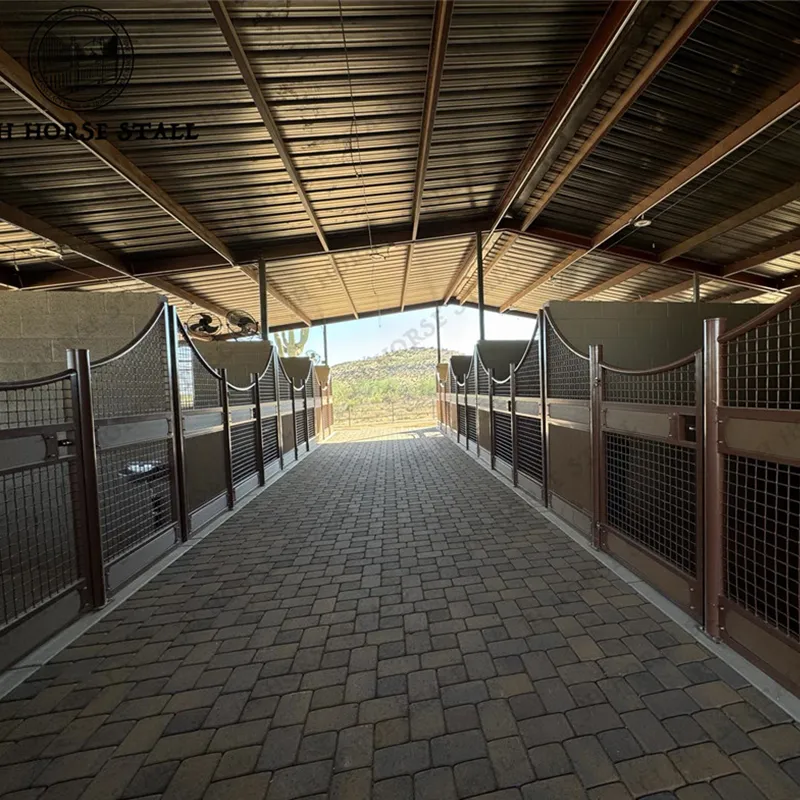
The structural performance of a stable is governed by principles of statics and dynamics, accounting for live loads (horses and occupants) and dead loads (building materials). Force analysis is critical in designing the framing system to withstand wind loads, snow loads, and seismic forces. Roof pitch and material selection impact water runoff and snow accumulation. Stall design must consider the horse’s size and behavior, minimizing the risk of injury. Environmental resistance is paramount; materials must withstand UV degradation, temperature fluctuations, and chemical exposure to ammonia and other waste products. Compliance requirements vary by region, encompassing building codes (IBC, UBC), fire safety regulations (NFPA), and animal welfare standards. Functional implementation necessitates effective ventilation to remove moisture and airborne pathogens, drainage systems to manage wastewater, and appropriate stall flooring to provide traction and cushion impact. The thermal mass of the building materials influences temperature regulation, reducing the need for artificial heating or cooling. Stall dimensions should adhere to recommended guidelines, providing adequate space for the horse to lie down, stand, and turn around comfortably. Proper stall gate latching mechanisms are crucial for preventing accidental escape.
Technical Specifications
| Parameter | Unit | Typical Value | Testing Standard |
|---|---|---|---|
| Wood Moisture Content | % | < 18% | ASTM D143 |
| Steel Yield Strength | psi | 36,000 – 50,000 | ASTM A36 / A572 |
| Concrete Compressive Strength | psi | 3,000 – 4,000 | ASTM C39 |
| Roof Load Capacity (Snow) | psf | 30 – 60 (depending on location) | ASCE 7-16 |
| Ventilation Rate | ACH | 6 – 12 | ASHRAE 55 |
| Ammonia Concentration (Max) | ppm | < 25 | NIOSH Method 6017 |
Failure Mode & Maintenance
Common failure modes in horse stables include wood rot and decay (biological degradation), steel corrosion (electrochemical process), concrete cracking (stress-induced fracture), and fastener failure (shear or tensile overload). Wood rot is often exacerbated by poor ventilation and moisture accumulation. Steel corrosion is accelerated by exposure to ammonia and chlorides. Concrete cracks can result from improper curing, excessive loading, or freeze-thaw cycles. Fastener failure can occur due to fatigue, corrosion, or improper installation. Delamination of composite materials can result from moisture ingress or UV exposure. Maintenance solutions involve regular inspection for signs of decay, corrosion, or cracking. Wood should be treated with preservatives and sealants. Steel should be cleaned and coated with protective paints or galvanization. Concrete cracks should be sealed with epoxy or polyurethane. Fasteners should be replaced as needed. Stall flooring requires periodic cleaning and repair to prevent hoof injuries. Ventilation systems should be inspected and maintained to ensure optimal airflow. Preventative maintenance schedules are critical to extending the lifespan of the stable and minimizing costly repairs. Regular cleaning and disinfection of stall surfaces are essential for preventing the spread of disease.
Industry FAQ
Q: What is the optimal wood treatment for preventing rot in a stable environment?
A: The optimal wood treatment combines pressure treatment with Alkaline Copper Quaternary (ACQ) or Copper Azole (CA) preservatives, followed by a water-repellent sealant. ACQ and CA are less toxic alternatives to Chromated Copper Arsenate (CCA) and provide excellent protection against fungal decay and insect attack. The sealant further reduces moisture absorption, minimizing the risk of rot. Regular reapplication of sealant is recommended based on local climate conditions.
Q: How does galvanized steel compare to stainless steel in terms of corrosion resistance for stall components?
A: Galvanized steel offers good corrosion resistance for a relatively low cost, relying on a zinc coating to protect the underlying steel. However, the zinc coating will eventually corrode over time, especially in highly corrosive environments. Stainless steel, particularly grades 304 or 316, provides superior corrosion resistance due to its chromium content, forming a passive layer that protects against oxidation. While more expensive, stainless steel is a more durable and long-lasting option for stall components exposed to ammonia and moisture.
Q: What concrete mix design is recommended for stable flooring to minimize cracking?
A: A concrete mix design with a low water-to-cement ratio (0.45 - 0.50), appropriate air entrainment (5-7% for freeze-thaw resistance), and the addition of fiber reinforcement (polypropylene or steel fibers) is recommended. The use of a high-quality cement and well-graded aggregates also contributes to improved durability and crack resistance. Proper curing techniques – such as wet curing or the application of a curing compound – are essential to prevent rapid moisture loss and minimize shrinkage cracking.
Q: What ventilation rates are required to maintain acceptable air quality within a stable?
A: Recommended ventilation rates range from 6 to 12 air changes per hour (ACH), depending on the size of the stable, the number of horses, and the climate. Mechanical ventilation systems, coupled with natural ventilation (windows and doors), are often necessary to achieve adequate airflow. Ventilation should be designed to remove ammonia, dust, and moisture, creating a healthier environment for both horses and humans. Monitoring ammonia levels is crucial to ensure the ventilation system is functioning effectively.
Q: How often should stall matting be replaced, and what materials are preferred?
A: Stall matting should be inspected regularly for wear and tear, and replaced as needed – typically every 5-10 years, depending on usage and material quality. Preferred materials include vulcanized rubber (durable and provides excellent cushioning) and recycled rubber (cost-effective and environmentally friendly). Mats should be non-slip, non-absorbent, and easy to clean. Properly installed and maintained stall mats significantly reduce the risk of hoof injuries and improve horse comfort.
Conclusion
The successful design and construction of a horse stable necessitate a thorough understanding of material science, structural engineering, and animal welfare principles. Choosing appropriate materials, implementing robust manufacturing processes, and adhering to relevant industry standards are essential for creating a safe, durable, and comfortable environment for horses. Continuous monitoring and preventative maintenance are crucial for mitigating failure modes and extending the lifespan of the structure.
Future advancements in stable technology are likely to focus on sustainable materials, automated ventilation and waste management systems, and smart monitoring technologies that track environmental conditions and horse behavior. A holistic approach, considering the interplay between structural integrity, environmental control, and animal health, will define the next generation of horse stable design.
-
toy horse stable Material Science and Manufacturing
-
our generation horse stable Material Science Manufacturing
-
stardew horse stable Performance Analysis
-
Stable horse Structural Performance Analysis
-
horses in the stable lyrics Data Integrity Analysis
-
horse riding stables Material Science and Manufacturing
-
Horse in stable Structural Engineering
-
horse boarding stable Performance Engineering
-
horse and stable toy Material Science
-
barbie horse stable Material Performance Analysis
-
Our Generation Doll Horse Stable Performance Analysis
-
minecraft horse stable ideas Construction Performance Analysis
-
horse stable toy Performance Analysis
-
horse stable supplies Material Science
-
horse boarding stables near me Material Science and Manufacturing