



Apr . 01, 2024 17:55 Back to list
Horse Stable What is a horse stable Performance Analysis
Introduction
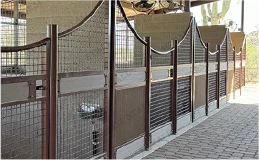
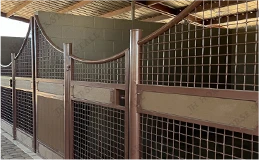
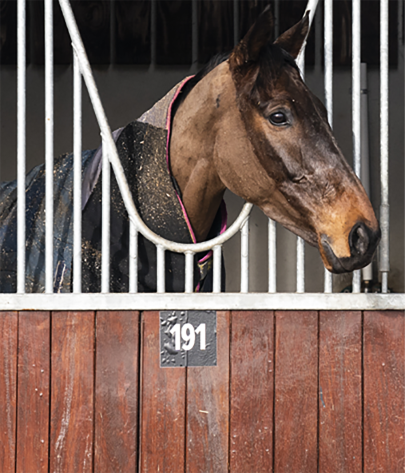
A horse stable is a building or structure specifically designed and constructed for the housing of horses. Beyond simple shelter, a modern stable represents a complex system integrating animal welfare considerations, structural engineering, ventilation science, and material durability. Its technical position in the agricultural and equestrian infrastructure chain is foundational; proper stable design directly impacts equine health, breeding success, and athletic performance. Core performance characteristics center around providing a safe, comfortable, and hygienic environment that minimizes stress and maximizes the horse's physiological well-being. Key aspects include structural integrity to withstand significant live loads, effective waste management to reduce ammonia levels, optimized airflow to prevent respiratory issues, and appropriate material selection to resist corrosion and wear. The industry's central pain point revolves around balancing cost-effectiveness with long-term durability and the provision of an environment that meets increasingly stringent animal welfare standards.
Material Science & Manufacturing
Historically, horse stables were constructed primarily from timber. Modern construction employs a wider range of materials. Structural components frequently utilize pressure-treated lumber (specifically Southern Yellow Pine treated with chromated copper arsenate or, increasingly, alternative preservatives like alkaline copper quaternary) or steel framing. Steel offers greater load-bearing capacity and reduced susceptibility to rot and insect damage, though corrosion is a significant concern necessitating galvanization or powder coating. Stall walls are commonly constructed from wood (typically hardwoods like oak or maple for durability against impact and chewing) or composite materials like recycled plastic lumber, which resists rot and requires minimal maintenance. Flooring materials include compacted clay, concrete, rubber mats, and wood shavings. Concrete provides a durable, easily sanitized surface but lacks cushioning. Rubber mats offer cushioning and improve traction but can harbor bacteria if not properly cleaned. Wood shavings are a traditional choice, providing comfort and absorbency but requiring frequent replacement. Ventilation systems incorporate galvanized steel ductwork and fans designed for corrosive environments (due to ammonia and other airborne contaminants). Manufacturing processes involve precise carpentry, welding (for steel structures), and concrete pouring. Parameter control is critical – lumber must be kiln-dried to minimize warping and cracking, steel welds must meet AWS D1.1 standards for structural integrity, and concrete mixes must adhere to ACI 318 specifications for compressive strength and durability. The chemical compatibility of materials is paramount; pressure-treated lumber must not come into direct contact with feed or bedding, and coatings must be non-toxic to horses.
Performance & Engineering
The performance of a horse stable is dictated by several key engineering principles. Structural analysis must account for live loads (the weight of the horses), dead loads (the weight of the building materials), and dynamic loads (impact from horses moving within the stalls). Force analysis, utilizing principles of statics and mechanics of materials, determines the required dimensions and reinforcement of structural members. Wind load calculations, based on regional wind speeds and building height, are essential to ensure roof stability. Environmental resistance focuses on protecting horses from extreme weather conditions – heat, cold, rain, and snow. This requires adequate insulation (typically fiberglass batts or spray foam) and a well-designed ventilation system. Airflow must be sufficient to remove ammonia, dust, and moisture, minimizing respiratory issues. Compliance requirements vary by region but typically involve adherence to building codes, zoning regulations, and animal welfare standards. Functional implementation includes stall dimensions based on horse size, appropriate stall flooring for traction and comfort, and a secure gate latching mechanism to prevent accidental escapes. Drainage systems are crucial for managing wastewater from washing and cleaning, preventing the buildup of harmful bacteria and odors. The stall design must also account for horse behavior, minimizing the risk of injury from kicking or rubbing against walls.
Technical Specifications
| Parameter | Unit | Typical Value (Standard Stall - 12ft x 12ft) | Acceptable Range |
|---|---|---|---|
| Stall Width | ft | 12 | 10-14 |
| Stall Depth | ft | 12 | 10-14 |
| Wall Height | ft | 8 | 7-10 |
| Roof Load Capacity (Snow) | psf | 40 | 30-60 (Regional Variation) |
| Ventilation Rate (Air Changes/hr) | ACH | 6-10 | 4-15 |
| Ammonia Concentration (ppm) | ppm | <25 | <50 (Target <10 for optimal health) |
Failure Mode & Maintenance
Common failure modes in horse stables include structural failure due to excessive load or inadequate construction, wood rot in timber framing, corrosion of steel components, and degradation of flooring materials. Fatigue cracking can occur in stall doors and gate latches due to repeated stress. Delamination of composite materials (like recycled plastic lumber) can result from UV exposure and temperature fluctuations. Oxidation of metal components leads to corrosion and weakening. Regular maintenance is crucial to prevent these failures. Timber structures should be inspected annually for signs of rot and treated with wood preservatives as needed. Steel components should be inspected for corrosion and repainted or recoated. Concrete floors should be sealed to prevent water penetration. Rubber mats should be cleaned regularly and inspected for damage. Gate latches and hinges should be lubricated to ensure smooth operation. Ventilation systems should be inspected and cleaned to maintain airflow. A proactive maintenance schedule, including regular inspections, cleaning, and repairs, is essential to extend the lifespan of the stable and ensure the safety and well-being of the horses. Specific attention should be paid to areas prone to moisture accumulation, as these are breeding grounds for rot and corrosion.
Industry FAQ
Q: What is the optimal stall flooring material for a horse prone to respiratory issues?
A: For horses with respiratory sensitivities, rubber mats over a compacted clay or stone dust base are generally preferred. This combination provides cushioning and traction while minimizing dust generation. Wood shavings can be used but require more frequent cleaning to control dust levels. Concrete should be avoided as it is abrasive and generates significant dust when struck by hooves.
Q: How can I mitigate the risk of ammonia buildup in a closed stable environment?
A: Effective ventilation is the most critical factor. Ensure a sufficient air exchange rate (6-10 ACH is a good starting point) and that the ventilation system is properly designed to remove air from the lower levels of the stable where ammonia concentrations are highest. Regular cleaning of stalls and proper manure management are also essential. Consider using absorbent bedding materials that help to bind ammonia.
Q: What are the key considerations when selecting lumber for stable construction?
A: Opt for pressure-treated lumber rated for ground contact, as it will be exposed to moisture and potential insect infestation. Ensure the lumber is kiln-dried to minimize warping and cracking. Hardwoods like oak or maple are preferred for stall walls due to their durability against impact and chewing. Always verify that any chemical treatments are safe for horses.
Q: How often should the structural integrity of a steel-framed stable be inspected?
A: A thorough inspection by a qualified structural engineer should be conducted every 5 years, or more frequently in regions with harsh weather conditions or high seismic activity. Regular visual inspections for signs of corrosion should be performed annually. Pay close attention to weld joints and areas prone to water accumulation.
Q: What building codes typically govern horse stable construction?
A: Building codes vary significantly by location. Generally, stable construction falls under agricultural building codes and may also be subject to residential or commercial building codes depending on the specific use of the facility. Compliance with local zoning regulations, fire safety codes, and animal welfare standards is also essential. A local building inspector should be consulted to determine specific requirements.
Conclusion
The design and construction of a horse stable represent a complex interplay of material science, engineering principles, and animal welfare considerations. Ensuring structural integrity, providing adequate ventilation, and selecting appropriate materials are paramount to creating a safe, comfortable, and healthy environment for horses. A failure to address these critical factors can lead to premature structural degradation, increased health risks for the animals, and ultimately, a costly and potentially dangerous situation.
Future trends in stable construction focus on sustainable materials, energy-efficient designs, and advanced monitoring systems. The integration of smart technologies, such as automated ventilation control and remote temperature monitoring, is becoming increasingly common. Continuous advancements in material science will lead to more durable, hygienic, and horse-friendly stable components. Ultimately, a successful stable design prioritizes both the long-term structural integrity of the building and the well-being of the equine occupants.
-
Star Stable Horses Technical Analysis
-
Horse Stabling Material Science and Performance
-
horse stable stardew Performance Analysis
-
Horse riding stables near me Performance and Engineering
-
horse stables in minecraft Performance Analysis
-
Horse Stable Urine Performance Analysis
-
Stable and Horse Structural Engineering
-
Horses in the stable Material Science and Manufacturing
-
horse boarding stables Material Science and Manufacturing
-
Horse Stabling Material Science and Performance
-
horse stables Material Science and Manufacturing
-
minecraft horse stable Performance Analysis
-
horse stable minecraft Structural Analysis
-
Horse Stables Near Me Performance and Engineering
-
Horse Stable Construction Performance Analysis