



Apr . 01, 2024 17:55 Back to list
Horse Stables do horses live in stables Performance Analysis
Introduction
The provision of stable housing for Equus caballus (the domestic horse) is a foundational practice in equine management, extending back millennia. The term "stable" refers to a building constructed to provide shelter for horses, encompassing not merely physical protection from environmental elements but also facilitating aspects of horse husbandry such as feeding, grooming, and veterinary care. Historically, stable design and construction were dictated by readily available materials and climate; however, modern stable architecture and management prioritize equine welfare, biomechanics, and hygiene. This guide details the core components of stable design, material properties, engineering considerations related to equine behavior and health within stable environments, failure modes associated with stable construction and maintenance, and relevant industry standards. The core performance criteria center around structural integrity, environmental control (temperature, humidity, ventilation), and the mitigation of health risks associated with confinement, such as respiratory issues and laminitis. The primary industry pain points revolve around balancing cost-effective construction with durable, safe, and horse-friendly environments, alongside meeting increasingly stringent regulatory requirements related to animal welfare and environmental impact.
Material Science & Manufacturing
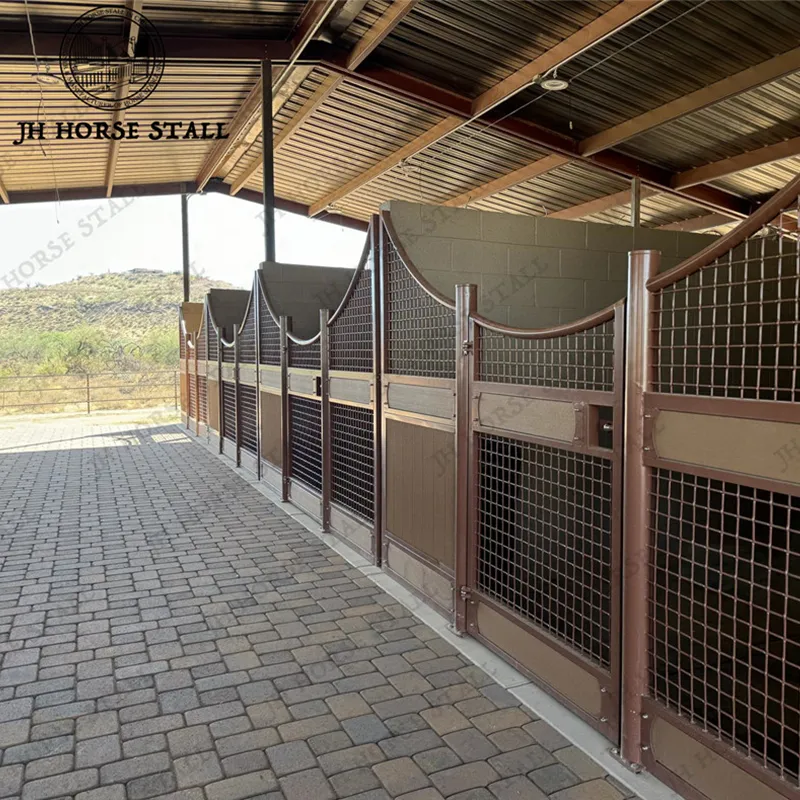
Stable construction utilizes a diverse array of materials, each presenting unique physical and chemical properties impacting long-term performance. Wood, particularly pressure-treated softwoods like pine and fir, remains a common structural component, offering a balance of cost-effectiveness and workability. However, wood is susceptible to rot, insect infestation, and fire damage, necessitating regular maintenance and chemical treatments. Steel, often employed in roofing systems and stall construction, provides superior structural strength and durability but is prone to corrosion, especially in environments with high humidity or saline exposure. Galvanization, powder coating, and other protective finishes are critical for mitigating corrosion. Concrete foundations are standard, offering robust support and resistance to ground movement. The concrete mix design must account for freeze-thaw cycles in colder climates. Flooring materials include clay, rubber matting, and concrete. Clay provides cushioning but requires meticulous maintenance to prevent dust and ammonia buildup. Rubber matting offers improved comfort and hygiene but can be susceptible to damage from equine hooves and cleaning agents. Manufacturing processes vary significantly. Wood components are typically sawn, planed, and joined using traditional carpentry techniques or engineered wood products (e.g., laminated beams). Steel structures are fabricated through welding, bolting, and riveting. Concrete is cast in situ or pre-cast offsite. Stall components (walls, doors, dividers) often involve a combination of these processes. Critical parameter control during manufacturing includes wood moisture content (to prevent warping and cracking), steel weld quality (to ensure structural integrity), and concrete curing time and temperature (to achieve optimal strength and durability).
Performance & Engineering
Stable performance is dictated by a complex interplay of forces and environmental factors. Structural engineering focuses on ensuring the stable can withstand static loads (weight of the structure, snow load, wind load) and dynamic loads (equine movement, impact). Force analysis incorporates considerations for roof span, wall bracing, and foundation support. Environmental control is paramount for equine health. Adequate ventilation is essential to remove ammonia, dust, and moisture, preventing respiratory problems. Ventilation systems must balance airflow with thermal comfort, avoiding drafts. Temperature regulation is crucial, particularly in extreme climates. Insulation materials and strategic building orientation can minimize heat gain or loss. Humidity control prevents mold growth and respiratory irritation. Compliance requirements vary by jurisdiction but generally encompass building codes, fire safety regulations, and animal welfare standards. Functional implementation involves the layout of stalls, aisles, and ancillary spaces (feed storage, tack rooms). Stall size must accommodate the horse's dimensions, allowing sufficient space for movement and lying down. Stall design should minimize the risk of injury, using smooth surfaces and avoiding protruding objects. The biomechanics of equine behavior within the stable must be considered. Horses tend to establish preferred resting positions and exhibit stereotypic behaviors (e.g., weaving, cribbing) in response to stress or boredom. Stable design should facilitate natural behaviors and minimize stress.
Technical Specifications
| Parameter | Unit | Typical Value (Wood Frame Stable) | Typical Value (Steel Frame Stable) |
|---|---|---|---|
| Roof Load Capacity (Snow) | kg/m² | 150-250 (depending on region) | 200-300 |
| Wind Load Resistance | km/h | 120-160 (depending on region) | 180-220 |
| Wood Moisture Content | % | 12-18 | N/A |
| Steel Yield Strength | MPa | N/A | 250-350 |
| Ventilation Rate (per horse) | m³/h | 200-400 | 200-400 |
| Stall Floor Area (Minimum) | m² | 10-12 | 10-12 |
Failure Mode & Maintenance
Stable structures are susceptible to various failure modes. Wood-frame stables are prone to rot, particularly in areas exposed to moisture (e.g., foundations, roof eaves). Insect infestation (termites, carpenter ants) can compromise structural integrity. Cracking and warping of wood can occur due to changes in moisture content. Steel-frame stables are susceptible to corrosion, leading to weakening of structural members. Weld failures can occur due to improper welding techniques or fatigue. Concrete foundations can crack due to settlement, freeze-thaw cycles, or seismic activity. Flooring materials can degrade over time due to wear and tear, chemical exposure, or biological activity. Failure analysis requires a thorough inspection to identify the root cause of the problem. Maintenance solutions include regular wood treatment with preservatives, corrosion control measures for steel structures, crack repair for concrete foundations, and replacement of damaged flooring materials. Preventative maintenance is crucial, including regular inspections, cleaning, and timely repairs. Monitoring moisture levels, controlling ventilation, and implementing a pest control program are essential preventative measures. Equine behavior can also contribute to failure modes. Horses may chew on wood, kick stall walls, or paw at flooring, causing damage. Providing enrichment and appropriate stall design can mitigate these behaviors.
Industry FAQ
Q: What is the optimal ventilation rate for a stable housing multiple horses?
A: The optimal ventilation rate depends on the number of horses, stable size, climate, and type of bedding used. As a general guideline, a minimum of 200-400 cubic meters per hour per horse is recommended. Higher rates may be necessary in warmer climates or with ammonia-producing bedding materials like straw. Mechanical ventilation systems with adjustable fan speeds are often used to maintain consistent airflow.
Q: What are the key considerations when selecting flooring materials for horse stalls?
A: Flooring should prioritize equine comfort, hygiene, and safety. Factors to consider include cushioning, traction, durability, ease of cleaning, and cost. Clay provides good cushioning but requires frequent maintenance. Rubber matting offers improved hygiene and comfort but can be damaged by hooves. Concrete is durable but can be hard and unforgiving. A combination of materials may be optimal, such as a concrete base with rubber matting on top.
Q: How can I prevent wood rot in a wooden stable structure?
A: Preventing wood rot requires a multi-faceted approach. Use pressure-treated lumber for all structural components. Apply a water-repellent sealant to exposed surfaces. Ensure adequate ventilation to reduce moisture buildup. Regularly inspect for signs of rot and address them promptly. Maintain proper drainage around the stable foundation. Consider using rot-resistant wood species, such as cedar or redwood.
Q: What are the implications of using galvanized steel versus powder-coated steel in stable construction?
A: Both galvanization and powder coating protect steel from corrosion, but they differ in their application and performance. Galvanization involves applying a zinc coating to the steel, providing sacrificial corrosion protection. Powder coating applies a polymer coating, providing a barrier against moisture and chemicals. Powder coating typically offers superior aesthetic appeal and resistance to chipping and scratching. Galvanization can be more durable in harsh environments, but the zinc coating can eventually corrode over time.
Q: How important is stall size, and what are the minimum dimensions recommended?
A: Stall size is critically important for equine welfare. Horses need sufficient space to move comfortably, lie down, and rise without risk of injury. Minimum stall dimensions should be 3.6m x 3.6m (approximately 12ft x 12ft) for most horses. Larger stalls are recommended for draft horses or horses prone to claustrophobia. Stall height should be at least 2.4m (8ft).
Conclusion
The design and construction of horse stables represent a complex intersection of structural engineering, material science, and equine behavioral needs. Successful stable management hinges on a holistic understanding of these factors, prioritizing not only the physical protection of the animal but also its psychological well-being and long-term health. Careful material selection, robust construction practices, and diligent maintenance are essential for ensuring the structural integrity and functional performance of the stable environment.
Future advancements in stable technology will likely focus on incorporating smart sensors for monitoring environmental conditions, automated ventilation and temperature control systems, and innovative flooring materials that enhance equine comfort and reduce maintenance requirements. Furthermore, a growing emphasis on sustainable building practices will drive the adoption of eco-friendly materials and energy-efficient designs. Prioritizing research into equine behavior and welfare within confined environments will continue to refine stable design and management practices, ultimately contributing to improved horse health and performance.
-
horses in the stable song Material Science and Manufacturing
-
horse stable in minecraft Performance and Engineering
-
Horse in a stable Structural Engineering and Performance Analysis
-
boarding stables for horses Material Science and Manufacturing
-
Pasture Turnout will pasturing horses reduce stable vices Performance Analysis
-
toy horse stable Material Science and Manufacturing
-
our generation horse stable Material Science Manufacturing
-
stardew horse stable Performance Analysis
-
Stable horse Structural Performance Analysis
-
horses in the stable lyrics Data Integrity Analysis
-
horse riding stables Material Science and Manufacturing
-
Horse in stable Structural Engineering
-
horse boarding stable Performance Engineering
-
horse and stable toy Material Science
-
barbie horse stable Material Performance Analysis