



Apr . 01, 2024 17:55 Back to list
Horse Stables to Rent Performance and Engineering
Introduction
Horse stable rental costs represent a significant expenditure for equine owners, dictated by a complex interplay of location, facility amenities, and service inclusions. This guide provides an in-depth technical analysis of the factors influencing stable rental pricing, encompassing construction materials, structural integrity, environmental control systems, and associated maintenance protocols. The equestrian industry relies on standardized care practices, and understanding the cost drivers is critical for informed decision-making, budget allocation, and negotiation. This document will detail the core components impacting cost, from basic stall provision to full-board arrangements, focusing on the engineering and operational considerations that determine market value. The industry's current pain points include transparency in pricing, consistency in service quality, and ensuring facility safety and compliance with animal welfare standards.
Material Science & Manufacturing
Stable construction primarily utilizes wood, steel, and concrete, each possessing distinct properties impacting long-term durability and associated costs. Wood, traditionally favored for its aesthetic appeal and workability, typically consists of pressure-treated lumber (often Southern Yellow Pine) to resist fungal decay and insect infestation. The treatment process involves the infusion of preservatives like chromated copper arsenate (CCA) – though increasingly replaced by alternatives due to environmental concerns – or alkaline copper quaternary (ACQ). Steel framing, often galvanized to prevent corrosion, provides superior structural strength and fire resistance, but is subject to thermal expansion and potential condensation issues requiring proper insulation. Concrete foundations and flooring offer exceptional durability and sanitation, but are less forgiving in terms of impact absorption. Manufacturing processes vary from traditional carpentry and welding to pre-fabricated modular stable systems. Critical parameters in manufacturing include lumber moisture content (optimally 19-22% to minimize warping), weld integrity (meeting AWS D1.1 standards for structural steel welding), and concrete compressive strength (typically exceeding 3000 psi). Stall construction often incorporates rubber matting (typically EPDM rubber) for cushioning and hygiene, requiring consideration of tensile strength and abrasion resistance. Drainage systems are crucial, often employing perforated PVC piping and gravel backfill for effective water management. The choice of materials and manufacturing techniques directly impacts the lifespan, maintenance requirements, and ultimately, the rental cost of the stable.
Performance & Engineering
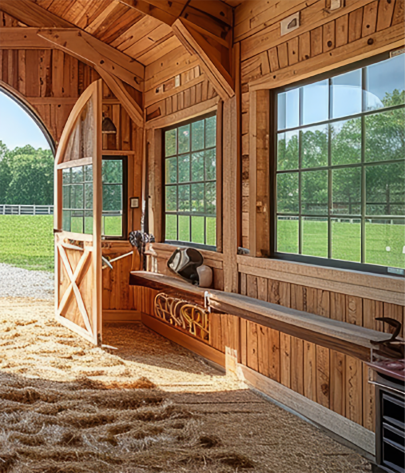
Stable structural performance is governed by load bearing capacity, wind resistance, and seismic considerations, depending on geographic location. Stall dimensions typically adhere to minimum standards outlined by equine welfare organizations (e.g., 12ft x 12ft for a standard horse), requiring calculations of distributed loads based on average horse weight (approximately 1000 lbs). Wall and roof construction must withstand wind loads as defined by local building codes (ASCE 7). In seismic zones, bracing and foundation anchoring are critical for preventing structural failure. Environmental control is paramount, encompassing ventilation, temperature regulation, and humidity control. Ventilation systems (natural or mechanical) must ensure adequate air exchange to minimize ammonia buildup and respiratory issues. Insulation materials (fiberglass, spray foam) reduce heat transfer, maintaining comfortable internal temperatures. Drainage systems must efficiently remove waste and prevent water accumulation, mitigating bacterial growth and odor. Fire safety is a major concern, requiring fire-resistant building materials, smoke detectors, and readily accessible escape routes. Electrical systems must be properly grounded and protected against moisture. Engineering considerations also extend to pasture management, including fencing (high-tensile wire, wood rails), gate design (ensuring secure closure), and water trough placement (providing access to fresh water). Compliance with local zoning regulations and building permits is essential.
Technical Specifications
| Stable Type | Construction Material | Stall Size (ft x ft) | Monthly Rental Cost (USD) |
|---|---|---|---|
| Basic Stall (Board Only) | Wood Frame, Concrete Floor | 12 x 12 | $300 - $600 |
| Standard Stall (Full Board) | Wood Frame, Rubber Matting, Concrete Floor | 12 x 12 | $700 - $1200 |
| Premium Stall (Full Board) | Steel Frame, Rubber Matting, Concrete Floor, Individual Run-Out | 12 x 14 | $1200 - $2000 |
| Foaling Stall | Wood Frame, Padded Walls, Rubber Matting | 14 x 14 | $1500 - $2500 |
| Mare & Foal Stall | Wood Frame, Rubber Matting, Divided Section | 16 x 16 | $1800 - $3000 |
| Isolated Quarantine Stall | Steel Frame, Concrete Floor, Separate Ventilation | 12 x 12 | $500 - $800 |
Failure Mode & Maintenance
Common stable failure modes include wood rot (due to moisture exposure), steel corrosion (from salt spray or humidity), concrete cracking (resulting from freeze-thaw cycles or excessive loading), and rubber matting degradation (caused by abrasion and UV exposure). Wood rot is often identified by discoloration and softening of the wood, requiring replacement of affected lumber. Steel corrosion manifests as rust formation, weakening the structural integrity and necessitating repair or replacement. Concrete cracking can lead to water infiltration and further deterioration, requiring patching or resurfacing. Rubber matting can tear or become brittle over time, requiring replacement. Regular maintenance is crucial for preventing these failures. This includes annual inspections for wood rot and corrosion, periodic re-staining or sealing of wood surfaces, cleaning and disinfecting stalls to prevent bacterial growth, and maintaining proper drainage to minimize moisture exposure. Structural failures can also occur due to inadequate foundation support or improper load distribution, necessitating engineering assessment and remedial measures. Preventative maintenance schedules should incorporate routine checks of fencing, gates, and water systems. Promptly addressing minor issues can prevent them from escalating into costly repairs.
Industry FAQ
Q: What is the typical lifespan of a wood-framed stable stall?
A: A properly maintained wood-framed stall, constructed with pressure-treated lumber and regular sealant applications, can have a lifespan of 15-20 years. However, this is heavily dependent on environmental conditions and the quality of initial construction. Regular inspections are critical to identify and address wood rot early on.
Q: How does stall size impact rental costs?
A: Larger stalls generally command higher rental rates due to increased material costs, greater space requirements, and the ability to accommodate larger horses. Premium stalls with individual run-outs or specialized features (e.g., foaling stalls) will also be priced higher.
Q: What are the key considerations for drainage systems in stables?
A: Effective drainage is crucial for preventing moisture buildup and bacterial growth. Systems should include sloped floors, perforated piping, and gravel backfill. Regular cleaning and maintenance are essential to prevent clogging. Proper drainage also mitigates odors and enhances hygiene.
Q: How does the inclusion of full-board services affect rental rates?
A: Full-board services (including feeding, watering, stall cleaning, and turnout) significantly increase rental rates, typically adding $400-$600 or more per month. The cost reflects the labor and resources required to provide comprehensive horse care.
Q: What safety certifications or inspections should I look for when renting a stable?
A: While no universal certification exists, reputable stables will prioritize safety. Inquire about fire safety protocols, emergency evacuation plans, and regular inspections of structural integrity and fencing. Evidence of adherence to equine welfare standards is also a positive indicator.
Conclusion
The rental cost of horse stables is a multifaceted equation heavily influenced by material selection, construction quality, facility amenities, and service inclusions. Understanding the underlying engineering principles and potential failure modes is essential for both stable owners and renters. By prioritizing robust construction, preventative maintenance, and adherence to industry best practices, long-term cost-effectiveness and equine welfare can be optimized.
Future trends in stable design will likely focus on sustainable materials, energy-efficient environmental control systems, and innovative stall configurations to enhance horse comfort and safety. Investing in high-quality construction and regular maintenance not only reduces long-term costs but also contributes to a healthier and more productive equine environment.
-
Morningside Stables at Columbia Horse Center Material Performance
-
melissa doug horse stable Material Science
-
lego friends stable horse Performance Analysis
-
large toy horse stable Construction and Performance Analysis
-
Horses Stables Material Properties
-
Horses in the stable dance Air Quality and Ventilation Engineering
-
horses in a stable lyrics Data Storage Infrastructure Analysis
-
Horse Stables Hiring Near Me Structural Performance Analysis
-
Horse Stables Boarding Material Performance Analysis
-
horse stable toys Material Science and Manufacturing
-
horse stable gate Performance Engineering
-
Horse Stable Design Material Performance
-
horse stable blanket Performance Analysis
-
horse barns and stables Material Science and Manufacturing
-
cumberland falls horse riding stables Material Science and Manufacturing