



Apr . 01, 2024 17:55 Back to list
Horse Stabling how much does stabling a horse cost Performance Analysis
Introduction
The financial commitment associated with horse stabling represents a significant component of overall equine ownership costs. This guide provides an in-depth analysis of the factors determining these costs, moving beyond simple board fees to encompass infrastructure, resource consumption, and ancillary expenses. Stabling, in its broadest definition, comprises the provision of shelter, feed, and basic care for equines. Historically, stabling was solely dictated by climatic necessity and protection from predation. Today, it incorporates sophisticated considerations relating to equine health, performance, and welfare, impacting both the direct monetary outlay and the long-term economic viability of horse ownership. Understanding the nuanced cost structure is crucial for both horse owners and those involved in the commercial provision of stabling services. Core performance considerations involve adequate space, ventilation, footing materials, and waste management systems, all influencing equine health and athletic capability. The following sections dissect these elements, outlining material specifications, operational parameters, and potential failure points, ultimately aiming to provide a comprehensive cost assessment.
Material Science & Manufacturing
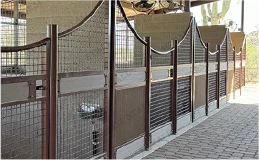
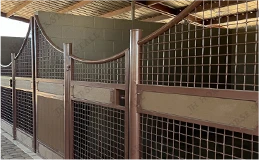
The construction of stabling facilities relies on a range of materials, each exhibiting unique physical and chemical properties impacting both initial cost and long-term maintenance. Timber, traditionally a primary building material, offers cost-effectiveness and aesthetic appeal but requires regular treatment for rot and insect infestation. Common timber species include pressure-treated pine, oak, and hardwood alternatives. The treatment process, typically involving chromated copper arsenate (CCA) or alternative compounds, imparts resistance to fungal decay but introduces environmental concerns regarding arsenic leaching. Steel, particularly galvanized steel, provides superior structural integrity and durability but is subject to corrosion, necessitating periodic protective coatings. The galvanization process involves immersing the steel in molten zinc, creating a sacrificial layer that corrodes preferentially. Concrete, often used for flooring and foundations, offers excellent compressive strength and longevity. However, concrete is susceptible to cracking due to thermal expansion and contraction and requires proper sealing to prevent water ingress. Bedding materials, crucial for equine comfort and hygiene, range from straw and hay to wood shavings and specialized synthetic alternatives. Straw, a byproduct of grain harvesting, is relatively inexpensive but requires frequent replacement due to its absorbency and potential for dust generation. Wood shavings, produced from softwood trees, offer improved absorbency and dust control but can be more costly. Manufacturing processes for stabling components include timber framing (carpentry), metal fabrication (welding, cutting, and forming), and concrete casting (formwork, reinforcement, and pouring). Proper parameter control, such as moisture content in timber, weld quality in steel structures, and concrete mix design, is critical for ensuring structural integrity and longevity.
Performance & Engineering
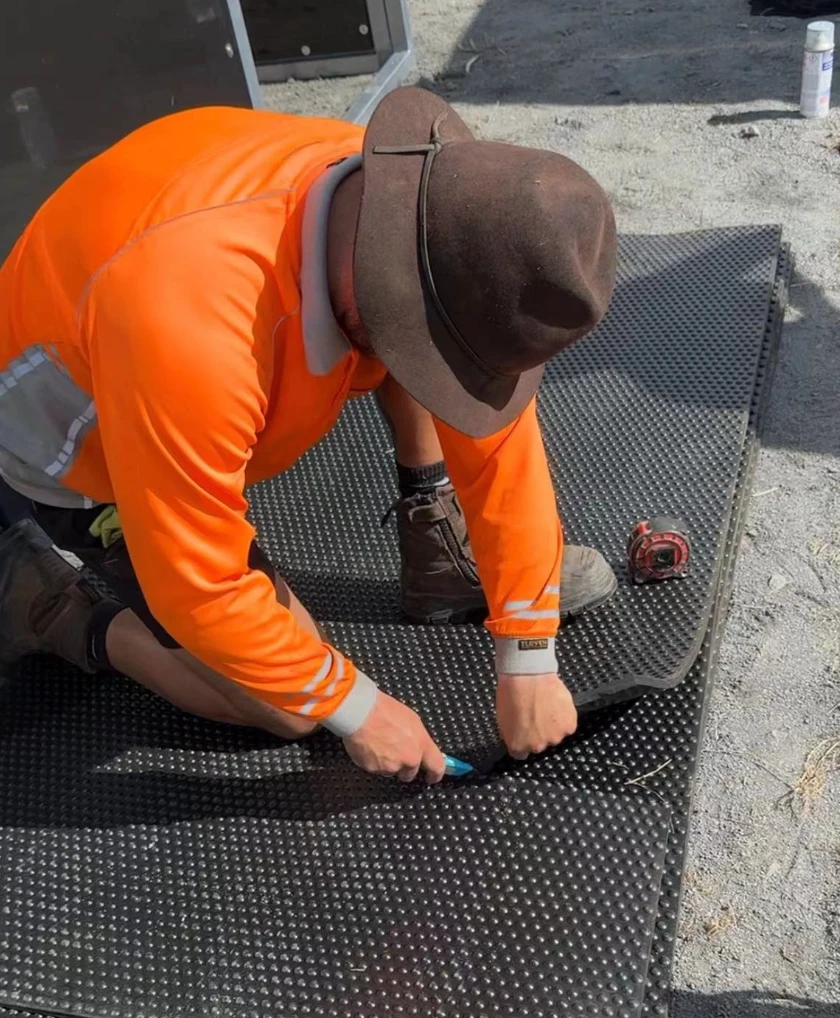
Stabling performance is determined by a complex interplay of structural mechanics, environmental control, and waste management principles. Structural engineering considerations include load-bearing capacity (to withstand the weight of horses and snow loads), wind resistance, and seismic stability. Stall dimensions are governed by equine size and breed, with minimum requirements typically stipulated by regulatory bodies. Ventilation is paramount for maintaining air quality, preventing ammonia buildup (from urine), and mitigating respiratory issues. Natural ventilation relies on strategically placed openings, while mechanical ventilation employs fans and air exchange systems. Forced ventilation requires significant energy input, impacting operational costs. Drainage systems must effectively remove wastewater (from washing and urine) to prevent waterlogging and bacterial contamination. Manure management presents a significant engineering challenge, requiring appropriate storage facilities and disposal methods. Composting is a sustainable option, but requires proper aeration and moisture control. The design of stall flooring impacts equine comfort and reduces the risk of injury. Common flooring materials include clay, sand, rubber mats, and concrete. Rubber mats offer cushioning and improve traction but are susceptible to damage from equine hooves. Environmental resistance is crucial, particularly in regions with harsh climates. Stabling facilities must be designed to withstand extreme temperatures, heavy rainfall, and strong winds. Compliance requirements vary by jurisdiction, often encompassing building codes, animal welfare regulations, and environmental protection standards.
Technical Specifications
| Stall Dimensions (Internal) | Timber Grade (Stall Walls) | Galvanization Coating Thickness (Steel Framing) | Bedding Material Absorbency (grams/gram) |
|---|---|---|---|
| 12ft x 12ft (3.66m x 3.66m) – Standard | Select Structural Pine (SPF) – KD | G90 (0.9 oz/ft² or 275 g/m²) | Straw: 300-400% |
| 14ft x 14ft (4.27m x 4.27m) – Large Horse | Douglas Fir – No. 1 Grade | G120 (1.2 oz/ft² or 366 g/m²) | Wood Shavings: 400-600% |
| 10ft x 10ft (3.05m x 3.05m) – Pony Stall | Pressure Treated Pine – .40 retention | G60 (0.6 oz/ft² or 183 g/m²) | Hemp Bedding: 500-700% |
| 16ft x 16ft (4.88m x 4.88m) – Foaling Stall | Oak – Quarter Sawn | G150 (1.5 oz/ft² or 457 g/m²) | Pelleted Bedding: 250-350% |
| Ventilation Rate (Air Changes/Hour) | Timber Moisture Content (%) | Concrete Compressive Strength (PSI) | Manure Storage Capacity (cubic meters/horse/year) |
| 4-6 ACH | 12-15% | 3000-4000 PSI | 6-10 m³/horse/year |
Failure Mode & Maintenance
Stabling structures are susceptible to a range of failure modes impacting both functionality and safety. Timber stalls can experience rot, insect infestation, and structural weakness due to prolonged moisture exposure. Regular inspections and preventative treatments (wood preservatives) are essential. Steel structures are prone to corrosion, particularly in coastal environments or areas with high humidity. Corrosion manifests as rust formation, weakening the metal and compromising structural integrity. Protective coatings (paint, galvanization) require periodic reapplication. Concrete structures can crack due to thermal stress, settlement, or impact damage. Cracks provide pathways for water ingress, accelerating deterioration. Proper sealing and repair are crucial. Bedding materials can degrade over time, losing their absorbency and becoming breeding grounds for bacteria. Regular replacement is necessary. Failure of ventilation systems can lead to poor air quality, increasing the risk of respiratory disease in horses. Maintenance includes cleaning filters, repairing fans, and ensuring adequate airflow. A common failure in drainage systems is blockage due to accumulated manure and debris. Regular flushing and cleaning are essential to maintain functionality. Proactive maintenance, based on a scheduled inspection program, is far more cost-effective than reactive repairs necessitated by catastrophic failure.
Industry FAQ
Q: What is the typical lifespan of a timber stall, and what maintenance is required to maximize its longevity?
A: A well-maintained timber stall constructed from quality materials can have a lifespan of 20-30 years. Key maintenance includes annual inspections for rot and insect damage, application of wood preservatives every 2-3 years, and prompt repair of any damaged components. Replacing lower sections of the stall prone to moisture damage is often necessary.
Q: How does the choice of bedding material impact long-term costs, considering both purchase price and labor for mucking?
A: While straw is initially cheaper, its lower absorbency necessitates more frequent mucking, increasing labor costs. Wood shavings offer a better balance of absorbency and cost, reducing mucking frequency. Synthetic bedding, while expensive upfront, can significantly reduce labor and waste volume.
Q: What are the key considerations when designing a manure management system to comply with environmental regulations?
A: Regulations typically dictate proper storage of manure to prevent water contamination. Composting is a preferred method, but requires adherence to specific temperature and aeration protocols. Storage facilities must be impermeable to prevent leachate runoff. Documentation of manure management practices is often required.
Q: What is the cost benefit of installing rubber stall mats versus maintaining a deep bedding system?
A: Rubber mats reduce bedding consumption, lowering material costs. They also provide cushioning, reducing the risk of leg injuries. However, mats require cleaning and periodic replacement. A deep bedding system requires significantly more bedding but avoids the initial investment in mats.
Q: How does climate influence stabling costs, specifically regarding ventilation and heating/cooling requirements?
A: Hot, humid climates necessitate robust ventilation systems to prevent overheating and respiratory issues. Cold climates require insulation and potentially heating to maintain comfortable temperatures. High wind areas demand structurally reinforced stalls to withstand wind loads. Climate also impacts bedding needs – increased humidity requires more absorbent bedding.
Conclusion
The cost of stabling a horse is a multifaceted calculation extending far beyond the simple monthly board fee. Material selection, construction quality, environmental control systems, and diligent maintenance all contribute significantly to the overall financial burden. Understanding the interplay between these factors is essential for both horse owners seeking to optimize their budget and stabling facility operators aiming to deliver cost-effective services. The initial investment in durable materials and well-engineered systems often translates to lower long-term maintenance costs and improved equine welfare.
Looking forward, advancements in materials science and automation offer potential avenues for reducing stabling costs. The development of sustainable bedding alternatives, automated waste management systems, and energy-efficient ventilation technologies will likely reshape the industry landscape. Furthermore, adherence to industry best practices and compliance with evolving environmental regulations are crucial for ensuring the long-term viability and responsible operation of stabling facilities.
-
Horse Stable Structural Integrity and Performance
-
small horse stable minecraft Structural Analysis
-
schleich horse stable Material Science and Manufacturing
-
rocking horse stables Material Science Manufacturing
-
pure gold horse stables Structural Analysis
-
Morningside Stables at Columbia Horse Center Material Performance
-
melissa doug horse stable Material Science
-
lego friends stable horse Performance Analysis
-
large toy horse stable Construction and Performance Analysis
-
Horses Stables Material Properties
-
Horses in the stable dance Air Quality and Ventilation Engineering
-
horses in a stable lyrics Data Storage Infrastructure Analysis
-
Horse Stables Hiring Near Me Structural Performance Analysis
-
Horse Stables Boarding Material Performance Analysis
-
horse stable toys Material Science and Manufacturing