



Apr . 01, 2024 17:55 Back to list
Horse Stabling how much is it to stable a horse Cost Analysis
Introduction
The economic viability of equine husbandry, specifically the costs associated with stable maintenance, represents a significant operational expenditure for horse owners, breeders, and equestrian facilities. This guide details the multifaceted expenses involved in maintaining a horse in a stable environment, moving beyond basic feed and farrier costs to encompass infrastructure, environmental control, waste management, and preventative healthcare. Stable maintenance costs are influenced by geographic location, facility type (private vs. commercial), horse breed and size, and the level of care provided. Fluctuations in energy prices, material costs, and labor rates further contribute to the dynamic nature of these expenses. Understanding these components is crucial for accurate budgeting, financial planning, and ensuring optimal equine welfare. The industry currently faces pain points related to increasing operational costs compounded by stringent environmental regulations regarding waste disposal and water usage, necessitating innovative and cost-effective solutions.
Material Science & Manufacturing
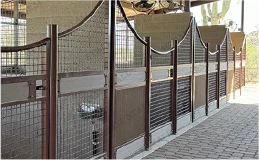
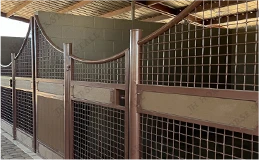
Stable construction relies heavily on material science principles to ensure structural integrity, thermal regulation, and hygiene. Traditionally, stables are constructed from wood (primarily pressure-treated pine or hardwoods like oak), steel, and concrete. Wood provides natural insulation and aesthetic appeal but is susceptible to rot, insect infestation, and fire. Steel offers superior strength and durability but requires corrosion protection (galvanization or powder coating) to prevent rust. Concrete provides a robust foundation and flooring material but can be cold and uncomfortable for horses without appropriate bedding. Modern stable materials increasingly incorporate engineered wood products (e.g., laminated veneer lumber – LVL) for enhanced strength and dimensional stability, and composite materials for roofing and siding. Bedding materials, critical for equine comfort and hygiene, include straw (cellulose-based), wood shavings (lignocellulose), peat moss (partially decomposed organic matter), and synthetic alternatives like shredded paper or rubber mats. Each material possesses unique properties impacting absorbency, dust levels, decomposition rates, and cost. Manufacturing processes vary, from traditional timber framing and welding of steel structures to the thermoforming of plastic components for feed and water troughs. Parameter control, such as moisture content in wood, weld quality in steel, and polymer density in plastics, is vital to ensure material performance and longevity. Ventilation systems utilize fans, louvers, and natural convection principles manufactured from galvanized steel and engineered plastics, needing precise airflow calculation and construction.

Performance & Engineering
Stable performance is assessed through several engineering perspectives. Structural integrity, governed by principles of statics and materials science, ensures the stable can withstand anticipated loads from horses, wind, and snow. Force analysis considers live loads (animal weight), dead loads (building materials), and environmental loads. Environmental resistance is paramount, encompassing thermal regulation, ventilation, and drainage. Effective ventilation minimizes ammonia buildup from urine and manure, reducing respiratory issues in horses. Thermal mass (provided by concrete or heavy timber) and insulation materials mitigate temperature fluctuations. Drainage systems prevent water accumulation, minimizing the risk of mud, bacterial growth, and structural damage. Compliance requirements vary by jurisdiction, encompassing building codes, fire safety regulations, and animal welfare standards. For example, stable flooring must provide adequate traction to prevent slips and falls. Feed and water troughs must be constructed from non-toxic materials and positioned to minimize spillage and contamination. Electrical systems must be properly grounded and protected to prevent fires and electrocution. Waste management systems must comply with local environmental regulations regarding manure storage and disposal. Furthermore, bio-security protocols, including stable sanitation and pest control, are critical for preventing the spread of infectious diseases.
Technical Specifications
| Parameter | Units | Typical Range (Private Stable) | Typical Range (Commercial Facility) |
|---|---|---|---|
| Stable Construction Cost (per square foot) | USD | $80 - $150 | $120 - $250 |
| Annual Bedding Cost (per horse) | USD | $400 - $800 | $600 - $1200 |
| Annual Feed Cost (per horse) | USD | $2,000 - $4,000 | $2,500 - $5,000 |
| Annual Veterinary Care (per horse) | USD | $500 - $1,500 | $800 - $2,000 |
| Annual Farrier Services (per horse) | USD | $600 - $1,200 | $800 - $1,500 |
| Annual Electricity Cost (Ventilation/Lighting) | USD | $200 - $500 | $500 - $1,000 |
Failure Mode & Maintenance
Stable failure modes encompass structural deficiencies, material degradation, and system malfunctions. Wood structures are susceptible to rot, termite infestation, and cracking due to moisture fluctuations. Steel structures can corrode, leading to loss of strength and structural instability. Concrete can crack and spall due to freeze-thaw cycles or excessive loading. Bedding materials can decompose, generating heat and ammonia, and becoming ineffective at absorbing moisture. Ventilation systems can malfunction due to fan failure, clogged filters, or inadequate ductwork design. Water systems can leak, leading to water wastage and potential electrical hazards. Preventative maintenance is crucial for mitigating these failures. Regular inspections should identify signs of wood rot, steel corrosion, and concrete cracking. Wood structures should be treated with preservatives and sealants. Steel structures should be repainted or recoated as needed. Concrete cracks should be repaired promptly. Bedding should be replaced regularly and stored in a dry location. Ventilation systems should be cleaned and maintained according to manufacturer’s recommendations. Water systems should be inspected for leaks and repaired promptly. Routine electrical safety checks are also recommended. Failure to address these maintenance issues can lead to costly repairs, structural failures, and potentially dangerous conditions for both horses and humans.
Industry FAQ
Q: What is the optimal bedding material for a horse with respiratory sensitivities?
A: For horses with respiratory sensitivities, low-dust bedding options are crucial. Wood shavings, particularly kiln-dried shavings, are generally preferred over straw due to lower dust content. Shredded paper or rubber mats offer even lower dust levels, but may require more frequent cleaning and have different comfort characteristics. Peat moss, while absorbent, can also contain dust and fungal spores, making it less suitable. Careful consideration of the horse’s individual needs and the local availability of these materials is paramount.
Q: How often should stable ventilation systems be inspected and maintained?
A: Stable ventilation systems should undergo a comprehensive inspection at least twice yearly—once before the peak heat of summer and once before the coldest part of winter. Monthly checks of fan operation, filter cleanliness, and airflow are recommended. Regular filter replacement (typically every 3-6 months, depending on dust levels) is critical for maintaining air quality and system efficiency. Ductwork should be inspected for blockages or damage. Professional servicing by a qualified HVAC technician is advisable annually.
Q: What are the key factors influencing electricity consumption in a stable environment?
A: The primary drivers of electricity consumption in a stable are ventilation fans, lighting, and heating/cooling systems (if applicable). Using energy-efficient fans and LED lighting can significantly reduce energy costs. Optimizing ventilation strategies to minimize fan runtime, such as utilizing natural airflow when possible, is also important. Properly insulating the stable structure can reduce heating and cooling demands. Implementing motion sensors for lighting in low-traffic areas can further conserve energy.
Q: What are the best practices for manure management to minimize environmental impact and odor?
A: Effective manure management is essential for both environmental protection and odor control. Composting is a preferred method, as it reduces manure volume, eliminates pathogens, and creates a valuable soil amendment. Composting requires proper aeration, moisture control, and carbon-to-nitrogen ratio. Alternatively, manure can be stored in covered lagoons or tanks to prevent runoff and odor emissions. Local regulations regarding manure storage and disposal must be strictly adhered to. Regular removal of manure from the stable is crucial to prevent ammonia buildup and maintain hygiene.
Q: What is the typical lifespan of a well-maintained wooden stable structure?
A: With proper maintenance, a well-constructed wooden stable structure can have a lifespan of 30-50 years, or even longer. However, this lifespan is heavily dependent on the quality of the wood used, the effectiveness of the preservative treatments, and the diligence of the maintenance program. Regular inspections, prompt repairs of any damage, and periodic reapplication of preservatives are essential for maximizing the lifespan of the structure. Careful attention to drainage and moisture control can also significantly extend its durability.
Conclusion
Maintaining a horse in a stable environment involves a complex interplay of material science, engineering principles, and operational costs. Accurate budgeting requires a comprehensive understanding of these factors, encompassing construction, bedding, feed, veterinary care, and ongoing maintenance. Prioritizing preventative maintenance, adopting energy-efficient technologies, and implementing effective waste management practices are crucial for minimizing costs and ensuring optimal equine welfare. Furthermore, compliance with relevant building codes, animal welfare standards, and environmental regulations is essential for responsible and sustainable equine husbandry.
The future of stable maintenance likely involves increased adoption of smart technologies for environmental monitoring and control, such as automated ventilation systems and real-time air quality sensors. The development of more sustainable and cost-effective bedding materials is also a key area of innovation. Furthermore, the integration of circular economy principles, such as utilizing manure as a renewable energy source or creating value-added products from waste materials, holds significant potential for reducing environmental impact and improving economic viability.
-
barbie horse and stable Material Performance Analysis
-
toy horse stables Material Performance Analysis
-
Swan Lake Stables Horse Shows Material Science and Engineering
-
star stable horse names Technical Analysis
-
star stable app horses Technical Analysis
-
Horse Stable Structural Integrity and Performance
-
small horse stable minecraft Structural Analysis
-
schleich horse stable Material Science and Manufacturing
-
rocking horse stables Material Science Manufacturing
-
pure gold horse stables Structural Analysis
-
Morningside Stables at Columbia Horse Center Material Performance
-
melissa doug horse stable Material Science
-
lego friends stable horse Performance Analysis
-
large toy horse stable Construction and Performance Analysis
-
Horses Stables Material Properties