



Apr . 01, 2024 17:55 Back to list
Stable Capacity Analysis how many horses in a stable

Introduction
The optimal capacity of horses within a stable environment is a critical operational parameter, deeply influencing animal welfare, facility management, and overall productivity within equine-related industries. This guide provides a comprehensive technical analysis of the factors determining appropriate stocking density, encompassing considerations from animal physiology and behavior to structural engineering and ventilation requirements. Proper horse density directly impacts air quality, manure management, disease transmission rates, and the psychological well-being of the animals. This document aims to establish a data-driven framework for determining the ideal number of horses per stable, moving beyond anecdotal practices towards quantifiable, scientifically supported standards. The analysis will address prevailing industry pain points related to overcrowding, suboptimal environmental control, and the resultant negative consequences on horse health and performance. It considers the interplay between stall size, ventilation rates, waste accumulation, and the specific breed and purpose of the equine population. Furthermore, the discussion will address relevant legal and ethical considerations concerning animal housing.
Material Science & Manufacturing
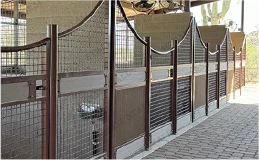
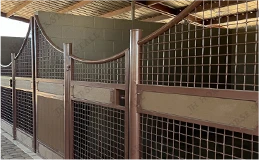
Stable construction fundamentally relies on material properties impacting structural integrity and environmental control. Wood (typically pressure-treated pine or hardwoods), concrete, steel, and aluminum are prevalent. Wood framing, while cost-effective, is susceptible to rot, insect infestation, and fire. Pressure treatment with preservatives like chromated copper arsenate (CCA) or alkaline copper quaternary (ACQ) extends wood’s lifespan but raises environmental concerns regarding leaching. Concrete provides durability and fire resistance, but exhibits lower thermal insulation. Steel offers high tensile strength for larger spans but is prone to corrosion without protective coatings (galvanization, epoxy paints). Aluminum is lightweight and corrosion-resistant but has lower strength and is comparatively expensive. Stall construction often utilizes wood or steel frames with infill panels made of wood, steel bars, or composite materials. The thermal properties of roofing materials (metal, asphalt shingles, clay tiles) impact stable temperature regulation. Manure management systems often involve concrete floors with sloped surfaces for drainage, coupled with gutters and piping manufactured from PVC or polyethylene. The chemical resistance of stall flooring materials is crucial to withstand the corrosive effects of urine and cleaning agents. Furthermore, stall mats (rubber, polyethylene foam) are used to improve horse comfort and reduce joint stress. The manufacturing process of these stall mats often includes vulcanization of rubber compounds, requiring precise temperature and pressure control to achieve desired density and resilience.

Performance & Engineering
Determining the appropriate number of horses per stable necessitates a robust engineering analysis focusing on ventilation, structural load, and waste management. Ventilation is paramount to maintain air quality, controlling ammonia levels (from urine), dust, and humidity. Ammonia concentrations above 25 ppm can cause respiratory irritation and increase susceptibility to infection. Ventilation systems (natural, mechanical) must provide sufficient air exchange rates, calculated based on metabolic heat production from the horses, ambient temperature, and stable volume. Structural analysis is crucial to ensure the stable can withstand the dynamic loads imposed by horses (weight, movement). This includes evaluating the load-bearing capacity of walls, floors, and roofing. The impact force from a horse kicking or rearing must be considered in the design of stall partitions and structural supports. Fluid dynamics principles are applied to manure management systems to optimize drainage and prevent pooling. The flow rate of wastewater, the efficiency of separation systems (solid-liquid), and the capacity of storage tanks are all critical parameters. Compliance requirements dictated by local zoning ordinances, building codes, and animal welfare regulations (e.g., USDA guidelines) must be rigorously adhered to. These regulations often specify minimum stall sizes, ventilation rates, and waste management practices. Furthermore, fire safety considerations, including fire-resistant materials and emergency egress routes, are integral to the design process. A detailed force analysis must be conducted to model the static and dynamic forces acting on the structure, ensuring its long-term stability.
Technical Specifications
| Horse Breed/Size | Stall Size (Minimum) - Width x Depth (ft) | Air Exchange Rate (ACH) - Minimum | Maximum Horses per 1000 sq ft Stable Area | Manure Production (lbs/day/horse) | Maximum Ammonia Concentration (ppm) |
|---|---|---|---|---|---|
| Pony (under 14.2 hands) | 8 x 8 | 8-10 | 12 | 8-12 | 25 |
| Light Horse (14.2 – 16 hands) | 10 x 10 | 10-12 | 8 | 12-18 | 25 |
| Heavy Horse (Over 16 hands) | 12 x 12 | 12-15 | 6 | 18-25 | 25 |
| Warmblood/Draft Cross | 12 x 12 - 14 x 14 | 12-15 | 5-7 | 20-30 | 25 |
| Foal (under 6 months) | 6 x 8 | 6-8 | 20 | 4-6 | 30 |
| Mare & Foal (6 months – 1 year) | 10 x 12 | 10-12 | 6-8 | 15-22 | 25 |
Failure Mode & Maintenance
Failure modes in stable construction and operation are diverse. Structural failures can result from wood rot, steel corrosion, or concrete cracking, often initiated by moisture ingress and inadequate maintenance. Ventilation systems can fail due to fan malfunctions, blocked air intakes, or ductwork leaks, leading to poor air quality and increased respiratory issues in horses. Manure management systems can experience failures due to pipe blockages, pump failures, or tank leaks, resulting in sanitation problems and environmental contamination. Stall partitions can suffer from fatigue cracking or breakage due to horse activity, posing a safety risk. Flooring materials can degrade from wear and tear, chemical exposure, or UV radiation. Regular inspections are crucial to identify potential failures early. Preventative maintenance includes wood preservation, corrosion protection, concrete sealing, fan servicing, and pipe flushing. Stall partitions should be inspected for damage and repaired or replaced as needed. Flooring should be cleaned regularly and replaced when worn. A proactive approach to maintenance minimizes downtime, reduces repair costs, and ensures the long-term safety and functionality of the stable. Failure analysis should be conducted whenever a failure occurs to identify the root cause and implement corrective actions to prevent recurrence. This includes metallurgical analysis of failed steel components, chemical analysis of degraded wood, and visual inspection of concrete structures for cracking patterns.
Industry FAQ
Q: What is the impact of stall flooring material on horse leg health?
A: Stall flooring significantly impacts horse leg health. Concrete flooring, while durable, is very hard and offers little shock absorption, increasing the risk of laminitis and joint stress. Rubber mats provide cushioning and improved traction, reducing the risk of injuries. Clay or peat bedding offers good cushioning but requires frequent replacement and can harbor bacteria. The optimal flooring material depends on the horse’s age, breed, and intended use; however, rubber matting over a compacted clay base is often recommended for its balance of comfort, safety, and ease of maintenance.
Q: How does stable ventilation affect respiratory disease prevalence?
A: Poor stable ventilation directly correlates with increased respiratory disease prevalence. High ammonia concentrations irritate the respiratory tract, weakening the horse's immune system and making them more susceptible to infections. Insufficient air exchange also allows airborne pathogens to accumulate. Maintaining adequate ventilation rates (as specified in the Technical Specifications table) is essential for removing ammonia, dust, and pathogens, reducing the risk of respiratory illnesses such as equine influenza and pneumonia.
Q: What are the key considerations for manure management system design?
A: Key considerations include the volume of manure produced, local regulations regarding waste disposal, and the available land area for storage. Effective manure management systems should separate solid and liquid waste, minimize odor, and prevent water contamination. Composting is a sustainable option, but requires proper temperature and moisture control. Storage tanks must be adequately sized to accommodate peak production periods. Regular removal and disposal of manure are crucial to maintain sanitation and prevent environmental pollution.
Q: How do stall size requirements vary based on horse breed and purpose?
A: Stall size requirements are directly linked to horse breed and purpose. Larger breeds, such as draft horses and warmbloods, require larger stalls to accommodate their size and allow for comfortable movement. Horses used for strenuous activity (e.g., racing, jumping) may require larger stalls to reduce the risk of injury. Foals require smaller stalls to provide a secure environment. The Technical Specifications table provides general guidelines, but individual horse needs should be assessed.
Q: What is the role of biosecurity in maintaining a healthy stable environment?
A: Biosecurity protocols are crucial for preventing the introduction and spread of infectious diseases. This includes restricting access to the stable, quarantining new arrivals, implementing strict hygiene practices (handwashing, disinfection of equipment), and vaccinating horses against common diseases. Regular monitoring of horse health and prompt isolation of sick animals are also essential components of a comprehensive biosecurity plan. Controlling rodent and insect populations, which can act as disease vectors, is also vital.
Conclusion
Determining the optimal number of horses within a stable is a multifaceted engineering challenge requiring careful consideration of animal welfare, structural integrity, environmental control, and regulatory compliance. This guide has demonstrated the critical interplay between material science, ventilation engineering, and manure management in achieving a safe, healthy, and productive equine facility. Adhering to the technical specifications outlined herein, and implementing a proactive maintenance program, is paramount to minimizing failure modes and ensuring the long-term sustainability of the stable environment.
Future research should focus on developing more sophisticated models for predicting ventilation requirements based on real-time environmental data and horse metabolic rates. Investigating novel stall flooring materials with enhanced shock absorption and antimicrobial properties is also warranted. Further refinement of manure management technologies, incorporating anaerobic digestion and nutrient recovery, can contribute to more sustainable and environmentally responsible equine operations. Continuous monitoring and adaptation of these practices are critical to address evolving industry challenges and maintain the highest standards of horse care.
-
Horses in the stable dance Air Quality and Ventilation Engineering
-
horses in a stable lyrics Data Storage Infrastructure Analysis
-
Horse Stables Hiring Near Me Structural Performance Analysis
-
Horse Stables Boarding Material Performance Analysis
-
horse stable toys Material Science and Manufacturing
-
horse stable gate Performance Engineering
-
Horse Stable Design Material Performance
-
horse stable blanket Performance Analysis
-
horse barns and stables Material Science and Manufacturing
-
cumberland falls horse riding stables Material Science and Manufacturing
-
Breyer Horse Stable Manufacturing Analysis
-
Black Horse Stables Construction and Performance
-
Barbie Stable and Horse Material Performance Analysis
-
arizona horses ponderosa stables Material Science and Manufacturing
-
lego friends horse stable Manufacturing Process and Performance Analysis