



Apr . 01, 2024 17:55 Back to list
Stable Design how much room does a horse need in a stable
Introduction
The provision of adequate stabling space for equines is a critical component of responsible horse husbandry, directly impacting animal welfare, health, and safety. This guide details the required dimensions for horse stalls, considering factors such as breed, size, age, and intended use (e.g., temporary confinement, long-term housing, foaling). Historically, stabling has evolved from rudimentary enclosures to sophisticated systems prioritizing equine comfort and facilitating efficient management. Understanding the biomechanical constraints of the horse – its natural movement patterns and postural needs – is paramount in determining appropriate stall dimensions. This analysis transcends simple square footage, delving into stall height, door width, and the impact of stall construction materials on overall suitability. The economic implications of space optimization within equestrian facilities are also considered, balancing cost-effectiveness with animal welfare standards. Improper stabling can lead to musculoskeletal issues, behavioral problems (stall weaving, cribbing), and increased risk of injury, emphasizing the importance of adhering to scientifically-backed guidelines and industry best practices.
Material Science & Manufacturing
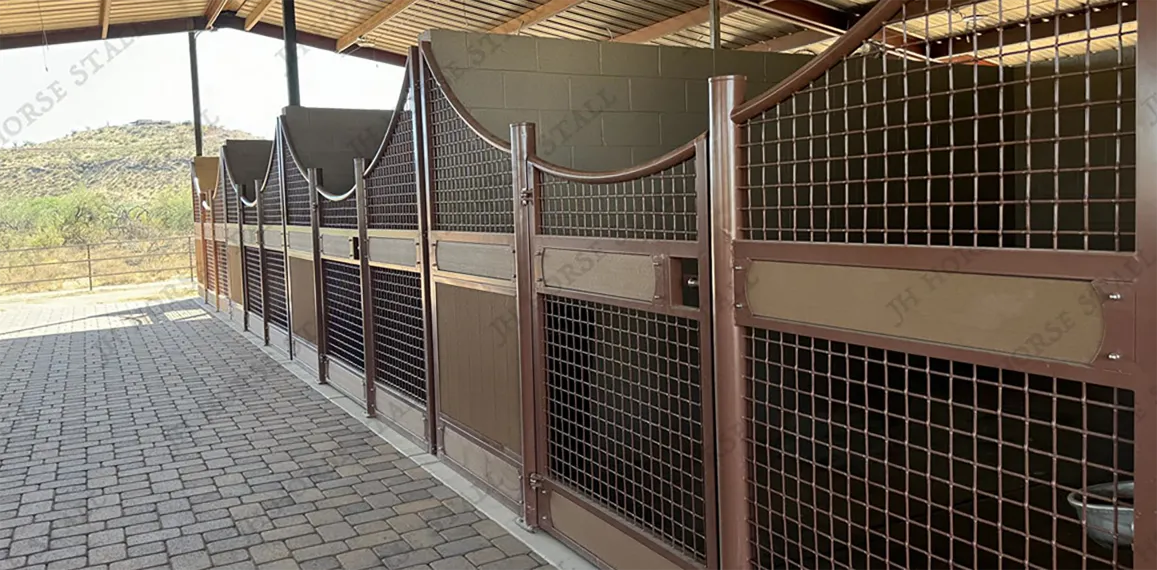
The construction of horse stalls fundamentally relies on material science principles governing strength, durability, and equine safety. Common stall materials include wood (typically hardwoods like oak, maple, or ash), steel, aluminum, and composite materials like polypropylene. Wood, while aesthetically pleasing, requires careful selection to avoid toxic species and ensure structural integrity. Its tensile strength varies significantly with grain orientation and moisture content. Steel offers superior strength and impact resistance, commonly employed in stall grids and framing. The choice of steel grade (e.g., A36, 1018) dictates weldability and corrosion resistance. Aluminum alloys provide a lightweight, corrosion-resistant alternative, though typically with lower load-bearing capacity. Composite plastics, particularly polypropylene, are gaining traction due to their low maintenance, hygienic properties, and resistance to chewing. Manufacturing processes include timber framing and joinery, steel welding (SMAW, GMAW, FCAW), aluminum extrusion and fabrication, and plastic thermoforming. Parameter control during manufacturing is vital. For steel, weld penetration, heat treatment, and surface preparation influence long-term performance. Wood requires proper drying and sealing to prevent warping and rot. Surface finishes, such as powder coating on steel or non-toxic paints on wood, are crucial for mitigating corrosion and ensuring equine safety.
Performance & Engineering
Stall design must account for several engineering principles to ensure structural stability and equine safety. Force analysis is crucial, considering the dynamic loads exerted by a horse shifting its weight, bracing against stall walls, or attempting to escape. Stall walls must withstand lateral forces, preventing buckling or collapse. The stall grid, if present, must be robust enough to resist impact from the horse's head and shoulders. Environmental resistance is also paramount. Stalls are exposed to moisture (urine, cleaning fluids), temperature fluctuations, and potentially corrosive elements (salt in coastal regions). Material selection and protective coatings must mitigate these effects. Compliance requirements vary by jurisdiction. Organizations like the American Society for Testing and Materials (ASTM) and local building codes may dictate minimum stall dimensions, ventilation rates, and fire safety standards. Functional implementation requires consideration of stall ventilation (natural or mechanical), drainage, and waste management systems. Stall floor surfaces (e.g., rubber mats, packed clay) influence traction and impact absorption, impacting equine limb health and comfort. The angle of stall corners should be minimized to reduce the risk of injury. Door mechanisms must operate smoothly and reliably, preventing accidental entrapment.
Technical Specifications
| Horse Size Category | Minimum Stall Width (ft) | Minimum Stall Depth (ft) | Minimum Stall Height (ft) |
|---|---|---|---|
| Pony (under 14.2 hands) | 8 | 8 | 8 |
| Small Horse (14.2 - 15.2 hands) | 10 | 10 | 8-9 |
| Medium Horse (15.2 - 16.2 hands) | 12 | 12 | 9-10 |
| Large Horse (16.2 - 17.2 hands) | 12-14 | 12-14 | 10-11 |
| Extra Large Horse (over 17.2 hands) | 14+ | 14+ | 11+ |
| Foaling Stall (Temporary) | 12 | 12 | 8-10 |
Failure Mode & Maintenance
Stall failures commonly manifest as structural damage, component degradation, and equine-related injuries. Wood stalls are susceptible to rot, termite infestation, and splintering, leading to weakened joints and potential collapse. Steel stalls can experience corrosion, particularly in high-humidity environments or where protective coatings are compromised. Weld fatigue cracking can occur under repeated stress. Aluminum stalls may exhibit corrosion pitting and fatigue failure at connection points. Composite materials can become brittle with prolonged UV exposure. Equine-related failures include injury from sharp edges, entrapment in stall grids, and collisions with stall walls. Preventive maintenance is critical. Regular inspections should identify loose hardware, damaged components, and areas of corrosion. Wood stalls require periodic sealing or painting. Steel structures benefit from rust preventative treatments and re-coating. Stall grids should be inspected for broken or bent bars. Flooring should be maintained to provide adequate traction and cushioning. Prompt repair of any identified issues is essential to prevent escalation and ensure equine safety. Record-keeping of maintenance activities is recommended for tracking long-term performance and identifying recurring failure patterns.
Industry FAQ
Q: What is the impact of stall flooring on equine leg health?
A: Stall flooring significantly impacts equine leg health. Hard surfaces like concrete increase concussion and stress on joints, potentially leading to laminitis or other musculoskeletal issues. Rubber mats provide cushioning and improved traction, reducing strain. Packed clay, while traditionally used, requires consistent maintenance to prevent unevenness and compaction. The ideal flooring material depends on the horse’s workload, age, and susceptibility to leg problems. A combination of a slightly sloped concrete base with thick rubber mats is often considered optimal.
Q: How does stall ventilation affect respiratory health?
A: Poor stall ventilation can lead to a buildup of ammonia and dust, irritating the horse’s respiratory system and increasing the risk of respiratory infections (e.g., heaves). Adequate ventilation removes airborne contaminants, maintains air quality, and prevents condensation. Natural ventilation (windows, doors) is sufficient in many climates, but mechanical ventilation may be necessary in enclosed barns or during extreme weather conditions. Ventilation rates should be tailored to the barn’s size and the number of horses housed.
Q: What is the recommended height for stall walls?
A: Stall wall height should be sufficient to prevent the horse from reaching over the top and escaping, while also allowing for adequate ventilation. Generally, a height of 8-11 feet is recommended, depending on the horse’s size. Taller walls are necessary for larger breeds. The top portion of the stall wall should incorporate a grill or open design to facilitate airflow.
Q: What considerations should be made when designing a foaling stall?
A: Foaling stalls require specific design considerations to ensure the safety of the mare and foal. They should be larger than standard stalls (12x12 ft minimum) to allow the mare to lie down and the foal to stand and nurse comfortably. The stall floor should be padded with thick bedding to cushion the foal’s fall. Stall walls should be smooth and free of sharp edges to prevent injury. A designated “safe corner” should be provided where the foal can be protected from the mare’s movements.
Q: Are there regulations governing stall construction in my region?
A: Stall construction regulations vary significantly by jurisdiction. It's crucial to consult local building codes and agricultural regulations to ensure compliance. Some regions may have specific requirements for stall dimensions, ventilation, fire safety, and waste management. Contacting your local agricultural extension office or building department can provide information on applicable regulations.
Conclusion
The determination of appropriate stabling dimensions for horses is a multifaceted process, intricately linked to animal welfare, engineering principles, and material science. Optimizing stall space is not simply a matter of minimizing area; rather, it necessitates a holistic understanding of equine biomechanics, environmental factors, and regulatory requirements. Proper stall design mitigates the risk of injury, promotes respiratory health, and enhances overall equine well-being.
Future advancements in stabling technology will likely focus on incorporating smart sensors to monitor stall conditions (temperature, humidity, air quality) and equine behavior, enabling proactive adjustments to optimize the environment. The development of more sustainable and durable stall materials will also be a key area of innovation. Continued research into equine postural needs and movement patterns will further refine stall design guidelines, ensuring that horses are provided with safe, comfortable, and enriching living environments.
-
barbie horse and stable Material Performance Analysis
-
toy horse stables Material Performance Analysis
-
Swan Lake Stables Horse Shows Material Science and Engineering
-
star stable horse names Technical Analysis
-
star stable app horses Technical Analysis
-
Horse Stable Structural Integrity and Performance
-
small horse stable minecraft Structural Analysis
-
schleich horse stable Material Science and Manufacturing
-
rocking horse stables Material Science Manufacturing
-
pure gold horse stables Structural Analysis
-
Morningside Stables at Columbia Horse Center Material Performance
-
melissa doug horse stable Material Science
-
lego friends stable horse Performance Analysis
-
large toy horse stable Construction and Performance Analysis
-
Horses Stables Material Properties