




Apr . 01, 2024 17:55 Back to list
Stable Dimensions how big should a stable be for a horse Performance Analysis
Introduction
Stable sizing for equines is a critical element of animal husbandry, directly impacting animal welfare, health, and operational efficiency. This guide details the engineering and biological considerations defining appropriate stable dimensions, moving beyond simple guidelines to a detailed assessment of equine biomechanics, ventilation requirements, and material properties relevant to stable construction. The provision of adequately sized stables isn’t merely a question of comfort; it's a preventative measure against musculoskeletal issues, respiratory disease, and behavioral problems. This document analyzes the optimal stable footprint, height, and material selection informed by decades of equine veterinary science and agricultural engineering best practices. We will examine the relationship between horse size (breed, height, weight) and the physiological demands that dictate appropriate stable dimensions, as well as compliance expectations regarding animal welfare standards.
Material Science & Manufacturing
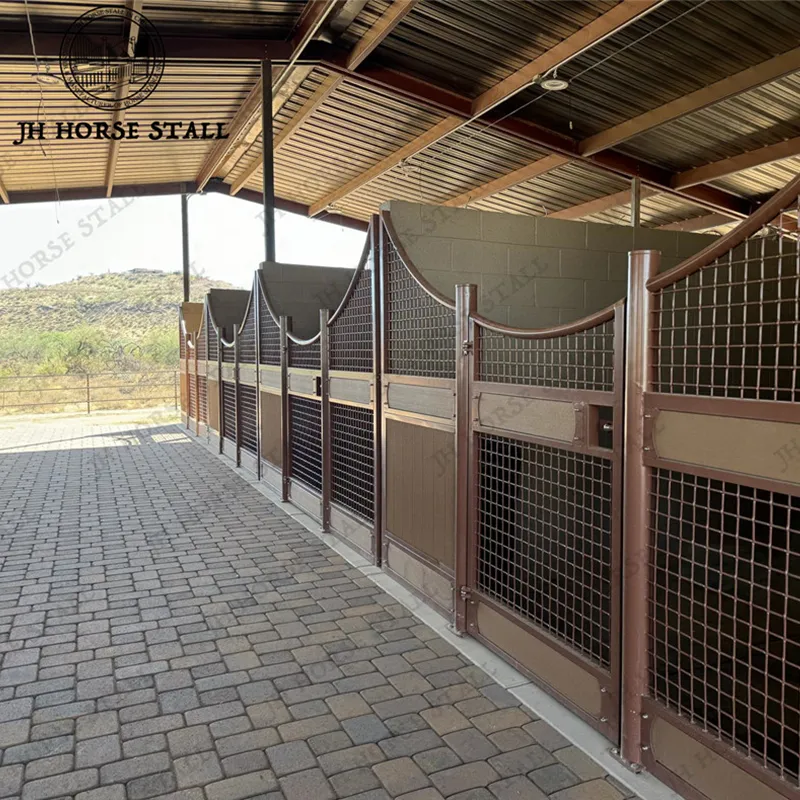
The construction materials utilized in stable fabrication significantly influence internal environmental parameters and structural integrity. Traditionally, timber (pressure-treated softwood like Pine or hardwoods like Oak) forms the core structural element, offering good insulation and workability. However, timber is susceptible to rot, insect infestation, and fire. Modern alternatives include steel framing (galvanized or stainless steel for corrosion resistance) and concrete blocks. Steel possesses high tensile strength, allowing for larger, open stable designs, but requires careful thermal management to avoid condensation. Concrete offers durability and fire resistance but is less thermally efficient and more difficult to modify. Flooring materials commonly include concrete (sealed to prevent dust and ammonia permeation), clay bricks, rubber matting (EPDM or recycled rubber composites), and wood shavings (as bedding). The choice of bedding affects stall hygiene, impact absorption, and respiratory health; shavings are generally preferred for their absorbency and dust control, though wood pellets and straw are also utilized. Manufacturing processes for stable components involve milling and joining timber using mortise-and-tenon, dovetail, or screw/bolt connections. Steel structures are fabricated through welding, bolting, and riveting. Parameter control during timber treatment (preservative concentration, drying time) and steel galvanization (zinc coating thickness) are crucial for longevity and corrosion prevention. The manufacturing process for rubber matting involves vulcanization, requiring precise control of temperature, pressure, and curing agents to achieve desired elasticity and durability.
Performance & Engineering
Stable design necessitates a comprehensive understanding of equine biomechanics and the forces exerted by a horse within its enclosure. A horse spends approximately 16-18 hours per day standing, demanding a floor surface that provides adequate shock absorption to minimize stress on joints and ligaments. Force plate analysis reveals peak vertical forces during locomotion and postural adjustments. Stable dimensions must allow for unrestricted movement, including turning, lying down, and standing up without injury. The minimum stall width should be 1.2 times the horse’s body length, while the depth should be at least 1.5 times the horse’s body width. Height must accommodate the horse’s head and neck without causing discomfort. Ventilation is paramount to maintain air quality and prevent respiratory issues. Natural ventilation relies on airflow through openings, while mechanical ventilation (fans, extraction systems) provides controlled airflow rates, mitigating ammonia, dust, and pathogens. Compliance requirements, dictated by organizations like the American Association of Equine Practitioners (AAEP) and local building codes, stipulate minimum stall sizes, ventilation rates, and safety features (e.g., breakaway stall doors, fire-resistant materials). Structural engineering calculations must account for dynamic loads imposed by a horse leaning against walls or kicking, ensuring the stability of the enclosure. Finite element analysis (FEA) can be employed to optimize structural design and minimize material usage.
Technical Specifications
| Horse Breed | Height (Hands) | Weight (lbs) | Minimum Stall Width (ft) | Minimum Stall Depth (ft) | Minimum Stall Height (ft) |
|---|---|---|---|---|---|
| Thoroughbred | 15.2 - 17 | 1100 - 1600 | 12 | 12 | 10 |
| Quarter Horse | 14.3 - 16 | 900 - 1300 | 11 | 11 | 9 |
| Arabian | 14.1 - 15.1 | 800 - 1100 | 10 | 10 | 9 |
| Draft Horse (Belgian) | 16 - 18 | 1800 - 2200 | 14 | 14 | 12 |
| Pony (Shetland) | 7 - 10 | 400 - 600 | 8 | 8 | 7 |
| Warmblood (Hanoverian) | 16 - 17.2 | 1200 - 1700 | 13 | 13 | 11 |
Failure Mode & Maintenance
Stable failures typically arise from material degradation, structural fatigue, and inadequate maintenance. Timber structures are prone to rot (caused by fungal growth in damp conditions), insect infestation (termites, woodworms), and cracking due to seasonal moisture changes. Steel structures can corrode (rusting) if the protective coating is compromised, leading to weakening of joints and potential collapse. Concrete can crack due to freeze-thaw cycles or excessive load, reducing its structural integrity. Bedding materials can become contaminated with ammonia and pathogens, creating a hazardous environment. Fatigue cracking can occur in stall doors and hardware due to repeated stress from the horse’s movements. Preventative maintenance involves regular inspection for signs of rot, corrosion, or cracking. Timber structures should be treated with preservatives periodically. Steel structures should be repainted or recoated as needed. Concrete cracks should be sealed to prevent water ingress. Bedding should be replaced regularly and stalls thoroughly cleaned. Stall hardware should be lubricated and adjusted to prevent loosening. A proactive maintenance schedule, including annual structural inspections by a qualified engineer, is essential to ensure the long-term safety and functionality of the stable.
Industry FAQ
Q: What is the impact of stall size on a horse’s social behavior?
A: Insufficient stall size can restrict natural behaviors like turning, kicking, and social interaction, leading to increased stress, boredom, and potentially aggressive behavior towards other horses. Larger stalls allow horses to establish a more comfortable territory and reduce the likelihood of conflict.
Q: How does ventilation affect respiratory health in horses?
A: Poor ventilation leads to the accumulation of ammonia, dust, and pathogens in the stable environment, increasing the risk of respiratory diseases like equine asthma and pneumonia. Adequate ventilation removes these irritants, maintaining good air quality and supporting respiratory health.
Q: What are the key considerations when selecting flooring materials?
A: Flooring materials should provide adequate shock absorption to minimize joint stress, be easy to clean and disinfect, and offer good traction to prevent slips and falls. The material should also be durable and resistant to wear and tear from horse traffic.
Q: What is the role of stall mats in preventing injury?
A: Stall mats provide cushioning, reducing the impact of a horse lying down and standing up. This cushioning minimizes stress on joints and ligaments, decreasing the risk of musculoskeletal injuries. They also improve comfort and hygiene.
Q: How often should stable structures be inspected for safety?
A: Stable structures should be inspected at least annually by a qualified engineer to identify potential hazards like rot, corrosion, or structural fatigue. Regular visual inspections by stable staff should also be conducted to identify minor issues before they escalate.
Conclusion
Determining the optimal stable size is a multifaceted engineering and biological challenge. It necessitates a careful consideration of equine biomechanics, environmental factors, material properties, and compliance standards. The dimensions outlined in this guide serve as a foundation, but should be adjusted based on individual horse characteristics (breed, size, age, activity level) and specific operational needs. Prioritizing horse welfare through appropriate stable design is not only ethically responsible but also contributes to improved animal health, reduced veterinary costs, and enhanced productivity.
Future advancements in stable technology may incorporate smart sensors to monitor environmental parameters (temperature, humidity, air quality) and provide real-time feedback for ventilation control. The development of novel bedding materials with improved absorbency and antimicrobial properties could further enhance stall hygiene and reduce respiratory risks. Continued research into equine biomechanics will refine our understanding of optimal stable design, leading to more comfortable and safer environments for these valuable animals.
-
toy horse with stable Performance Analysis
-
stables for horses Performance and Engineering
-
small horse stable floor plans Performance Analysis
-
minecraft horse stables Performance Engineering
-
melissa and doug horse stable Material Science and Manufacturing
-
horses in the stable song Material Science and Manufacturing
-
horse stable in minecraft Performance and Engineering
-
Horse in a stable Structural Engineering and Performance Analysis
-
boarding stables for horses Material Science and Manufacturing
-
Pasture Turnout will pasturing horses reduce stable vices Performance Analysis
-
toy horse stable Material Science and Manufacturing
-
our generation horse stable Material Science Manufacturing
-
stardew horse stable Performance Analysis
-
Stable horse Structural Performance Analysis
-
horses in the stable lyrics Data Integrity Analysis