



Apr . 01, 2024 17:55 Back to list
Stable Duration Analysis how long can you keep a horse in a stable
Introduction
The prolonged confinement of equines within stable structures represents a complex intersection of animal welfare, physiological limitations, and environmental control. Maintaining a horse in a stable for extended periods is not a simple matter of providing shelter; it necessitates a nuanced understanding of respiratory health, musculoskeletal integrity, and behavioral needs. This technical guide delineates the factors governing acceptable stabling duration, encompassing air quality parameters, substrate composition, exercise requirements, and preventative healthcare protocols. The economic implications for equine operations are also considered, alongside a review of relevant industry standards aimed at minimizing the detrimental effects of prolonged stabling on equine health and performance. This analysis positions stable management as a critical component of holistic equine husbandry, extending beyond basic shelter to encompass active health and well-being maintenance. The industry pain point lies in balancing economic efficiency with ethical animal care, particularly in intensive training or breeding scenarios.
Material Science & Manufacturing
The structural integrity and environmental performance of a stable directly impact the duration a horse can be safely housed within. Stable construction commonly utilizes timber (various species, treated for rot resistance), concrete (varying compressive strengths and aggregate composition), and steel (for structural supports and roofing). Wood, while providing natural insulation, is susceptible to fungal decay and insect infestation, demanding regular treatment with preservatives (e.g., copper naphthenate, borates). Concrete’s porosity dictates its moisture absorption rate and potential for efflorescence, requiring sealant applications. Steel components must undergo corrosion protection via galvanization or protective coatings. Bedding materials, essential for hygiene and comfort, vary widely in physical and chemical properties. Straw (Triticum aestivum) possesses good absorbency but is prone to dust generation and fungal growth. Wood shavings (typically pine or poplar) offer increased absorbency and lower dust levels, but can contain allergenic terpenes. Synthetic bedding (e.g., polypropylene, peat moss) provides superior absorbency and dust control, but raise concerns regarding biodegradability and potential ingestion by the horse. The selection of materials directly influences air quality (dust, ammonia), microbial load, and the risk of respiratory issues. Ventilation systems are often integrated, employing materials like galvanized steel ductwork and polymer fans, and their durability and air exchange rates are paramount. Parameter control focuses on moisture content of bedding (ideally <20%), ammonia levels (<25 ppm), and dust particle size (minimizing respirable fractions).
Performance & Engineering
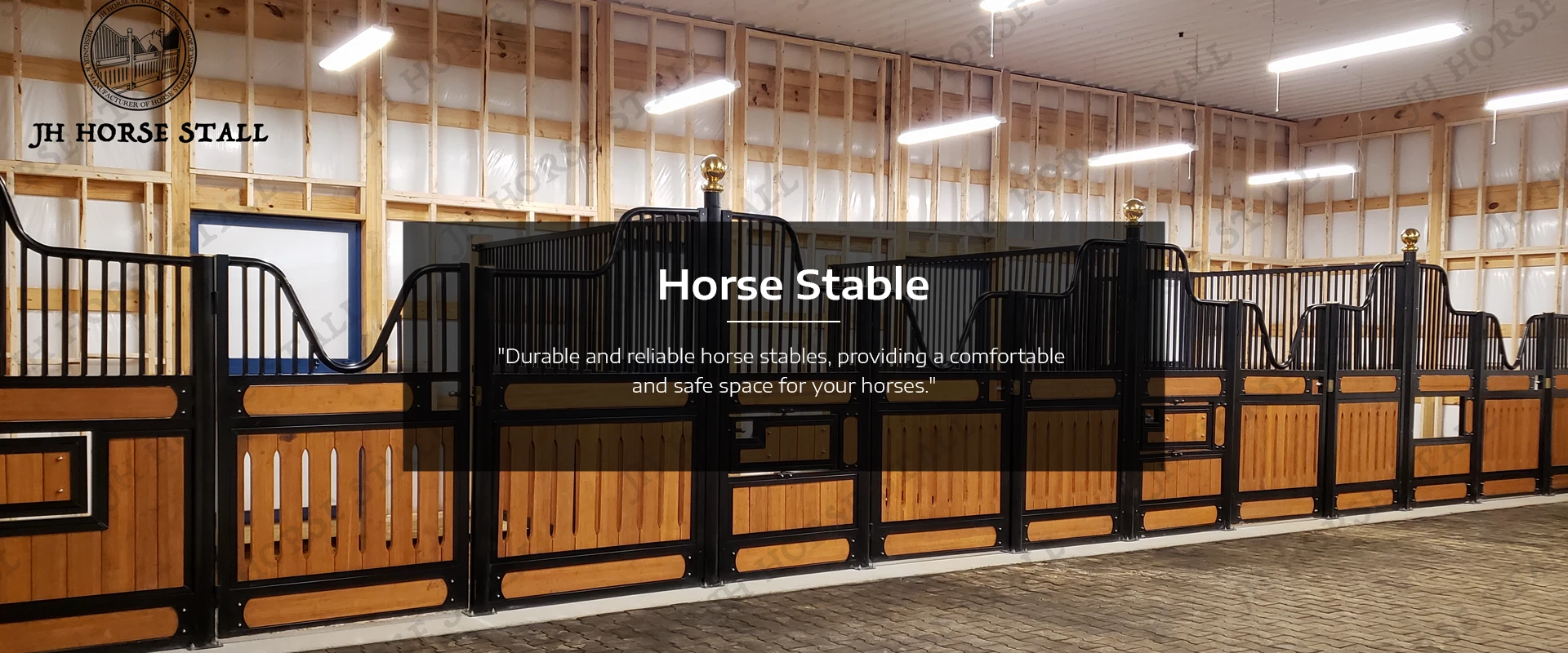
The engineering principles governing safe stabling duration center on mitigating physiological stress and preventing injury. Prolonged confinement restricts natural movement, leading to muscle atrophy, reduced cardiovascular function, and increased risk of laminitis and colic. Force analysis reveals that standing for extended periods places disproportionate load on the distal limbs, exacerbating pre-existing orthopedic conditions. Ventilation systems must be engineered to ensure adequate air exchange, removing ammonia (produced from urine and feces) which is a potent respiratory irritant. The stall design impacts airflow patterns; solid partitions impede ventilation, while barred or grated partitions promote better air circulation. Environmental resistance considerations include thermal stress (heat and cold) and humidity control. Horses have a narrow thermoneutral zone; excessive heat or cold increases metabolic demands and compromises immune function. Humidity levels influence bedding moisture content and microbial growth. Compliance requirements vary by jurisdiction, but generally mandate minimum stall sizes, ventilation standards, and hygiene protocols. Functional implementation necessitates a holistic approach encompassing stall design, bedding management, exercise programs (hand-walking, turnout), and preventative healthcare (vaccinations, deworming, dental care). Equine locomotion is fundamentally predicated on constant movement, thus, prolonged stabling fundamentally disrupts the animal’s biomechanical equilibrium.
Technical Specifications
| Parameter | Acceptable Range | Measurement Method | Consequence of Deviation |
|---|---|---|---|
| Ammonia Concentration (ppm) | < 25 ppm | Ammonia Gas Detector | Respiratory irritation, increased risk of COPD |
| Bedding Moisture Content (%) | < 20% | Hygrometer | Fungal growth, bacterial proliferation, hoof disease |
| Air Exchange Rate (ACH) | 6-12 ACH | Anemometer, tracer gas | Poor air quality, ammonia buildup |
| Stall Size (minimum, ft²) | 12ft x 12ft (for average horse) | Tape measure | Increased stress, risk of injury |
| Dust Particle Size (PM10, µg/m³) | < 50 µg/m³ | Particulate matter sensor | Respiratory irritation, inflammation |
| Temperature (°C) | 10-24°C | Thermometer | Thermal stress, compromised immune function |
Failure Mode & Maintenance
Prolonged stabling induces several potential failure modes in the horse. Fatigue cracking in the hoof wall can occur due to constant weight bearing on a restricted surface. Delamination of bedding material reduces its absorbency and increases ammonia release. Degradation of stall structures (wood rot, steel corrosion) compromises safety and hygiene. Oxidation of metal components (fittings, hardware) leads to weakening and potential breakage. Respiratory complications (COPD, pneumonia) arise from prolonged exposure to dust and ammonia. Colic is a significant risk due to altered gut motility and decreased fiber intake. Laminitis can develop from metabolic imbalances associated with prolonged inactivity and dietary changes. Preventative maintenance includes regular stall cleaning, bedding replacement, structural inspections, ventilation system checks, and equine health monitoring. Hoof care is paramount; regular trimming and shoeing mitigate hoof wall stress. Exercise programs (hand-walking, turnout) are crucial for maintaining musculoskeletal health and cardiovascular function. Dietary adjustments (increased fiber, reduced starch) can help prevent metabolic disorders. Routine veterinary examinations are essential for early detection and treatment of health issues. A failure analysis framework should include identifying the root cause of any health issues (e.g., poor ventilation, inadequate exercise) and implementing corrective actions.
Industry FAQ
Q: What is the maximum continuous stabling duration before significant physiological detriment is likely?
A: While individual tolerance varies, continuous stabling exceeding 72 hours without adequate compensatory exercise and environmental control is generally considered detrimental. Beyond this point, the risks of musculoskeletal issues, respiratory problems, and metabolic disturbances increase exponentially.
Q: How does stall bedding type impact the permissible stabling duration?
A: Synthetic bedding types (polypropylene, peat moss) allow for longer stabling durations due to their superior absorbency and dust control compared to straw or wood shavings. However, this benefit is contingent upon meticulous stall cleaning and diligent moisture management. Even with optimal bedding, regular turnout remains crucial.
Q: What are the key ventilation parameters to monitor during prolonged stabling?
A: Ammonia concentration (<25 ppm), air exchange rate (6-12 ACH), and dust particle levels (PM10 < 50 µg/m³) are critical. Continuous monitoring with calibrated sensors is recommended, particularly in enclosed stables.
Q: How can exercise programs mitigate the negative effects of prolonged stabling?
A: Hand-walking for 30-60 minutes daily is a minimum requirement. Ideally, horses should have access to turnout for several hours each day, allowing for free movement and social interaction. Controlled exercise (lunging, arena work) can supplement turnout when space is limited.
Q: What are the warning signs that a horse is experiencing negative effects from prolonged stabling?
A: Signs include increased respiratory rate, coughing, nasal discharge, lameness, weight loss, lethargy, changes in appetite, and behavioral abnormalities (e.g., weaving, stall-walking). Early detection and veterinary intervention are crucial.
Conclusion
The duration a horse can be safely maintained in a stable environment is not a fixed parameter but a dynamic interplay of environmental controls, management practices, and individual equine physiology. Prolonged stabling, while sometimes unavoidable due to training regimes or medical necessity, fundamentally compromises the horse's natural behavioral and physiological needs. Effective mitigation strategies rely on meticulous attention to stall hygiene, optimal ventilation, appropriate bedding selection, and, crucially, consistent exercise and healthcare provisions.
Future research should focus on quantifying the long-term effects of varying stabling durations on equine health and performance. Development of advanced sensor technologies for real-time monitoring of air quality and equine physiological parameters would facilitate proactive management and minimize the risk of adverse events. Prioritizing preventative measures and adopting a holistic approach to equine husbandry are essential for ensuring the well-being of horses confined to stable environments.
-
Horses in the stable dance Air Quality and Ventilation Engineering
-
horses in a stable lyrics Data Storage Infrastructure Analysis
-
Horse Stables Hiring Near Me Structural Performance Analysis
-
Horse Stables Boarding Material Performance Analysis
-
horse stable toys Material Science and Manufacturing
-
horse stable gate Performance Engineering
-
Horse Stable Design Material Performance
-
horse stable blanket Performance Analysis
-
horse barns and stables Material Science and Manufacturing
-
cumberland falls horse riding stables Material Science and Manufacturing
-
Breyer Horse Stable Manufacturing Analysis
-
Black Horse Stables Construction and Performance
-
Barbie Stable and Horse Material Performance Analysis
-
arizona horses ponderosa stables Material Science and Manufacturing
-
lego friends horse stable Manufacturing Process and Performance Analysis