



Apr . 01, 2024 17:55 Back to list
Stable Environments are horses happy in stables Material Science and Engineering
Introduction
The question of equine welfare within the stabled environment is a complex one, extending beyond simple observation of apparent contentment. 'Are horses happy in stables?' necessitates a deep understanding of equine ethology, physiological needs, and the practical limitations imposed by modern equestrian management. This guide will explore the multifaceted factors determining equine well-being in confinement, analyzing environmental parameters, social considerations, and physiological responses. The stabled horse represents a significant deviation from the evolutionary pressures shaping equine behavior; therefore, proactive management strategies are crucial to mitigate stress and promote positive welfare. We will examine the core performance indicators of a content equine, including behavioral displays, physiological markers, and long-term health outcomes, contextualized within the operational realities of commercial and recreational horse keeping.
Material Science & Manufacturing
While seemingly unrelated, the materials used in stable construction significantly impact equine welfare. Stable materials directly influence air quality, hoof health, and potential injury risk. Traditional stable construction often utilizes wood (primarily pine, oak, and cedar) for stall walls and flooring. Wood’s porous nature absorbs ammonia from urine, requiring regular cleaning and treatment with sealants to mitigate odor and bacterial growth. However, wood’s inherent variability in density and strength introduces potential splinters and fracture points, posing a risk of abrasions and injuries. Modern alternatives include composite materials like recycled plastic lumber and rubber matting. These materials offer improved durability, ease of cleaning, and reduced porosity, decreasing ammonia levels. Rubber matting, typically composed of SBR (styrene-butadiene rubber) or EPDM (ethylene propylene diene monomer), provides cushioning, reducing strain on limbs and joints, and improving traction. However, rubber can degrade over time due to UV exposure and repeated abrasion, releasing microplastics. The manufacturing process of both wood and synthetic materials involves considerations regarding VOC (volatile organic compound) emissions, affecting air quality and potentially impacting equine respiratory health. Bedding materials (straw, wood shavings, peat moss, hemp, and paper) also play a critical role, influencing dust levels, ammonia production, and comfort. Straw, while readily available, can harbor mold spores and present a fire hazard. Wood shavings, particularly those from softwood trees, can cause respiratory irritation due to inhalable dust. Hemp bedding provides excellent absorbency and low dust levels but is often more expensive.
Performance & Engineering
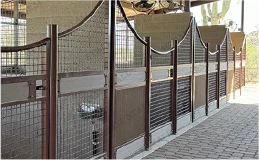
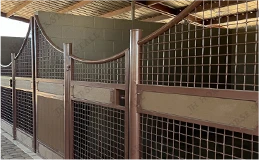
Equine well-being in the stabled environment is fundamentally linked to engineering principles relating to ventilation, lighting, and stall design. Poor ventilation leads to the accumulation of ammonia, dust, and pathogens, compromising respiratory health and increasing the risk of infections. Air exchange rates must be sufficient to remove these contaminants while maintaining a comfortable temperature range (10-20°C). Natural ventilation relies on convection and wind pressure, often proving insufficient in enclosed spaces. Mechanical ventilation systems (fans, extractors) provide controlled airflow, but require regular maintenance to prevent malfunction and ensure optimal performance. Lighting is crucial for regulating circadian rhythms and influencing hormone production. Insufficient light exposure can disrupt melatonin synthesis, impacting reproductive function and immune response. Stall design significantly affects horse behavior and injury risk. Stall size must allow for comfortable movement, turning, and lying down. Restrictive stalls can lead to stereotypic behaviors (weaving, crib-biting) and increase the risk of leg injuries. Solid stall walls are generally preferred to reduce the risk of entanglement and prevent social disruption. However, partial visibility allows for social interaction, mitigating feelings of isolation. Floor surfaces must provide adequate traction to prevent slips and falls. Force analysis during locomotion reveals that uneven or slippery surfaces increase joint loading and stress, predisposing horses to lameness. Compliance requirements, dictated by organizations like the American Association of Equine Practitioners (AAEP), emphasize the importance of providing adequate space, ventilation, and enrichment to promote equine well-being.
Technical Specifications
| Parameter | Units | Acceptable Range (Optimal Value) | Impact on Welfare |
|---|---|---|---|
| Ammonia Concentration | ppm | < 25 ppm ( < 10 ppm optimal) | Respiratory irritation, increased susceptibility to infection |
| Dust Levels (Particulate Matter < 10µm) | mg/m³ | < 5 mg/m³ ( < 1 mg/m³ optimal) | Respiratory irritation, reduced lung function |
| Temperature | °C | 10-20 °C (15°C optimal) | Thermal stress, altered metabolic rate |
| Humidity | % RH | 40-60% RH (50% RH optimal) | Respiratory irritation, increased pathogen growth |
| Stall Size (Minimum) | m² | 12 m² (14 m² optimal) for a 500kg horse | Restricted movement, stereotypic behaviors |
| Light Intensity | Lux | > 100 Lux (200-300 Lux optimal) | Disrupted circadian rhythms, altered hormone production |
Failure Mode & Maintenance
Failure modes impacting equine well-being in the stabled environment are diverse, ranging from acute injuries to chronic health problems. Fatigue cracking in stall structures (wood, composite materials) can create sharp edges and unstable surfaces, leading to abrasions, lacerations, and even fractures. Delamination of rubber matting can create tripping hazards and harbor bacteria. Degradation of bedding materials (mold growth in straw, dust accumulation in wood shavings) compromises air quality and increases the risk of respiratory infections. Oxidation of metal components (stall hardware, feeders) can lead to corrosion and the release of harmful substances. A common failure mode is the development of stereotypic behaviors (weaving, crib-biting, stall walking) due to boredom, frustration, and lack of social interaction. These behaviors can lead to dental problems, weight loss, and increased stress. Preventative maintenance is critical. Regular inspection of stall structures for damage and repair of any deficiencies is essential. Thorough cleaning and disinfection of stalls on a daily basis reduces pathogen load and ammonia levels. Bedding should be replaced frequently to maintain cleanliness and absorbency. Ventilation systems require regular filter replacement and fan maintenance. Enrichment strategies, such as providing access to forage, social interaction, and stimulating toys, can mitigate boredom and reduce the risk of stereotypic behaviors. Regular veterinary checkups are crucial for early detection and treatment of any health problems.
Industry FAQ
Q: What is the minimum stall size required for a 16hh horse?
A: While regulations vary, a minimum stall size of 12m² is generally recommended for a 16hh horse. However, larger stalls (14m² or more) are strongly advised to allow for comfortable movement, turning, and lying down. Consideration should be given to the horse’s build and temperament; larger horses and those prone to anxiety may benefit from even more space.
Q: How often should stable bedding be replaced?
A: Bedding should be removed entirely and replaced at least weekly, or more frequently if it becomes heavily soiled or wet. Spot cleaning (removing droppings and wet patches) should be performed daily. The frequency of complete bedding replacement depends on the type of bedding used, the number of horses housed, and the effectiveness of the stable’s ventilation system.
Q: What are the optimal ventilation rates for a stable?
A: Optimal ventilation rates depend on the size of the stable and the number of horses housed. A general guideline is to provide at least 8-12 air changes per hour. Regular monitoring of ammonia and dust levels is essential to ensure that the ventilation system is functioning effectively.
Q: How can I minimize the risk of respiratory problems in stabled horses?
A: Minimizing respiratory problems requires a multi-faceted approach. This includes providing adequate ventilation, using low-dust bedding materials, regular cleaning and disinfection of stalls, and ensuring proper humidity control. Consider wetting down hay or providing soaked feed to reduce dust inhalation.
Q: What enrichment strategies can improve the welfare of stabled horses?
A: Enrichment strategies include providing access to forage (hay or grass) for extended periods, offering social interaction with other horses, providing stimulating toys (lickable treats, puzzle feeders), and introducing novel objects into the stall environment. Regular turnout (access to pasture) is also a crucial form of enrichment.
Conclusion
Determining whether horses are “happy” in stables is not a simplistic question, but a complex assessment of welfare underpinned by scientific understanding of equine ethology and physiology. Effective stable management hinges on proactively mitigating the inherent compromises to natural behavior imposed by confinement. This requires meticulous attention to detail regarding materials science, ventilation engineering, and proactive maintenance to prevent failure modes that compromise equine health and well-being.
Moving forward, research should focus on optimizing stabled environments to better mimic natural conditions, incorporating advancements in air filtration technology, automated enrichment systems, and stall designs that promote social interaction and encourage natural behaviors. A holistic approach, combining rigorous scientific investigation with practical application, is essential to ensure the welfare of horses entrusted to our care within the stabled environment.
-
toy horse stable Material Science and Manufacturing
-
our generation horse stable Material Science Manufacturing
-
stardew horse stable Performance Analysis
-
Stable horse Structural Performance Analysis
-
horses in the stable lyrics Data Integrity Analysis
-
horse riding stables Material Science and Manufacturing
-
Horse in stable Structural Engineering
-
horse boarding stable Performance Engineering
-
horse and stable toy Material Science
-
barbie horse stable Material Performance Analysis
-
Our Generation Doll Horse Stable Performance Analysis
-
minecraft horse stable ideas Construction Performance Analysis
-
horse stable toy Performance Analysis
-
horse stable supplies Material Science
-
horse boarding stables near me Material Science and Manufacturing