



Apr . 01, 2024 17:55 Back to list
Black Horse Stables Construction and Performance

Introduction
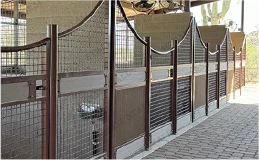
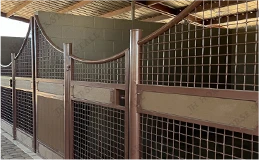
Black horse stables represent a critical component of the equine infrastructure, providing shelter and containment for horses utilized across a spectrum of industries – from recreational riding and competitive equestrian sports to breeding, training, and working livestock applications. This technical guide details the engineering considerations, material science, performance characteristics, and maintenance protocols integral to the construction and longevity of these structures. The industry faces significant challenges regarding durability, animal welfare, cost-effectiveness, and compliance with evolving biosecurity standards. Poorly designed or maintained stables can lead to animal injury, increased veterinary costs, and compromised operational efficiency. This guide aims to provide a comprehensive understanding of best practices, addressing common pain points for stable owners, facility managers, and equine professionals. Core performance characteristics center around structural integrity, environmental control (temperature, humidity, ventilation), sanitation, and ease of maintenance.
Material Science & Manufacturing
The primary materials utilized in black horse stable construction encompass wood, steel, aluminum, concrete, and various composite materials. Wood, traditionally dominant, offers cost-effectiveness and ease of workability but suffers from susceptibility to rot, insect infestation, and fire. Pressure-treated lumber mitigates some of these issues, utilizing chemical preservatives like chromated copper arsenate (CCA) or alkaline copper quaternary (ACQ), though environmental concerns are driving a shift towards alternative treatments. Steel provides superior strength and durability, particularly in frame construction, but is prone to corrosion. Galvanization, powder coating, and specialized alloys (e.g., weathering steel) are employed to enhance corrosion resistance. Aluminum offers a lightweight, corrosion-resistant alternative but is generally more expensive. Concrete is utilized for foundations and flooring, requiring careful attention to drainage and surface texture to prevent slip hazards and bacterial growth. Composite materials, such as fiberglass-reinforced polymers (FRP), are gaining traction for wall panels and roofing due to their lightweight, high strength, and resistance to weathering.
Manufacturing processes vary considerably. Wood components are typically sawn, planed, and joined using traditional carpentry techniques or engineered wood products like glulam (glued laminated timber). Steel structures involve welding, bolting, and riveting. Concrete is cast in-situ or pre-cast. Composite materials are typically manufactured through molding or extrusion processes. Critical parameters during manufacturing include dimensional accuracy, material grading (for wood and steel), weld quality, concrete mix design, and FRP resin content. Failure to control these parameters can result in structural deficiencies and premature failure. For instance, improper welding can create stress concentrations leading to fatigue cracking, while inadequate concrete curing can reduce compressive strength and increase permeability. Surface preparation prior to painting or coating is crucial for adhesion and corrosion prevention.

Performance & Engineering
Stable performance is dictated by structural loads (live load from horses, dead load of materials, wind load, snow load), environmental resistance (temperature fluctuations, humidity, UV radiation), and sanitary requirements. Force analysis, particularly stress and strain calculations, is essential to ensure structural integrity. Consideration must be given to dynamic loads generated by horse movement. Ventilation is a crucial engineering aspect, mitigating ammonia buildup from urine and feces, which can cause respiratory problems in horses. Natural ventilation relies on strategically placed openings, while mechanical ventilation employs fans and air exchange systems. Proper drainage is paramount to prevent water accumulation and subsequent rot or corrosion. The design must also account for animal behavior, minimizing sharp edges or protrusions that could cause injury.
Compliance with local building codes and agricultural regulations is mandatory. These regulations often specify requirements for stall size, ventilation rates, flooring materials, and fire safety. Biosecurity protocols are increasingly important, dictating materials and construction techniques that facilitate cleaning and disinfection. Specifically, smooth, non-porous surfaces are preferred to minimize bacterial harborage. Engineering considerations also include access for maintenance and repairs, allowing for easy inspection and replacement of components. The impact of the stable design on horse psychology and comfort should not be overlooked; appropriate stall dimensions and visual barriers can reduce stress and improve animal welfare.
Technical Specifications
| Parameter | Unit | Wood Stable (Typical) | Steel Stable (Typical) |
|---|---|---|---|
| Stall Width (Standard Horse) | m | 3.0 - 3.6 | 3.0 - 3.6 |
| Stall Depth (Standard Horse) | m | 3.0 - 3.6 | 3.0 - 3.6 |
| Wall Height | m | 2.4 - 3.0 | 2.4 - 3.0 |
| Roof Load Capacity (Snow) | kg/m² | 150 - 300 (dependent on location) | 300 - 500 (dependent on location) |
| Wood Species (if applicable) | - | Pressure-Treated Pine/Fir | N/A |
| Steel Grade (if applicable) | - | N/A | A36 or equivalent |
| Ventilation Rate (per horse) | m³/hr | 150 - 200 | 150 - 200 |
Failure Mode & Maintenance
Common failure modes in black horse stables include wood rot, steel corrosion, concrete cracking, and structural fatigue. Wood rot is often initiated by moisture intrusion and fungal growth, leading to a loss of structural integrity. Steel corrosion is accelerated by exposure to moisture, salts, and ammonia. Concrete cracking can result from freeze-thaw cycles, excessive loads, or improper curing. Structural fatigue, caused by repeated loading and unloading, can lead to cracks and eventual failure in steel components. Delamination can occur in composite materials due to moisture absorption or manufacturing defects. Oxidation can degrade protective coatings, accelerating corrosion.
Preventative maintenance is crucial. Regular inspections should be conducted to identify signs of damage or deterioration. Wood structures should be treated with preservatives and painted or sealed to prevent moisture ingress. Steel structures should be inspected for corrosion and repainted as needed. Concrete surfaces should be sealed to prevent water absorption. Loose bolts and welds should be tightened or repaired. Ventilation systems should be cleaned and maintained to ensure optimal airflow. Stall bedding should be replaced regularly to maintain hygiene and minimize ammonia buildup. Promptly addressing minor repairs can prevent them from escalating into major structural problems. Implement a documented maintenance schedule and maintain records of all inspections and repairs.
Industry FAQ
Q: What is the optimal stall flooring material considering both horse comfort and sanitation?
A: While traditional clay or dirt floors offer cushioning, they are difficult to clean and harbor bacteria. Rubber mats over a concrete base provide a good balance of comfort, traction, and sanitation. The rubber should be non-porous and regularly disinfected. Alternatively, interlocking rubber pavers offer similar benefits and are easier to repair or replace.
Q: How does the type of wood treatment impact the lifespan of a wooden stable, and what are the environmental considerations?
A: CCA treatment offers excellent protection against rot and insect infestation, but its use is increasingly restricted due to arsenic content. ACQ is a less toxic alternative, but may not provide the same level of long-term protection. Borate treatments are environmentally friendly but require regular re-application. Selecting a sustainable wood source is also crucial.
Q: What are the key ventilation requirements for minimizing ammonia levels in a horse stable?
A: Ventilation rates should be at least 150-200 cubic meters per hour per horse. A combination of natural ventilation (ridge vents, gable vents) and mechanical ventilation (exhaust fans) is often optimal. Proper air circulation is essential to prevent stagnant air pockets.
Q: What are the considerations when designing a steel stable to prevent corrosion in a coastal environment?
A: Hot-dip galvanization is the most effective corrosion protection method for steel in coastal environments. Powder coating can provide an additional layer of protection. Using stainless steel fasteners is also recommended. Regular inspection and maintenance are critical, especially in areas exposed to saltwater spray.
Q: What are the key structural differences and load-bearing capacities between a post-and-beam wood stable and a fully welded steel frame stable?
A: Post-and-beam wood stables rely on the strength of individual posts and beams connected by joinery. Their load-bearing capacity is limited by the strength of the wood and the integrity of the connections. Welded steel frame stables distribute loads more evenly across the entire structure, resulting in significantly higher load-bearing capacity. Steel frames are also less susceptible to deformation over time.
Conclusion
Black horse stable construction requires a holistic approach encompassing material science, engineering principles, and an understanding of equine behavior. The selection of appropriate materials, coupled with meticulous manufacturing processes and rigorous maintenance protocols, is paramount to ensuring structural integrity, animal welfare, and long-term operational efficiency. The industry is continually evolving, driven by demands for increased sustainability, improved biosecurity, and enhanced animal comfort.
Future developments are likely to focus on the adoption of advanced composite materials, smart ventilation systems, and data-driven maintenance strategies. A proactive approach to preventative maintenance, coupled with adherence to relevant industry standards, will minimize the risk of costly repairs and ensure the longevity of these critical equine facilities. Proper design and construction, guided by a firm grasp of the technical details outlined in this guide, are essential for creating safe, comfortable, and durable environments for horses.
-
Breyer Horse Stable Manufacturing Analysis
-
Black Horse Stables Construction and Performance
-
Barbie Stable and Horse Material Performance Analysis
-
arizona horses ponderosa stables Material Science and Manufacturing
-
lego friends horse stable Manufacturing Process and Performance Analysis
-
Rock Creek Park Horse Stables Material Performance Analysis
-
horses in the stable ty dolla Structural Engineering and Material Analysis
-
horse stables for sale Construction and Performance
-
horse riding stable near me Material Science Manufacturing
-
boarding horse stables Performance Analysis
-
toy horse with stable Performance Analysis
-
stables for horses Performance and Engineering
-
small horse stable floor plans Performance Analysis
-
minecraft horse stables Performance Engineering
-
melissa and doug horse stable Material Science and Manufacturing