



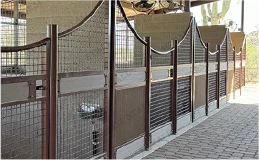
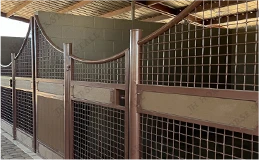
Apr . 01, 2024 17:55 Back to list
boarding stables for horses Material Science and Manufacturing
Introduction
Boarding stables for horses represent a critical infrastructure within the equine industry, serving as temporary or long-term housing facilities for horses not kept on the owner’s property. These facilities range in complexity from basic pasture board to highly specialized, fully-serviced operations. Their technical position in the equine value chain is foundational, influencing animal health, performance, and owner satisfaction. Core performance criteria revolve around structural integrity, environmental control (temperature, humidity, ventilation), waste management, and safety – both for the horses and personnel. A significant industry pain point is balancing cost-effectiveness with the provision of a safe, healthy, and stimulating environment. This often manifests in challenges related to material durability, drainage, and biosecurity. Maintaining optimal footing in high-traffic areas and minimizing injury risk are also paramount concerns. The quality of the stable environment directly impacts the horse’s physiological and psychological well-being, influencing their ability to train and compete.
Material Science & Manufacturing
The construction of boarding stables utilizes a diverse range of materials, each with specific properties influencing longevity and performance. Wood (typically pressure-treated lumber such as Southern Yellow Pine) is a common framing material, selected for its workability and cost-effectiveness. However, wood is susceptible to rot, insect infestation, and fire. Steel (various grades of carbon steel, often galvanized) is used for structural components like stall dividers and roofing, providing superior strength and durability. Galvanization provides a zinc coating to inhibit corrosion, but this coating will eventually degrade over time, requiring maintenance. Concrete is utilized for foundations, flooring, and waste management systems, offering high compressive strength and resistance to degradation. Concrete mix designs are critical; proper aggregate selection and cement-to-water ratios influence durability and permeability. Rubber matting, typically made from recycled tires or synthetic polymers (EPDM), is used for stall flooring to provide cushioning and improve traction. The manufacturing processes involved include lumber milling and treatment, steel fabrication (welding, cutting, forming), concrete mixing and pouring, and polymer processing (extrusion, molding). Key parameter control focuses on wood treatment pressure and chemical concentration, weld quality (penetration, absence of porosity), concrete slump and curing time, and rubber compound formulation. The selection of fasteners (nails, screws, bolts) must consider material compatibility to prevent galvanic corrosion. For example, using aluminum fasteners with steel can lead to accelerated corrosion of the steel.

Performance & Engineering
The performance of a boarding stable is dictated by its ability to withstand static and dynamic loads, resist environmental degradation, and maintain a safe and sanitary environment. Structural engineering principles are applied to ensure the stable can support the weight of horses, withstand wind loads, and resist seismic activity. Force analysis involves calculating the bending moments and shear forces acting on beams, columns, and stall structures. Environmental resistance is critical, particularly regarding moisture control. Poor drainage can lead to wood rot, concrete spalling, and the proliferation of pathogens. Ventilation is essential for removing ammonia and other harmful gases produced by equine waste. Stall design must prioritize horse safety, minimizing the risk of entrapment or injury. Compliance requirements vary by jurisdiction, but generally include building codes related to structural integrity, fire safety, and accessibility. Functional implementation includes ensuring adequate aisle widths for safe horse and human passage, proper stall sizing to accommodate different horse breeds, and efficient waste removal systems. The coefficient of friction of stall flooring is a crucial parameter; too low, and the horse risks slipping; too high, and it increases the risk of impact injuries. Biosecurity protocols necessitate materials that are easily cleaned and disinfected, preventing the spread of infectious diseases.
Technical Specifications
| Component | Material | Typical Dimensions | Performance Metric |
|---|---|---|---|
| Stall Front | Steel (ASTM A36) | 12ft x 8ft | Impact Resistance: 500 ft-lbs |
| Stall Divider | Wood (Pressure-Treated Pine) | 12ft x 4ft | Bending Strength: 800 PSI |
| Stall Flooring Mat | EPDM Rubber | 4ft x 6ft x ¾in | Shore Hardness: 60A |
| Roofing Material | Galvanized Steel (G90) | Varies | Corrosion Resistance: 500 hrs Salt Spray |
| Foundation Concrete | 3000 PSI Concrete | 4in Slab | Compressive Strength: 3000 PSI |
| Aisle Flooring | Gravel/Stone Dust | Varies | Compaction Density: 95% Proctor |
Failure Mode & Maintenance
Boarding stables are susceptible to various failure modes over time. Wood structures can experience rot, decay, and insect damage, particularly in areas exposed to moisture. Steel components can corrode, leading to weakening and eventual failure. Concrete can crack and spall due to freeze-thaw cycles, chemical attack, or overloading. Rubber matting can degrade from UV exposure, abrasion, and chemical contact. Common failure mechanisms include fatigue cracking in welded steel joints, delamination of composite materials, and oxidation of metal surfaces. Maintenance strategies should be proactive. Regular inspections for signs of wood rot, corrosion, and concrete cracking are crucial. Wood should be re-treated with preservatives as needed. Steel surfaces should be cleaned and repainted periodically to prevent corrosion. Concrete cracks should be sealed to prevent water infiltration. Rubber matting should be cleaned regularly and replaced when it shows signs of significant wear. Drainage systems should be inspected and cleared to ensure proper water flow. Biosecurity protocols should be consistently followed, including regular disinfection of stalls and common areas. The stability of stall dividers is a frequent failure point and should be checked regularly for loose fasteners or damaged materials. Proper ventilation is paramount; clogged vents can lead to increased humidity and accelerated corrosion.
Industry FAQ
Q: What is the optimal stall size for a 16-hand Warmblood?
A: For a 16-hand Warmblood, a stall size of at least 12ft x 12ft is recommended. This provides sufficient space for the horse to comfortably turn around, lie down, and move without risk of injury. Larger stalls, such as 12ft x 14ft, are preferable for particularly large or active horses.
Q: How often should rubber stall mats be replaced?
A: The lifespan of rubber stall mats depends on usage and quality. High-quality EPDM mats can last 5-7 years with proper care. However, mats subjected to heavy traffic, sharp hooves, or harsh cleaning chemicals may need to be replaced sooner, typically after 3-5 years.
Q: What are the best practices for preventing wood rot in stable structures?
A: Preventing wood rot requires a multi-faceted approach. Use pressure-treated lumber specifically rated for ground contact. Ensure proper drainage around the stable foundation. Regularly inspect wood for signs of decay. Apply a water-repellent sealant annually. Maintain adequate ventilation to reduce humidity. Consider using alternative materials, such as steel or composite lumber, in areas prone to moisture exposure.
Q: What type of concrete mix is best for stable flooring?
A: A 3000 PSI concrete mix with air entrainment is generally recommended for stable flooring. Air entrainment improves resistance to freeze-thaw damage. The mix should also include a water-reducing admixture to enhance workability and reduce permeability. Proper compaction and curing are essential for long-term durability.
Q: What are the key considerations for stable ventilation?
A: Adequate ventilation is crucial for removing ammonia, dust, and other harmful gases. Natural ventilation through open windows and doors is beneficial, but may not be sufficient in all climates. Mechanical ventilation systems, such as exhaust fans, can supplement natural ventilation. The ventilation system should be designed to provide a complete air exchange rate of at least 8-12 air changes per hour.
Conclusion
The effective design and maintenance of boarding stables for horses requires a comprehensive understanding of material science, structural engineering, and equine behavior. Selecting appropriate materials and employing proper construction techniques are crucial for ensuring the safety, health, and well-being of the horses. Regular inspections and proactive maintenance are essential for preventing failures and extending the lifespan of the stable structures. Addressing the core pain points of the industry – balancing cost with durability, optimizing environmental control, and ensuring biosecurity – is paramount for long-term success.
Future advancements in stable design may focus on the incorporation of sustainable materials, smart monitoring systems to track environmental conditions, and automated waste management solutions. Continued research into equine comfort and safety will drive further improvements in stall design and flooring materials. Prioritizing a holistic approach that considers both the physical infrastructure and the biological needs of the horse will be critical for ensuring the continued viability of the boarding stable industry.
-
horses in the stable song Material Science and Manufacturing
-
horse stable in minecraft Performance and Engineering
-
Horse in a stable Structural Engineering and Performance Analysis
-
boarding stables for horses Material Science and Manufacturing
-
Pasture Turnout will pasturing horses reduce stable vices Performance Analysis
-
toy horse stable Material Science and Manufacturing
-
our generation horse stable Material Science Manufacturing
-
stardew horse stable Performance Analysis
-
Stable horse Structural Performance Analysis
-
horses in the stable lyrics Data Integrity Analysis
-
horse riding stables Material Science and Manufacturing
-
Horse in stable Structural Engineering
-
horse boarding stable Performance Engineering
-
horse and stable toy Material Science
-
barbie horse stable Material Performance Analysis