



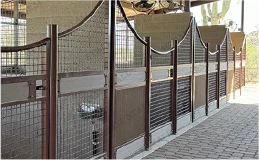
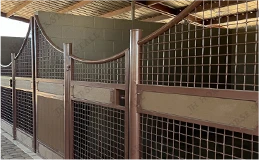
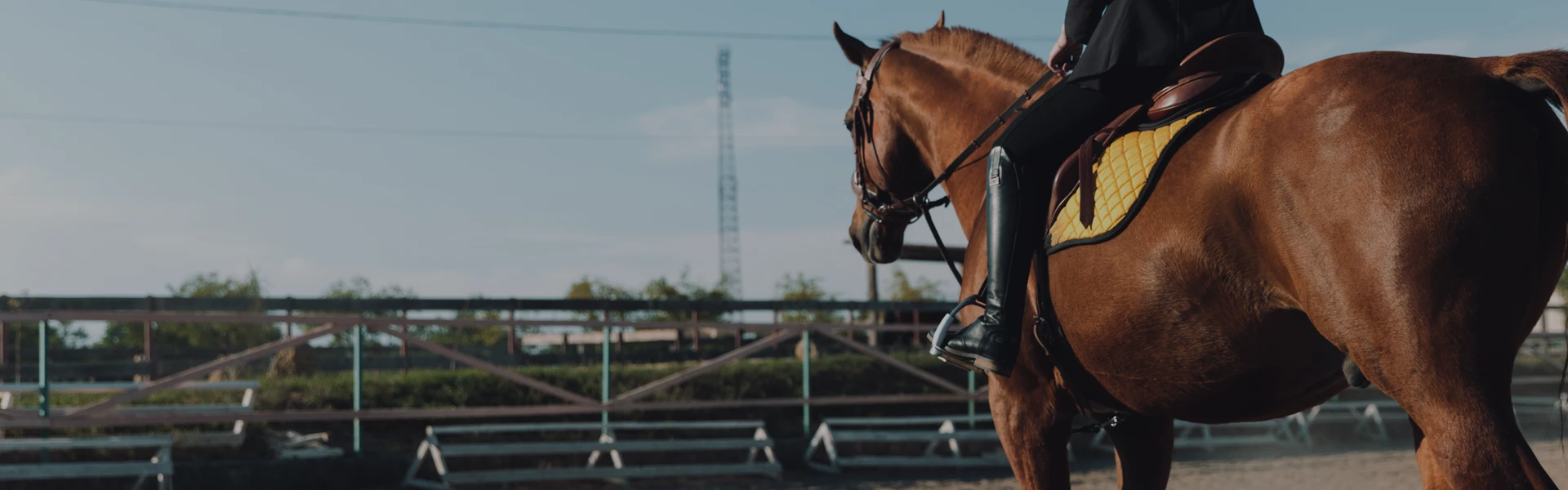
Apr . 01, 2024 17:55 Back to list
horse barns and stables Material Science and Manufacturing

Introduction
Horse barns and stables represent a critical infrastructure component within the equine industry, serving as shelter and management facilities for horses. Their design and construction encompass a range of engineering disciplines, from structural mechanics and material science to environmental control and animal welfare considerations. Positioned within the agricultural and animal husbandry sector, these structures are subject to stringent performance requirements related to durability, safety, and bio-security. Core performance characteristics include structural integrity under dynamic loading (wind, snow, animal impact), thermal regulation for animal comfort, ventilation to manage air quality and moisture, and resistance to degradation from environmental factors and biological agents. A key industry pain point lies in balancing cost-effectiveness with long-term durability and minimizing maintenance demands, especially concerning wood rot, corrosion, and pest infestation. Furthermore, compliance with local building codes and animal welfare regulations introduces significant complexity into the design and construction process.
Material Science & Manufacturing
The construction of horse barns and stables traditionally relies on wood, steel, and concrete, each possessing distinct physical and chemical properties influencing performance. Wood, typically pressure-treated lumber (e.g., Southern Yellow Pine, Douglas Fir), offers cost-effectiveness and workability but is susceptible to fungal decay, insect damage, and fire. The effectiveness of pressure treatment relies on the penetration depth of preservatives like chromated copper arsenate (CCA – increasingly restricted due to environmental concerns) or alkaline copper quaternary (ACQ). Steel, commonly used in framing and roofing, provides high strength-to-weight ratio and durability but is prone to corrosion, necessitating protective coatings such as galvanization, epoxy paints, or powder coating. Concrete foundations and flooring offer durability and load-bearing capacity but require proper curing and sealing to prevent cracking and moisture ingress. Manufacturing processes vary. Wood framing involves sawing, planing, and assembly using nails, screws, and bolts. Steel structures utilize welding, bolting, and pre-engineered framing systems. Concrete construction involves mixing, pouring, and curing. Key parameter control includes wood moisture content (optimally below 20% to minimize warping and decay), steel coating thickness (adhering to ASTM A123 or equivalent standards for galvanization), concrete mix design (ensuring appropriate cement-to-aggregate ratio and water-to-cement ratio), and proper ventilation during construction to facilitate drying and prevent moisture buildup. The increasing use of engineered wood products like Glulam and LVL addresses some of the limitations of traditional lumber, providing higher strength and dimensional stability.
Performance & Engineering
Structural performance of horse barns and stables is governed by load analysis, considering dead loads (weight of materials), live loads (weight of horses, hay, equipment), wind loads (governed by ASCE 7 standards), and snow loads (regional variations dictate design requirements). Force analysis focuses on minimizing stress concentrations in critical areas like roof connections, stall partitions, and foundation interfaces. Environmental resistance involves mitigating the effects of temperature fluctuations, humidity, precipitation, and UV radiation. Thermal performance is crucial for horse comfort; insulation materials (e.g., fiberglass, spray foam, cellulose) are selected based on R-value and moisture resistance. Ventilation systems – natural or mechanical – regulate air quality by removing ammonia, dust, and moisture, preventing respiratory problems in horses. Compliance requirements stem from local building codes (often based on the International Building Code – IBC) and animal welfare regulations (varying by jurisdiction). Functional implementation considers stall dimensions (meeting recommendations from equine veterinary associations), access for cleaning and maintenance, and fire safety measures (fire-resistant materials, emergency exits). Proper drainage is essential to prevent water accumulation and soil erosion, requiring carefully designed grading and gutter systems. Bio-security considerations include materials that are easily sanitized and resistant to harboring pathogens.
Technical Specifications
| Parameter | Unit | Typical Range (Wood Construction) | Typical Range (Steel Construction) |
|---|---|---|---|
| Wood Species (Framing) | - | Southern Yellow Pine, Douglas Fir | N/A |
| Steel Grade (Framing) | - | N/A | ASTM A36, A572 Grade 50 |
| Pressure Treatment Retention (Wood) | lbs/ft³ | 0.40 – 0.80 (ACQ) | N/A |
| Galvanization Coating Thickness (Steel) | µm | N/A | 85 – 140 (Hot-Dip Galvanizing) |
| R-Value (Insulation) | hr·ft²·°F/BTU | R-13 – R-30 (Fiberglass, Cellulose) | R-19 – R-38 (Insulated Metal Panels) |
| Wind Load Capacity | psf | 90 – 120 (depending on region) | 100 – 150 (depending on region) |
Failure Mode & Maintenance
Common failure modes in horse barns and stables include wood rot (caused by fungal decay, particularly in damp environments), steel corrosion (accelerated by moisture and salt exposure), concrete cracking (due to shrinkage, freeze-thaw cycles, or improper curing), and fastener failure (nail/screw pullout or bolt shear). Fatigue cracking can occur in steel members subjected to repeated dynamic loading. Delamination can affect engineered wood products if moisture ingress compromises the adhesive bonds. Degradation of protective coatings (paint, galvanization) exposes underlying materials to corrosion. Oxidation of metal components, particularly in areas with limited ventilation, contributes to long-term deterioration. Maintenance solutions involve regular inspections for signs of damage, prompt repair of leaks and cracks, reapplication of protective coatings, and replacement of deteriorated components. Wood preservatives should be reapplied periodically. Steel structures require regular cleaning to remove debris and prevent corrosion. Concrete surfaces should be sealed to prevent moisture penetration. Proper ventilation is crucial for minimizing moisture buildup and preventing wood rot. Stall maintenance includes regular cleaning and disinfection to prevent the spread of disease and minimize ammonia levels. Routine structural inspections by a qualified engineer are recommended to identify potential problems before they escalate.
Industry FAQ
Q: What is the typical lifespan of a wood-framed horse barn, and what factors significantly affect it?
A: The typical lifespan of a wood-framed horse barn ranges from 20 to 40 years, heavily dependent on the quality of materials, the effectiveness of pressure treatment, the climate, and the level of maintenance. Consistent moisture exposure, lack of ventilation, and insect infestation are primary factors that accelerate degradation. Properly maintained barns in dry climates can exceed 50 years.
Q: How does steel construction compare to wood construction in terms of long-term cost and maintenance?
A: While steel construction typically has a higher initial cost, it generally offers lower long-term maintenance costs due to its inherent resistance to rot, insects, and fire. However, corrosion is a concern, requiring regular inspection and maintenance of protective coatings. The lifecycle cost analysis often favors steel, particularly in harsh climates.
Q: What ventilation rates are recommended for horse stalls to maintain optimal air quality?
A: Recommended ventilation rates vary based on stall size, horse activity level, and climate. Generally, a minimum of 4-6 air changes per hour (ACH) is recommended for stalls. Natural ventilation (through windows and doors) may suffice in moderate climates, but mechanical ventilation is often necessary in colder or hotter regions to maintain consistent air quality.
Q: Are there specific building codes or regulations that govern the construction of horse barns?
A: Yes, horse barns are typically subject to local building codes based on the International Building Code (IBC), which address structural integrity, fire safety, and accessibility. Zoning regulations may also apply, dictating setbacks, height restrictions, and permitted uses. Animal welfare regulations related to stall size and ventilation may also be enforced.
Q: What are the best practices for preventing wood rot in a horse barn?
A: Preventing wood rot involves several key practices: using pressure-treated lumber rated for ground contact, ensuring proper drainage around the foundation, maintaining adequate ventilation to reduce moisture buildup, regularly inspecting wood components for signs of decay, and promptly repairing any damaged areas. Applying a water-repellent preservative annually can also extend the lifespan of the wood.
Conclusion
The construction of robust and durable horse barns and stables necessitates a comprehensive understanding of material science, structural engineering, and environmental control principles. Selecting appropriate materials, implementing proper manufacturing processes, and adhering to relevant building codes and animal welfare regulations are crucial for ensuring long-term performance and minimizing maintenance demands. A holistic approach that considers the interplay between structural integrity, environmental resistance, and animal comfort is paramount for creating a safe and healthy environment for horses.
Future advancements in barn construction may focus on the increased use of sustainable materials, prefabricated modular designs for faster and more cost-effective construction, and integrated sensor technologies for monitoring environmental conditions and structural health. Continued research into improved wood preservatives, corrosion-resistant coatings, and ventilation systems will further enhance the durability and efficiency of horse barn infrastructure. The effective balance between initial investment, lifecycle costs, and operational performance will remain a central consideration for owners and managers in the equine industry.
-
Horses in the stable dance Air Quality and Ventilation Engineering
-
horses in a stable lyrics Data Storage Infrastructure Analysis
-
Horse Stables Hiring Near Me Structural Performance Analysis
-
Horse Stables Boarding Material Performance Analysis
-
horse stable toys Material Science and Manufacturing
-
horse stable gate Performance Engineering
-
Horse Stable Design Material Performance
-
horse stable blanket Performance Analysis
-
horse barns and stables Material Science and Manufacturing
-
cumberland falls horse riding stables Material Science and Manufacturing
-
Breyer Horse Stable Manufacturing Analysis
-
Black Horse Stables Construction and Performance
-
Barbie Stable and Horse Material Performance Analysis
-
arizona horses ponderosa stables Material Science and Manufacturing
-
lego friends horse stable Manufacturing Process and Performance Analysis