



Apr . 01, 2024 17:55 Back to list
horse boarding stable Performance Engineering

Introduction
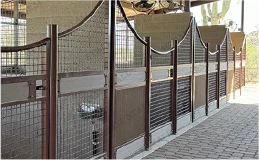
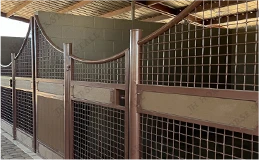
Horse boarding stables represent a critical component of the equine industry, providing temporary or long-term housing for horses not kept on the owner’s property. The technical position of a stable within the broader agricultural and animal husbandry chain lies in facilitating animal welfare, breeding programs, equestrian sports, and therapeutic riding. Core performance characteristics center on structural integrity, environmental control (temperature, humidity, ventilation), waste management efficiency, and biosecurity protocols. Historically, stables were largely constructed using readily available timber and basic joinery. Modern stables, however, incorporate engineered wood products, metal framing systems, advanced footing materials, and increasingly, automated environmental control systems. The industry faces increasing pressure to balance cost-effectiveness with enhanced horse health, safety, and sustainability. A key pain point is ensuring structural resilience against dynamic loading (horse weight and movement) and environmental stressors (weather, pest infestation), while also complying with stringent animal welfare standards and minimizing environmental impact.
Material Science & Manufacturing
Stable construction leverages a diverse range of materials. Historically, wood (Douglas fir, pine, oak) was predominant, chosen for its workability and cost. However, modern construction frequently employs pressure-treated lumber (CCA, ACQ) to mitigate decay and insect damage. Steel framing provides superior structural strength and fire resistance but requires corrosion protection (galvanization, powder coating). Concrete is essential for foundation work and flooring, with varying formulations impacting drainage and impact resistance. Footing materials include sand, clay, wood shavings, and synthetic rubber granules, each exhibiting distinct compression characteristics, dust control properties, and impact absorption capabilities. Manufacturing processes vary. Timber framing involves precision cutting, joinery (mortise and tenon, dovetail), and fastener installation. Steel framing utilizes welding, bolting, and prefabricated modular systems. Concrete is cast in place or precast, requiring accurate formwork and reinforcement. Key parameter control centers on wood moisture content (reducing warping and cracking), steel coating thickness (ensuring corrosion resistance), concrete mix design (optimizing strength and permeability), and footing material particle size distribution (affecting drainage and compaction). The choice of materials is often dictated by local building codes, environmental regulations, and budgetary constraints. Increasingly, recycled materials, like reclaimed wood and recycled plastic lumber, are being utilized to promote sustainability.
Performance & Engineering
Stable performance is governed by several critical engineering considerations. Structural analysis focuses on load bearing capacity, accounting for static loads (horse weight, roofing materials) and dynamic loads (horse movement, wind loads, snow loads). Wind resistance is particularly important, requiring appropriate bracing and roofing design to prevent structural failure. Drainage is paramount; improper drainage can lead to standing water, bacterial growth, and hoof problems. Slope grading, permeable flooring materials, and gutter systems are crucial components. Ventilation is vital for maintaining air quality and preventing ammonia buildup from urine and manure. Natural ventilation relies on strategically placed openings, while forced ventilation utilizes fans and exhaust systems. Thermal performance impacts horse comfort and health. Insulation materials (fiberglass, spray foam) and roofing design minimize heat gain in summer and heat loss in winter. Biosecurity protocols necessitate smooth, non-porous surfaces for easy cleaning and disinfection, minimizing the risk of disease transmission. Compliance requirements vary by jurisdiction but often include building codes (structural integrity, fire safety), animal welfare regulations (stall size, ventilation), and environmental regulations (waste management, water runoff). Stall design must also account for horse behavior, minimizing the risk of injury (e.g., avoiding sharp edges, providing adequate space for movement).
Technical Specifications
| Parameter | Unit | Typical Range | Testing Standard |
|---|---|---|---|
| Wood Moisture Content | % | 12-18 | ASTM D143 |
| Steel Yield Strength | MPa | 250-350 | ASTM A36 |
| Concrete Compressive Strength | MPa | 25-40 | ASTM C39 |
| Footing Material Compaction | % | 85-95 | ASTM D1557 |
| Ventilation Rate (per stall) | m3/hr | 100-200 | ASHRAE 55 |
| Stall Dimensions (minimum) | m2 | 12-14 | FEI Regulations |
Failure Mode & Maintenance
Stable structures are susceptible to various failure modes. Wood rot and insect infestation are common, particularly in untreated lumber, leading to structural weakening and potential collapse. Corrosion of steel framing components compromises structural integrity, especially in humid environments. Concrete cracking due to freeze-thaw cycles or excessive loading reduces its load-bearing capacity. Footing material degradation (compaction, dust generation) impacts horse comfort and increases the risk of injury. Fastener failure (bolts, screws) due to fatigue or corrosion can lead to localized structural instability. Maintenance strategies are crucial for preventing these failures. Regular visual inspections for wood rot, corrosion, and concrete cracks are essential. Preventative treatments (wood preservatives, corrosion inhibitors) extend the lifespan of materials. Re-tightening of fasteners prevents loosening due to vibration. Periodic footing material replenishment and compaction maintain optimal performance. Drainage systems require regular cleaning to prevent clogging. Biosecurity protocols, including regular disinfection, minimize the risk of disease outbreaks. Proactive maintenance significantly reduces the long-term cost of ownership and ensures the safety and welfare of the horses.
Industry FAQ
Q: What is the optimal wood treatment for a stable located in a high-humidity environment?
A: In high-humidity environments, ACQ (Alkaline Copper Quaternary) treatment is generally superior to CCA (Chromated Copper Arsenate) due to its lower toxicity and comparable effectiveness against fungal decay and insect damage. Proper application, ensuring complete penetration of the wood, is critical. Borate treatments can also provide excellent protection against insects but are less effective against fungal decay and are prone to leaching in wet conditions.
Q: How does stall footing material impact horse lameness?
A: Stall footing material significantly impacts horse lameness. Deep, soft footing provides excellent shock absorption, reducing stress on joints and tendons. However, excessively deep or uneven footing can increase the risk of twisting an ankle. Compacted or dusty footing provides poor cushioning and can exacerbate existing lameness issues. The ideal footing material provides a balance of cushioning, support, and traction, tailored to the horse's discipline and individual needs.
Q: What ventilation rate is sufficient to control ammonia levels in a closed stable?
A: A ventilation rate of 8-12 air changes per hour (ACH) is generally recommended for a closed stable to effectively control ammonia levels. This equates to approximately 100-200 cubic meters per hour per stall, depending on stall size and horse activity level. Regular monitoring of ammonia levels with appropriate sensors is crucial to ensure adequate ventilation and maintain a healthy environment.
Q: What are the key considerations when designing a stable foundation to prevent settling?
A: Preventing foundation settling requires careful site evaluation and soil analysis. Adequate compaction of the subgrade is essential. Proper drainage around the foundation prevents soil saturation and expansion/contraction cycles. Utilizing a reinforced concrete foundation with appropriate footing dimensions distributes the load evenly. Geotechnical engineering consultation is recommended for challenging soil conditions.
Q: How important is stall size, and what minimum dimensions are generally recommended?
A: Stall size is critical for horse welfare, preventing injury, and reducing stress. Horses need sufficient space to lie down, stand up, and move comfortably. Minimum dimensions generally recommended are 3.6m x 3.6m (approximately 12ft x 12ft) for most horses. Larger stalls are preferable for draft breeds or horses prone to claustrophobia. Compliance with FEI (Fédération Equestre Internationale) regulations is necessary for competition stables.
Conclusion
The successful construction and maintenance of horse boarding stables demand a holistic understanding of material science, engineering principles, and animal welfare requirements. Achieving optimal performance necessitates careful material selection, precise manufacturing processes, and diligent preventative maintenance. Factors like environmental control, structural integrity, and biosecurity are inextricably linked to the health, safety, and wellbeing of the horses housed within.
Future advancements in stable design are likely to focus on sustainable materials, automated environmental control systems, and improved biosecurity protocols. Data-driven monitoring of air quality, temperature, and horse behavior will enable proactive adjustments to optimize the stable environment. The integration of smart technologies will further enhance efficiency and improve overall management practices, ultimately contributing to a more sustainable and humane equine industry.
-
barbie horse and stable Material Performance Analysis
-
toy horse stables Material Performance Analysis
-
Swan Lake Stables Horse Shows Material Science and Engineering
-
star stable horse names Technical Analysis
-
star stable app horses Technical Analysis
-
Horse Stable Structural Integrity and Performance
-
small horse stable minecraft Structural Analysis
-
schleich horse stable Material Science and Manufacturing
-
rocking horse stables Material Science Manufacturing
-
pure gold horse stables Structural Analysis
-
Morningside Stables at Columbia Horse Center Material Performance
-
melissa doug horse stable Material Science
-
lego friends stable horse Performance Analysis
-
large toy horse stable Construction and Performance Analysis
-
Horses Stables Material Properties