



Apr . 01, 2024 17:55 Back to list
horse boarding stables near me Material Science and Manufacturing
Introduction
Horse boarding stables represent a critical infrastructure element within the equine industry, providing temporary or long-term housing, care, and facilities for horses. These establishments are not simply shelters; they are complex operational systems requiring careful consideration of animal welfare, structural engineering, environmental management, and biosecurity protocols. The modern boarding stable represents a convergence of agricultural practices, animal science, and construction technology. This guide details the technical considerations surrounding the design, construction, maintenance, and operational standards of horse boarding facilities, focusing on long-term durability, equine health, and regulatory compliance. The core performance parameters include structural integrity of barns and fencing, drainage systems efficacy, forage quality management, waste handling efficiency, and the minimization of environmental impact. Industry pain points include managing escalating construction costs, ensuring adequate drainage in varying soil conditions, preventing equine-related injuries due to inadequate footing or fence construction, and maintaining compliance with evolving environmental regulations related to manure management.
Material Science & Manufacturing
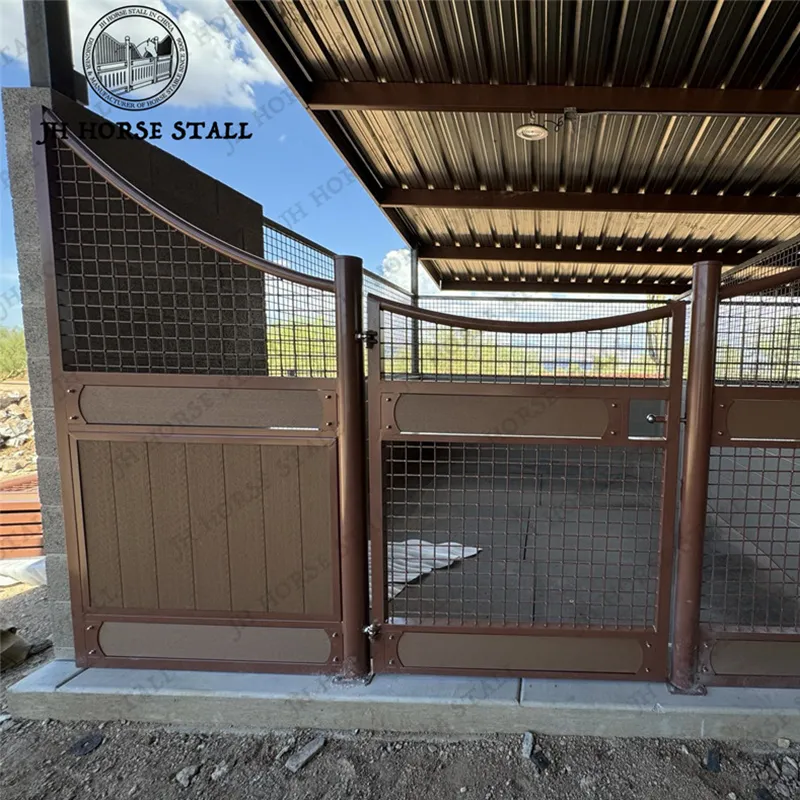
The construction of horse boarding stables relies on a diverse range of materials, each with specific physical and chemical properties impacting performance and longevity. Structural components commonly employ timber (pressure-treated pine, Douglas fir), steel (galvanized steel for fencing and framing), and concrete (foundations, stall floors). Timber’s compressive strength and workability are advantageous, but susceptibility to rot and insect infestation necessitate pressure treatment with preservatives like chromated copper arsenate (CCA) – though alternatives like alkaline copper quaternary (ACQ) are increasingly used due to environmental concerns. Steel offers high tensile strength and durability but is prone to corrosion, requiring galvanization or powder coating for protection. Concrete provides excellent compressive strength and durability, however, porosity can lead to water ingress and freeze-thaw damage. Stall construction utilizes wood, steel, or composite materials like recycled plastic lumber. Footing materials encompass sand, clay, wood shavings, and synthetic rubber granules. Sand composition (silica vs. limestone) influences drainage and compaction. Clay offers good cohesion but can become muddy when wet. Wood shavings provide cushioning but require regular replenishment. Synthetic rubber granules offer superior impact absorption and durability but can be costly. Fencing materials include wood, metal (woven wire, electric fencing), and composite options. Manufacturing processes range from traditional carpentry and welding to pre-fabricated modular construction. Key parameter control involves wood moisture content (optimizing for dimensional stability), steel coating thickness (ensuring corrosion resistance), concrete mix design (achieving desired strength and workability), and proper installation techniques to minimize stress concentrations and prevent failures.
Performance & Engineering
The performance of horse boarding stables is dictated by several key engineering considerations. Structural analysis is critical for ensuring the stability of barns and shelters under various load conditions – including snow load, wind load, and the dynamic loads imposed by horses leaning or kicking. Footing material performance is governed by impact absorption, shear strength, and drainage capabilities. Soil mechanics play a vital role in designing effective drainage systems to prevent waterlogging and mud formation. Manure management systems must comply with environmental regulations and minimize odor and nutrient runoff. Fence design requires careful consideration of horse behavior and potential escape routes, necessitating appropriate height, strength, and visibility. Biosecurity protocols, including stall layout and ventilation, are essential for preventing the spread of infectious diseases. Environmental resistance involves protecting materials from UV degradation, moisture damage, and temperature fluctuations. Compliance requirements include local building codes, zoning regulations, and environmental permits related to waste disposal and water usage. Force analysis considers the dynamic impact of a 1000lb horse impacting a stall wall, the tensile strength of fencing wire under strain, and the load-bearing capacity of structural supports. Ventilation systems are engineered to maintain appropriate air quality and minimize ammonia concentrations. Stall dimensions must adhere to guidelines ensuring adequate space for horse movement and comfort.
Technical Specifications
| Parameter | Unit | Typical Range | Testing Standard |
|---|---|---|---|
| Timber Moisture Content | % | 12-18 | ASTM D143 |
| Steel Galvanization Coating Thickness | μm | 50-80 | ASTM A123 |
| Concrete Compressive Strength | psi | 2500-4000 | ASTM C39 |
| Sand Particle Size Distribution | mm | 0.05-2.0 | ASTM C136 |
| Fence Wire Tensile Strength | psi | 180,000-250,000 | ASTM A824 |
| Manure Compost C:N Ratio | - | 20:1 - 30:1 | EPA Method 301.0 |
Failure Mode & Maintenance
Common failure modes in horse boarding stables include fatigue cracking in timber structures due to repeated loading, corrosion of steel components exposed to moisture and electrolytes (urine), delamination of concrete stall floors due to freeze-thaw cycles, degradation of fencing materials due to UV exposure and weathering, and oxidation of metal hardware. Stall wall failures often originate from stress concentrations around fasteners. Drainage system failures result from clogging due to sediment accumulation or root intrusion. Footing material degradation occurs through compaction, loss of elasticity, and contamination with manure. Preventative maintenance is crucial. Timber structures require regular inspection for rot and insect damage, with prompt treatment or replacement of affected components. Steel surfaces should be cleaned and recoated periodically to prevent corrosion. Concrete floors should be sealed to minimize water ingress. Fencing should be inspected for broken wires or damaged posts. Drainage systems require periodic cleaning and inspection. Manure management systems require regular removal and composting. Failure analysis involves identifying the root cause of failures – whether it's material defects, improper installation, inadequate maintenance, or unforeseen environmental factors. Corrective actions range from simple repairs to complete component replacement. Scheduled inspections and a proactive maintenance plan are essential for maximizing the lifespan and safety of horse boarding facilities.
Industry FAQ
Q: What is the optimal stall size for a 16-hand horse, and what are the key engineering considerations?
A: A generally accepted minimum stall size for a 16-hand horse is 12ft x 12ft. Engineering considerations include ensuring sufficient space for the horse to lie down, stand up, and turn around comfortably without risk of injury. Stall wall height should be at least 8ft to prevent horses from escaping or getting injured. Structural integrity is paramount; walls must withstand impact forces. Flooring should provide adequate cushioning and traction.
Q: How can I effectively manage manure to comply with environmental regulations and minimize odor?
A: Effective manure management involves a multi-pronged approach. Regular removal is crucial. Composting is the preferred method for reducing volume and odor. Compost piles should be properly aerated and maintained at appropriate C:N ratios. Storage areas should be located away from water sources and residential areas. Implementing a fly control program is also recommended.
Q: What are the best materials for constructing a durable and safe perimeter fence?
A: Woven wire fencing with a minimum height of 5ft is a reliable option. Adding a top rail provides additional strength and visibility. Electric fencing can be used as a deterrent. Posts should be pressure-treated or made of durable materials like steel. The choice depends on the horse breed and its propensity to challenge fences.
Q: What drainage solutions are most effective for preventing mud and waterlogging in high-traffic areas?
A: Effective drainage solutions include installing French drains, creating swales to divert water, and utilizing geotextile fabrics to improve soil permeability. Grading the land to promote runoff is essential. Proper footing materials (e.g., gravel base with sand topping) can also improve drainage and reduce mud.
Q: What are the key considerations for ventilation in a closed barn to ensure optimal air quality for horses?
A: Ventilation is critical to remove ammonia, dust, and moisture. Natural ventilation (e.g., ridge vents, sidewall openings) is preferable, but mechanical ventilation may be necessary in enclosed barns. Air exchange rates should be sufficient to maintain low ammonia levels (below 25 ppm). Consider prevailing wind direction when designing ventilation systems.
Conclusion
The successful operation of horse boarding stables hinges on a detailed understanding of material science, engineering principles, and regulatory compliance. From the selection of appropriate construction materials to the implementation of robust drainage and manure management systems, every aspect of stable design and maintenance must prioritize equine welfare and long-term durability. Failure to address these technical considerations can lead to costly repairs, compromised animal health, and potential environmental liabilities.
Looking forward, advancements in materials technology (e.g., self-healing concrete, antimicrobial coatings) and sustainable construction practices (e.g., recycled materials, renewable energy sources) offer opportunities to enhance the performance and environmental footprint of horse boarding facilities. Continued research and development in equine biomechanics and ventilation systems will further contribute to optimizing horse health and comfort. Proactive monitoring, diligent maintenance, and adherence to industry best practices are essential for ensuring the long-term viability of this critical component of the equine industry.
-
toy horse stable Material Science and Manufacturing
-
our generation horse stable Material Science Manufacturing
-
stardew horse stable Performance Analysis
-
Stable horse Structural Performance Analysis
-
horses in the stable lyrics Data Integrity Analysis
-
horse riding stables Material Science and Manufacturing
-
Horse in stable Structural Engineering
-
horse boarding stable Performance Engineering
-
horse and stable toy Material Science
-
barbie horse stable Material Performance Analysis
-
Our Generation Doll Horse Stable Performance Analysis
-
minecraft horse stable ideas Construction Performance Analysis
-
horse stable toy Performance Analysis
-
horse stable supplies Material Science
-
horse boarding stables near me Material Science and Manufacturing