



Apr . 01, 2024 17:55 Back to list
Horse in a stable Structural Engineering and Performance Analysis
Introduction
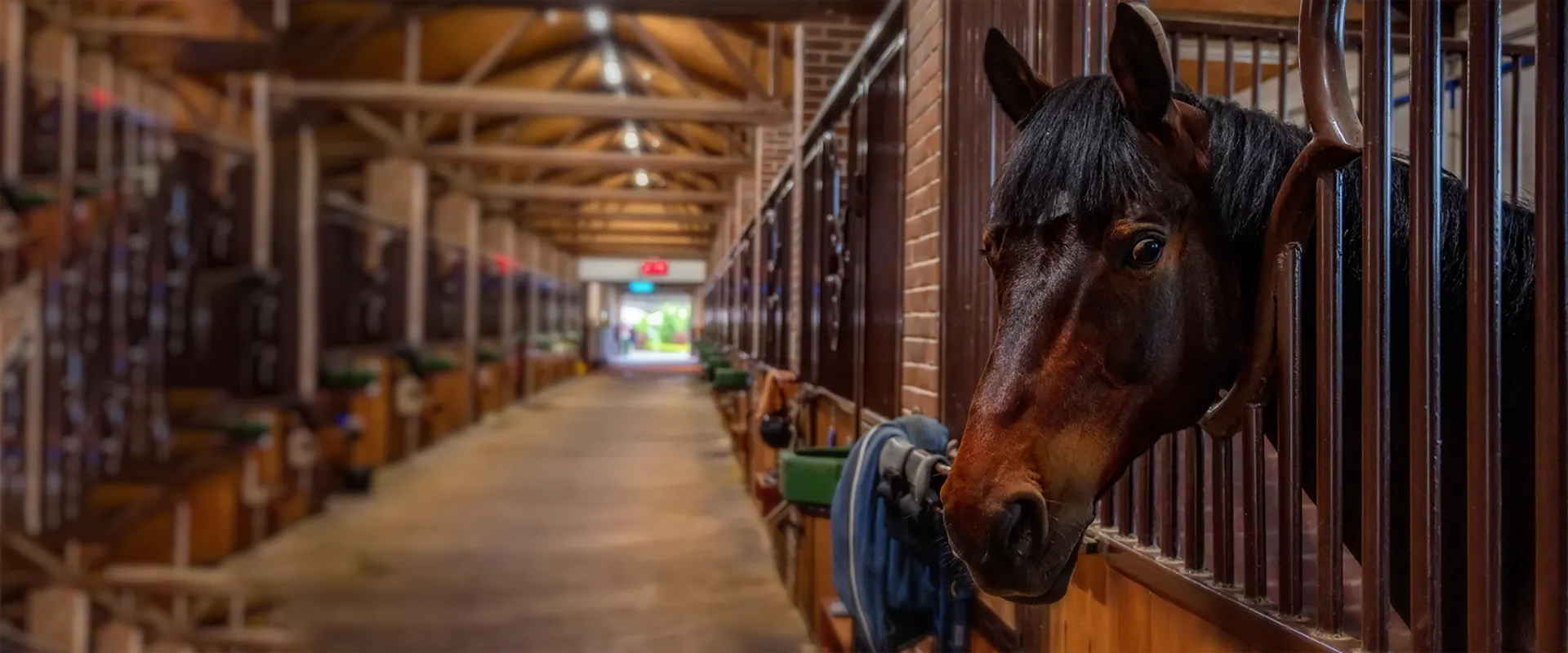
The equine stable environment represents a complex bio-mechanical system requiring meticulous engineering and material selection to ensure animal welfare, structural integrity, and operational longevity. This technical guide details the critical considerations surrounding the design, construction, and maintenance of horse stables, examining the interplay of material science, structural engineering, biological needs, and relevant industry standards. The stable, fundamentally, functions as a controlled environment, mitigating environmental stressors and providing a safe and hygienic housing solution for horses. Its performance is judged not only on structural soundness but also on its ability to manage waste, control ventilation, and minimize the risk of injury to the animal. Key performance indicators include stall size conformity to breed standards, impact resistance of materials, air quality parameters (ammonia levels, particulate matter), and ease of sanitation. The increasing focus on equine wellbeing and biosecurity drives demand for more sophisticated stable design and construction methods.
Material Science & Manufacturing
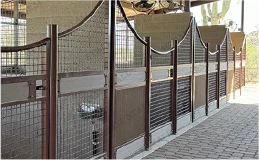
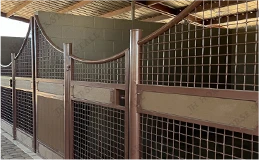
Stable construction commonly employs several materials, each with distinct properties and manufacturing processes. Wood, particularly pressure-treated softwood (pine, fir) and hardwoods (oak, maple), remains prevalent for stall walls, doors, and framing due to its workability and aesthetic appeal. However, wood is susceptible to degradation from moisture, insect infestation, and equine chewing. Manufacturing involves kiln drying to reduce moisture content, followed by pressure treatment with preservatives like copper azole or alkaline copper quaternary (ACQ) to enhance rot resistance. Steel is increasingly used for stall framing and doors, offering superior strength and durability. Steel components are typically manufactured through processes such as hot-rolled steel forming, welding (SMAW, MIG, TIG), and powder coating for corrosion protection. Rubber flooring, commonly EPDM rubber or recycled rubber tiles, is crucial for impact absorption and hoof traction. Manufacturing involves compounding rubber polymers with reinforcing fillers (carbon black, silica) and vulcanization to achieve desired mechanical properties. Concrete is fundamental for stable foundations and often for flooring. Cement hydration, aggregate selection (size, grading, mineralogy), and admixture use (plasticizers, air-entraining agents) are critical parameters in concrete production. Waste management systems utilize plastics (polypropylene, polyethylene) for manure collection and storage, fabricated through injection molding or rotational molding. The selection of materials must account for chemical compatibility – for example, avoiding galvanized steel in direct contact with urine to prevent corrosion.
Performance & Engineering
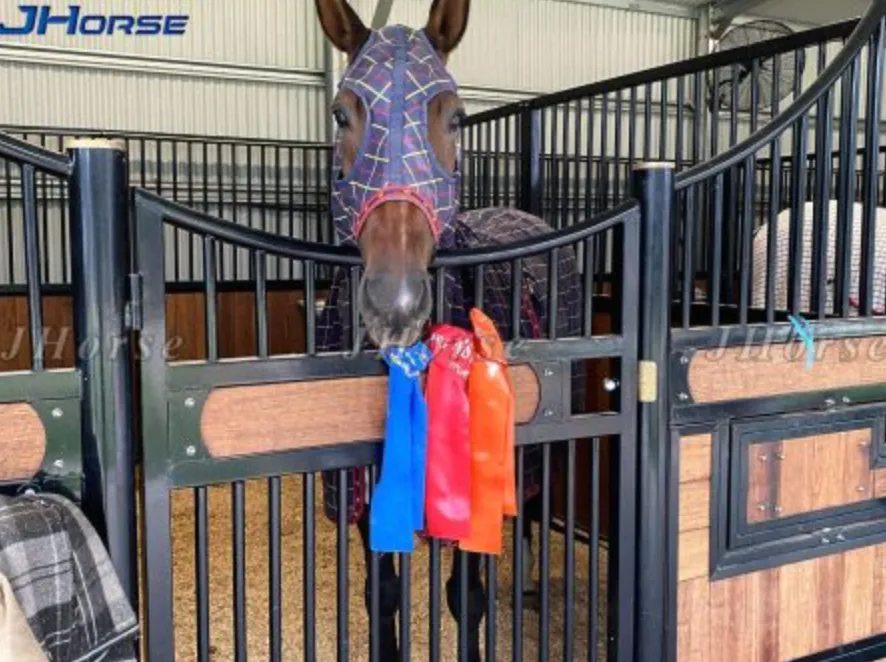
The primary engineering considerations for horse stables center around load-bearing capacity, impact resistance, and environmental control. Stall walls must withstand lateral forces from a horse leaning or kicking. Force analysis involves calculating the maximum force exerted by a horse (typically 800-1000 lbs) and designing the stall structure to resist this force with an adequate safety factor (typically 2.5-3). Impact resistance is particularly important for stall doors and lower wall sections. Material selection and structural design must minimize the risk of fracture or deformation upon impact. Ventilation is crucial for maintaining air quality and preventing respiratory problems. Engineering calculations involve determining the required airflow rate based on the number of horses, stable size, and climate conditions. Natural ventilation relies on strategically placed openings and prevailing winds, while mechanical ventilation utilizes fans and ductwork. Thermal comfort is also critical. Insulation materials (fiberglass, mineral wool, spray foam) are used to regulate temperature and reduce heat loss in cold climates. Drainage systems must efficiently remove urine and water, preventing the buildup of harmful bacteria and ammonia. Slope calculations, pipe sizing, and material selection (PVC, HDPE) are essential for effective drainage. Compliance requirements include adherence to local building codes, animal welfare regulations, and fire safety standards. Stall dimensions must conform to breed-specific guidelines outlined by organizations such as the American Association of Equine Practitioners (AAEP).
Technical Specifications
| Material | Tensile Strength (MPa) | Modulus of Elasticity (GPa) | Water Absorption (%) | Density (kg/m³) | Typical Application |
|---|---|---|---|---|---|
| Pressure-Treated Pine | 45-60 | 9-12 | 10-15 | 500-700 | Stall Walls, Framing |
| Hot-Rolled Steel (A36) | 400-550 | 200 | Negligible | 7850 | Stall Framing, Doors |
| EPDM Rubber | 10-20 | 1.5-2.5 | <1 | 1300-1400 | Flooring |
| Concrete (3000 psi) | 20-30 | 20-30 | 5-10 | 2300-2400 | Foundations, Flooring |
| Polypropylene (PP) | 25-35 | 1.5-2.0 | <0.1 | 900-950 | Manure Collection Systems |
| Powder Coating (Epoxy) | 80-120 | N/A | <0.5 | N/A | Steel Corrosion Protection |
Failure Mode & Maintenance
Horse stables are susceptible to various failure modes. Wood structures can fail due to rot, insect damage, and impact fracture. Regular inspections are crucial to identify and address signs of decay. Maintenance includes re-treating wood with preservatives, repairing damaged sections, and ensuring proper ventilation to prevent moisture buildup. Steel structures are prone to corrosion, particularly in areas exposed to urine and moisture. Powder coating provides a protective barrier, but scratches or chips can lead to localized corrosion. Maintenance includes repairing damaged coatings and applying corrosion inhibitors. Rubber flooring can degrade over time due to UV exposure, abrasion, and chemical attack. Regular cleaning and UV protection can extend its lifespan. Concrete can crack due to shrinkage, overloading, or freeze-thaw cycles. Repairing cracks promptly prevents further deterioration. Drainage systems can become clogged with manure and debris, leading to flooding and unsanitary conditions. Regular cleaning and flushing are essential. Fatigue cracking in steel welds is a critical failure mode. Non-destructive testing (NDT) methods, such as ultrasonic testing or radiographic testing, can identify cracks before they lead to catastrophic failure. Preventative maintenance schedules, documenting inspections and repairs, are vital for ensuring the long-term structural integrity and safety of the stable environment. Addressing minor issues promptly significantly reduces the risk of costly repairs and potential animal injury.
Industry FAQ
Q: What is the optimal stall size for a 16-hand Thoroughbred?
A: A 16-hand Thoroughbred typically requires a stall size of at least 12ft x 12ft. However, a slightly larger stall (12ft x 14ft) is often preferable to allow for greater comfort and freedom of movement. Industry best practices, as outlined by the AAEP, recommend providing sufficient space for the horse to lie down, stand, and turn around without obstruction. Individual horse temperament and activity level should also be considered.
Q: How can ammonia levels be effectively reduced in a closed stable environment?
A: Reducing ammonia levels requires a multi-pronged approach. Firstly, frequent and thorough manure removal is paramount. Secondly, ensuring adequate ventilation is critical. Increasing airflow dilutes ammonia concentrations. Consider installing mechanical ventilation systems with appropriate exhaust rates. Thirdly, using absorbent bedding materials like wood shavings or straw helps to absorb urine and reduce ammonia release. Finally, regular cleaning of stable surfaces prevents ammonia buildup.
Q: What are the key considerations when selecting rubber flooring for a stable?
A: Key considerations include impact absorption, slip resistance, durability, and ease of cleaning. EPDM rubber offers excellent impact absorption and slip resistance. Recycled rubber is a more cost-effective option but may have lower durability. The thickness of the flooring should be sufficient to provide adequate cushioning and prevent injuries. Ensure the flooring is non-porous and easy to disinfect to maintain hygiene.
Q: What type of wood treatment is most effective for preventing rot and insect damage?
A: Pressure treatment with copper azole (CA) or alkaline copper quaternary (ACQ) is currently considered the most effective wood treatment for preventing rot and insect damage. These preservatives are less toxic than older treatments like chromated copper arsenate (CCA). Regular re-treatment may be necessary to maintain protection, particularly in areas exposed to high moisture levels.
Q: What are the implications of using galvanized steel in direct contact with equine urine?
A: Equine urine contains high levels of chlorides which can accelerate the corrosion of galvanized steel. This can lead to structural weakening and potential failure of stall components. It is essential to avoid direct contact between galvanized steel and urine by using protective coatings, isolating the materials, or selecting alternative materials like stainless steel.
Conclusion
The design and construction of horse stables are intrinsically linked to a complex interplay of material science, structural engineering, and equine welfare. Selecting appropriate materials, implementing robust structural designs, and prioritizing ventilation and sanitation are crucial for ensuring a safe, healthy, and durable stable environment. The longevity and performance of the stable directly impact animal wellbeing and operational efficiency.
Future advancements will likely focus on developing more sustainable and bio-compatible materials, integrating smart monitoring systems for environmental control, and optimizing stall designs based on biomechanical analysis of equine movement. Continuous research and adherence to evolving industry standards are essential for maintaining best practices in stable construction and management.
-
horses in the stable song Material Science and Manufacturing
-
horse stable in minecraft Performance and Engineering
-
Horse in a stable Structural Engineering and Performance Analysis
-
boarding stables for horses Material Science and Manufacturing
-
Pasture Turnout will pasturing horses reduce stable vices Performance Analysis
-
toy horse stable Material Science and Manufacturing
-
our generation horse stable Material Science Manufacturing
-
stardew horse stable Performance Analysis
-
Stable horse Structural Performance Analysis
-
horses in the stable lyrics Data Integrity Analysis
-
horse riding stables Material Science and Manufacturing
-
Horse in stable Structural Engineering
-
horse boarding stable Performance Engineering
-
horse and stable toy Material Science
-
barbie horse stable Material Performance Analysis