



Apr . 01, 2024 17:55 Back to list
horse riding stable near me Material Science Manufacturing

Introduction
The provision of safe and well-maintained horse riding stables is a critical component of the equestrian industry, impacting animal welfare, rider safety, and operational efficiency. This technical guide details the engineering principles, material science, and operational considerations vital to the construction, maintenance, and performance of modern horse riding stables. The industry faces core challenges in balancing cost-effectiveness with durability, hygiene, and compliance with stringent animal welfare regulations. This analysis will focus on stall construction, footing materials, ventilation systems, and overall structural integrity. The primary performance metric is the long-term minimization of maintenance, disease propagation, and risk of injury to both horses and riders. This guide is intended for facility managers, construction engineers, equine veterinarians, and procurement specialists involved in stable design and operation.
Material Science & Manufacturing
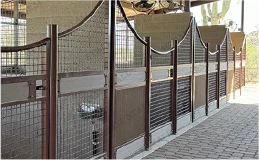
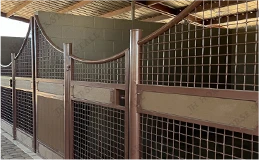
Stall construction commonly employs wood (various species, pressure-treated), steel (galvanized or stainless), and composite materials (plastic lumber, rubber matting). Wood, particularly hardwoods like oak and maple, offers natural strength and aesthetic appeal but is susceptible to moisture damage, rot, and insect infestation. Pressure treatment with chromated copper arsenate (CCA) – now largely phased out due to environmental concerns – or alkaline copper quaternary (ACQ) enhances wood’s resistance to decay. Steel provides high strength and durability but requires corrosion protection (galvanization or powder coating) and can be prone to condensation. Composite materials offer a balance of durability, low maintenance, and resistance to environmental factors, but may have lower initial strength compared to steel.
Manufacturing processes vary. Wood stalls are typically fabricated using mortise-and-tenon joinery, reinforced with screws and bolts. Steel stalls are welded constructions, often incorporating pre-fabricated panels. Composite stall components are often extruded or molded. Key parameter control involves moisture content of wood (below 20% for optimal stability), weld quality in steel structures (AWS D1.1 compliance), and resin density/UV stabilization in composites. Footing materials (sand, clay, wood shavings, rubber granules) undergo rigorous particle size analysis and contaminant screening. Ventilation systems utilize fan curves, duct sizing calculations (based on CFM requirements), and filter efficiency ratings (MERV 8 or higher for particulate matter removal). Rubber matting, often EPDM or recycled rubber, requires control over hardness (durometer), tensile strength, and UV resistance to prevent degradation and cracking.
Performance & Engineering
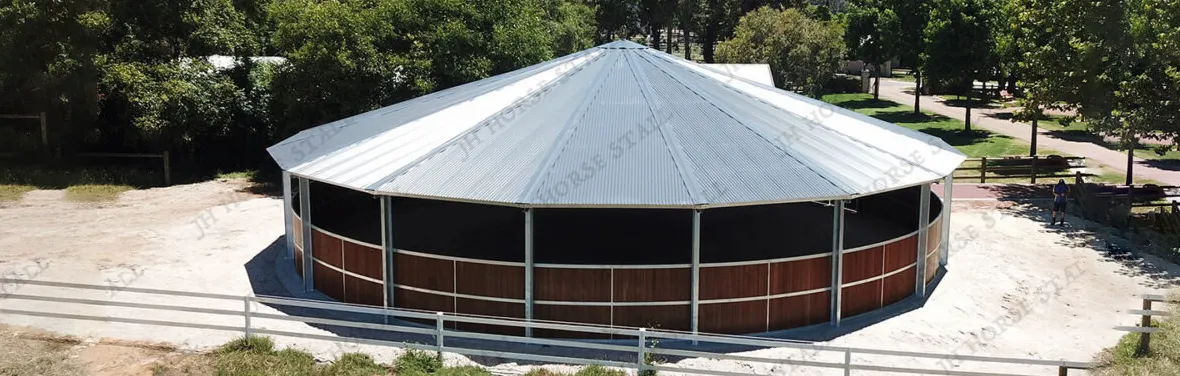
Stall design necessitates consideration of force analysis. Horses exert significant lateral and vertical forces against stall walls. Structural calculations must account for impact loads, dynamic loads (horse movement), and static loads (horse weight). Steel stall designs prioritize load-bearing capacity and shear strength, utilizing finite element analysis (FEA) to optimize structural members. Wood stall designs rely on robust joinery and bracing to distribute loads effectively. Ventilation systems are engineered to maintain air quality parameters, minimizing ammonia concentrations (below 25 ppm) and dust levels (below 10 mg/m³). Airflow patterns are modeled using computational fluid dynamics (CFD) to ensure adequate circulation and prevent stagnant zones. The geometry of the stable building itself impacts natural ventilation; roof pitch, window placement, and building orientation are all critical design considerations. Drainage systems are engineered to rapidly remove wastewater and prevent the accumulation of moisture, mitigating the risk of bacterial growth and hoof problems. Compliance requirements include adherence to local building codes, fire safety regulations (NFPA standards), and animal welfare guidelines established by organizations like the American Association of Equine Practitioners (AAEP).
Technical Specifications
| Stall Material | Tensile Strength (MPa) | Water Absorption (%) | Service Life (Years) |
|---|---|---|---|
| Pressure-Treated Pine | 60-80 | 15-25 | 10-20 |
| Galvanized Steel (A36) | 400-550 | <1 | 25-50 |
| Composite Lumber (HDPE) | 30-50 | <1 | 30-50 |
| EPDM Rubber Matting | 10-20 | <2 | 10-15 |
| Sand (Footing) | N/A | N/A | Requires Regular Replacement |
| Wood Shavings (Footing) | N/A | 20-30 | Short Term – Requires Frequent Replacement |
Failure Mode & Maintenance
Common failure modes in stable construction include wood rot (caused by fungal decay), steel corrosion (due to exposure to moisture and electrolytes), and composite material degradation (from UV exposure and mechanical stress). Fatigue cracking in steel welds can occur under repeated loading. Delamination of composite materials can result from poor bonding or excessive moisture absorption. Footing materials can become compacted, contaminated, or unevenly distributed. Ventilation systems can suffer from fan failures, filter clogging, and ductwork leaks.
Preventative maintenance is crucial. Wood structures require regular inspection for rot and insect damage, followed by treatment with preservatives or replacement of affected components. Steel structures require periodic inspection for corrosion and re-coating as needed. Composite materials should be cleaned regularly to remove dirt and debris, and UV protectants should be applied as recommended by the manufacturer. Footing materials require regular leveling, aeration, and replacement as needed. Ventilation systems require routine filter changes, fan maintenance, and ductwork inspections. A comprehensive maintenance schedule, including documented inspections and repair logs, is essential for extending the service life of the stable and ensuring optimal performance. Failure analysis, including visual inspection, non-destructive testing (NDT), and material testing, should be conducted when significant failures occur to identify root causes and prevent recurrence.
Industry FAQ
Q: What is the optimal stall size for a 16-hand horse?
A: A minimum stall size of 12ft x 12ft is generally recommended for a 16-hand horse. However, larger stalls (12ft x 14ft or 14ft x 14ft) are preferable to allow for greater freedom of movement and reduce the risk of injury. Considerations include the horse's breed, temperament, and whether it will be stalled for extended periods.
Q: How often should stable bedding be replaced?
A: Bedding should be removed and replaced at least daily, and a full bedding change should occur weekly or more frequently depending on the bedding material, the number of horses, and the stall management practices. Inadequate bedding removal leads to ammonia buildup and increases the risk of respiratory problems.
Q: What are the key considerations for stable ventilation?
A: Effective stable ventilation requires a combination of natural and mechanical systems. Natural ventilation relies on airflow through windows and doors. Mechanical ventilation, using fans and exhaust systems, is crucial for removing ammonia, dust, and moisture. Proper ventilation design should ensure adequate air exchange rates and prevent stagnant air pockets.
Q: What type of footing is best suited for an indoor riding arena?
A: Deep sand, a sand-clay mix, or synthetic footing materials (rubber granules mixed with sand or fiber) are commonly used for indoor arenas. The optimal footing depends on the discipline (dressage, jumping, etc.) and the rider’s preference. Considerations include impact absorption, cushioning, and traction.
Q: What are the best practices for preventing corrosion in steel stable components?
A: Galvanization, powder coating, and regular maintenance are essential for preventing corrosion. Galvanization provides a sacrificial layer of zinc that protects the underlying steel. Powder coating provides a durable, protective coating. Regular inspection and repair of damaged coatings are crucial for maintaining corrosion protection.
Conclusion
The design and maintenance of horse riding stables require a comprehensive understanding of material science, engineering principles, and equine welfare considerations. Prioritizing durable, corrosion-resistant materials, implementing robust ventilation systems, and adhering to preventative maintenance schedules are essential for ensuring the long-term safety, health, and operational efficiency of the facility. Effective stable management relies on a holistic approach, encompassing structural integrity, air quality, and footing quality.
Future developments in stable technology will likely focus on the integration of smart sensors for monitoring environmental parameters (temperature, humidity, ammonia levels), automated cleaning systems, and advanced materials with improved durability and sustainability. Continuous improvement in stable design and management practices is vital for maintaining high standards of equine welfare and minimizing operational costs.
-
Rock Creek Park Horse Stables Material Performance Analysis
-
horses in the stable ty dolla Structural Engineering and Material Analysis
-
horse stables for sale Construction and Performance
-
horse riding stable near me Material Science Manufacturing
-
boarding horse stables Performance Analysis
-
toy horse with stable Performance Analysis
-
stables for horses Performance and Engineering
-
small horse stable floor plans Performance Analysis
-
minecraft horse stables Performance Engineering
-
melissa and doug horse stable Material Science and Manufacturing
-
horses in the stable song Material Science and Manufacturing
-
horse stable in minecraft Performance and Engineering
-
Horse in a stable Structural Engineering and Performance Analysis
-
boarding stables for horses Material Science and Manufacturing
-
Pasture Turnout will pasturing horses reduce stable vices Performance Analysis