



Apr . 01, 2024 17:55 Back to list
Horse riding stables near me Performance and Engineering
Introduction
Horse riding stables, encompassing the facilities and infrastructure supporting equine activities, represent a critical component of the recreational and competitive equestrian industry. This guide details the technical considerations involved in their construction, maintenance, and operation, focusing on the interplay between animal welfare, safety, and long-term structural integrity. The industry chain extends from land acquisition and site preparation through stable construction, fencing, footing material selection, and ongoing maintenance programs. Core performance indicators revolve around animal health and safety (reducing injury rates), structural durability (minimizing repair costs and downtime), and operational efficiency (optimizing resource utilization – water, energy, waste management). Addressing the core pain points of moisture management, impact resistance, and biosecurity is paramount for stable operators and investors.
Material Science & Manufacturing
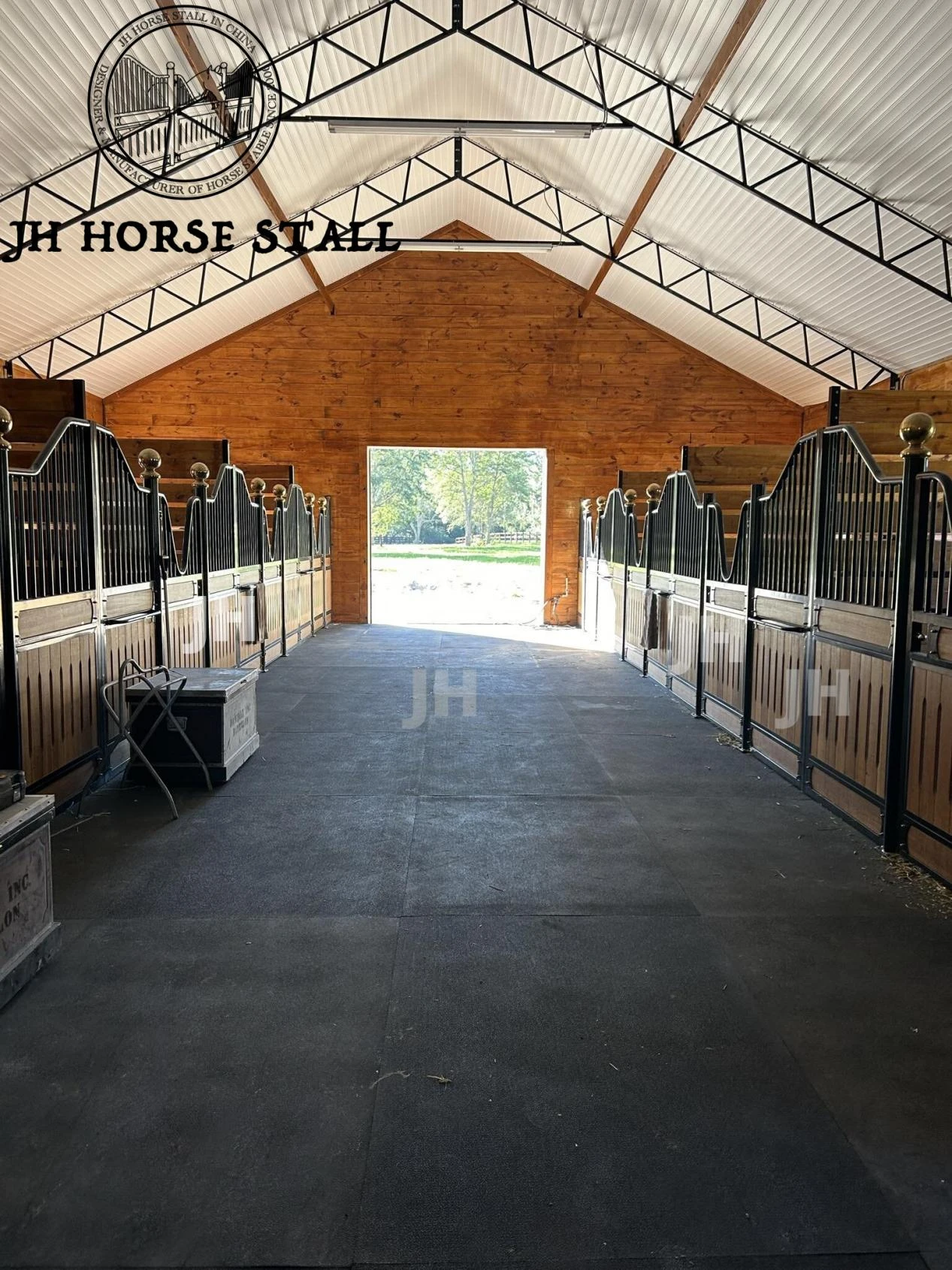
Stable construction employs a variety of materials, each with unique properties. Timber, traditionally favored, requires pressure treatment with preservatives (Copper Azole, Borate) to resist fungal decay and insect infestation. Steel framing, increasingly common, necessitates corrosion protection through galvanization or powder coating. Concrete foundations demand appropriate aggregate selection and reinforcement to withstand static and dynamic loads. Stall construction utilizes wood, metal, or composite materials. Wood, particularly hardwood species like oak or maple, offers aesthetic appeal and impact resistance but is susceptible to damage from chewing or kicking. Metal stall components (bars, gates) typically utilize high-strength steel alloys with a smooth finish to prevent injury. Footing materials are critical; options include clay, sand, wood shavings, rubber granules, and synthetic fibers. Clay provides good compaction but requires regular watering to maintain optimal consistency. Sand offers cushioning but may migrate. Rubber granules and synthetic fibers minimize dust and improve drainage but require careful consideration regarding composition and potential environmental impact. Manufacturing processes include timber milling and treatment, steel fabrication (welding, cutting, forming), concrete mixing and pouring, and composite molding. Key parameters for timber treatment include preservative concentration and penetration depth. Steel fabrication must adhere to strict welding codes (AWS D1.1) and dimensional tolerances. Concrete mixing ratios and curing times are critical for achieving desired compressive strength.
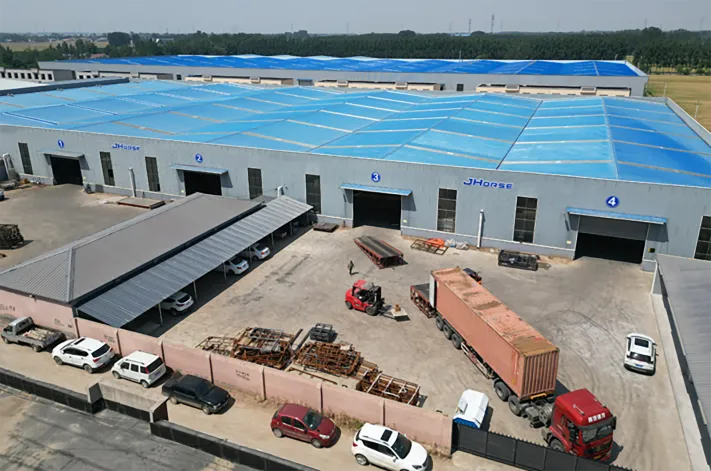
Performance & Engineering
The structural performance of stables hinges on load-bearing capacity and resistance to environmental factors. Roof loads (snow, wind) necessitate engineered designs and appropriate support structures. Stall construction must withstand the force exerted by a horse leaning, kicking, or attempting to escape. Force analysis involves calculating dynamic loads based on horse weight, movement patterns, and potential impact forces. Environmental resistance encompasses protection against moisture ingress (leading to rot and corrosion), UV degradation (affecting wood and plastics), and temperature fluctuations (causing expansion and contraction). Compliance requirements vary by jurisdiction but generally include building codes, zoning regulations, and animal welfare standards. Drainage systems are crucial for managing rainwater runoff and preventing waterlogging. Ventilation systems maintain air quality and reduce ammonia levels. Lighting systems provide adequate illumination for safe operation and animal monitoring. Footing depth and composition influence impact absorption and traction, affecting horse biomechanics and reducing the risk of musculoskeletal injuries. Biosecurity protocols require careful consideration of material selection (easy-to-clean surfaces) and facility design (isolation areas for sick animals). Fire safety is paramount, requiring fire-resistant materials and emergency evacuation plans.
Technical Specifications
| Material | Property | Specification | Testing Standard |
|---|---|---|---|
| Timber (Pressure Treated) | Moisture Content | <19% | ASTM D143 |
| Steel (Galvanized) | Zinc Coating Thickness | ≥ 85 μm | ASTM A123 |
| Concrete (Foundation) | Compressive Strength | ≥ 28 MPa | ASTM C39 |
| Wood Shavings (Footing) | Particle Size | 0.5-2.0 cm | Visual Inspection |
| Rubber Granules (Footing) | Impact Absorption | >60% at 2m drop height | ASTM F1951 |
| Steel Stall Bars | Yield Strength | ≥ 345 MPa | ASTM A36 |
Failure Mode & Maintenance
Common failure modes in stables include timber rot and decay (due to moisture and fungal attack), steel corrosion (from exposure to weather and equine waste), concrete cracking (caused by freeze-thaw cycles and structural overload), and footing degradation (compaction, migration, contamination). Fatigue cracking can occur in stall components subjected to repeated stress. Delamination can affect composite materials used in stall construction. Oxidation can compromise metal surfaces. Maintenance solutions include regular timber inspections and re-treatment, steel coating repairs, concrete crack sealing, footing replenishment and leveling, and stall component replacement. Preventative maintenance programs should include routine cleaning, drainage system checks, ventilation system maintenance, and structural inspections. Addressing moisture issues promptly is critical to prevent widespread damage. Regularly inspecting and tightening stall hardware prevents injury. Proper footing maintenance ensures optimal horse comfort and safety. Periodic professional structural assessments are recommended to identify potential problems before they escalate.
Industry FAQ
Q: What are the key considerations for choosing between timber and steel stall construction?
A: Timber offers aesthetic appeal and lower initial cost but requires more maintenance to prevent rot and insect damage. Steel is more durable and requires less maintenance but is more expensive upfront and can feel colder to the touch. Consider the climate, budget, and desired aesthetic when making the decision. Impact resistance is comparable with appropriately sized materials.
Q: How important is footing depth and composition for horse welfare?
A: Footing depth and composition directly impact horse biomechanics and injury risk. Insufficient depth can lead to concussion and joint stress. Incorrect composition can create slippery or uneven surfaces. Optimal depth varies depending on discipline (e.g., deeper footing for jumping). A well-maintained footing provides cushioning, traction, and stability.
Q: What are the common causes of concrete foundation failure in stable construction?
A: Freeze-thaw cycles, poor drainage, and inadequate reinforcement are common causes of concrete foundation failure. Water penetration can lead to cracking and spalling. Ensure proper drainage around the foundation and use air-entrained concrete to improve freeze-thaw resistance. Adequate steel reinforcement is essential for structural integrity.
Q: How can stable operators minimize the risk of moisture-related damage?
A: Proper ventilation, effective drainage, and regular inspections are crucial for minimizing moisture-related damage. Ensure gutters and downspouts are clear and functional. Address any leaks promptly. Consider using moisture-resistant materials in construction and apply protective coatings where appropriate. Good barn management practices, such as proper manure removal, also help reduce moisture levels.
Q: What are the biosecurity implications of stable material selection?
A: Materials should be non-porous, easy to clean, and disinfect. Smooth surfaces minimize the risk of harboring pathogens. Avoid materials that absorb moisture and promote microbial growth. Consider using antimicrobial coatings in high-traffic areas. Implement strict cleaning and disinfection protocols.
Conclusion
The construction and maintenance of horse riding stables are complex undertakings requiring a thorough understanding of material science, engineering principles, and industry best practices. Successful operation necessitates a proactive approach to preventative maintenance, focusing on moisture management, structural integrity, and biosecurity. The selection of appropriate materials and construction techniques directly impacts animal welfare, safety, and long-term cost-effectiveness.
Investing in durable materials, meticulous construction, and a robust maintenance program is paramount for ensuring the longevity and functionality of stables. Continuous monitoring of structural components, footing conditions, and environmental factors is essential for identifying potential problems before they escalate. Adherence to relevant industry standards and regulations is crucial for maintaining compliance and ensuring a safe environment for both horses and humans.
-
Star Stable Horses Technical Analysis
-
Horse Stabling Material Science and Performance
-
horse stable stardew Performance Analysis
-
Horse riding stables near me Performance and Engineering
-
horse stables in minecraft Performance Analysis
-
Horse Stable Urine Performance Analysis
-
Stable and Horse Structural Engineering
-
Horses in the stable Material Science and Manufacturing
-
horse boarding stables Material Science and Manufacturing
-
Horse Stabling Material Science and Performance
-
horse stables Material Science and Manufacturing
-
minecraft horse stable Performance Analysis
-
horse stable minecraft Structural Analysis
-
Horse Stables Near Me Performance and Engineering
-
Horse Stable Construction Performance Analysis