



Apr . 01, 2024 17:55 Back to list
horse stable barn Structural Engineering
Introduction
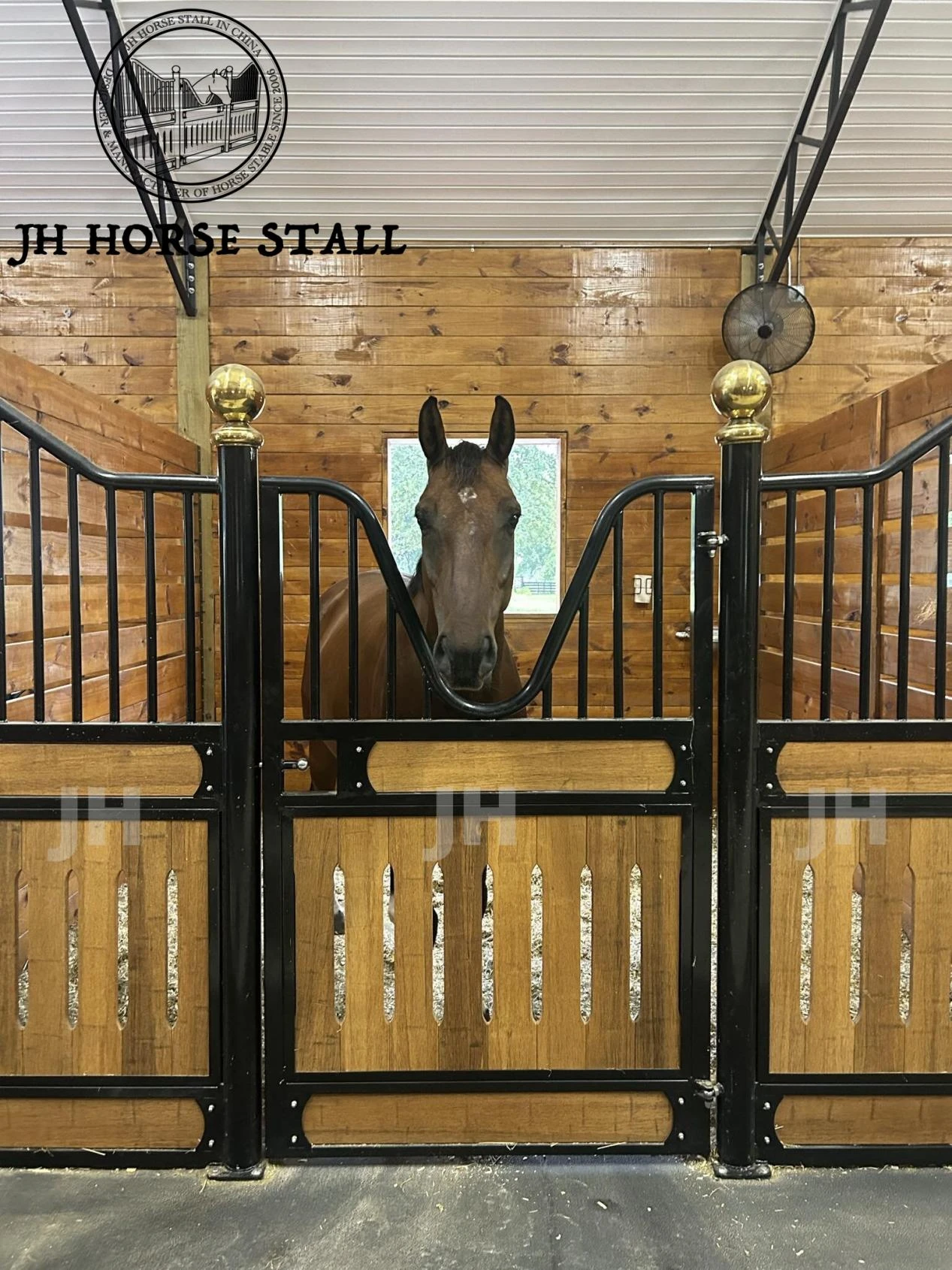
Horse stable barns are engineered structures designed to provide shelter, security, and a controlled environment for equines. Positioned within the broader agricultural infrastructure, they represent a critical component of livestock management, impacting animal welfare, breeding efficiency, and overall farm productivity. Modern stable barns have evolved significantly from rudimentary shelters, incorporating advanced materials, ventilation systems, and safety features to address specific equine needs and industry best practices. Core performance characteristics include structural integrity to withstand environmental loads, thermal regulation for equine comfort, hygienic material selection to minimize disease transmission, and appropriate stall design for animal safety and ease of management. The industry faces challenges including increasing land costs, stringent environmental regulations regarding waste management, and the need for optimized building designs that balance cost-effectiveness with animal wellbeing.
Material Science & Manufacturing
The primary structural components of horse stable barns traditionally rely on timber framing, though steel and concrete are increasingly employed for larger, more complex designs. Timber species like Douglas Fir and Southern Yellow Pine are favored for their strength-to-weight ratio and inherent resistance to decay, though require preservative treatment (e.g., borate impregnation, chromated copper arsenate - CCA - though phasing out due to environmental concerns). Steel framing utilizes high-strength, low-alloy steel (HSLA) grades for enhanced corrosion resistance. Concrete foundations require a minimum compressive strength of 3000 psi, reinforced with rebar to distribute tensile stresses. Stall construction commonly employs hardwoods like oak or maple for durability against impact and chewing. Wall cladding materials include wood siding, metal sheeting (galvanized steel or aluminum), and concrete block. Manufacturing processes vary based on material. Timber framing involves precision cutting, joinery (mortise and tenon, dovetail), and assembly. Steel structures utilize welding (SMAW, GMAW), bolting, and prefabricated truss systems. Concrete is cast in situ or precast, with careful attention to aggregate grading, cement hydration, and curing processes. Key parameter control includes moisture content of timber (below 20%), weld quality inspection (NDT methods), concrete slump testing, and proper fastener torque specifications. Ventilation systems employ galvanized steel ductwork and high-efficiency fans to ensure adequate airflow and minimize ammonia buildup.

Performance & Engineering
Structural performance of stable barns is governed by load analysis considering dead loads (weight of materials), live loads (animals, hay, equipment), wind loads, snow loads, and seismic loads (in applicable regions). Engineering calculations utilizing finite element analysis (FEA) are crucial for optimizing structural design and ensuring safety. Force analysis focuses on shear forces, bending moments, and axial loads within the framing members. Environmental resistance is a key concern. Material selection must consider UV degradation (for exterior cladding), moisture ingress (leading to rot or corrosion), and temperature fluctuations (causing expansion/contraction). Barns require adequate insulation (R-value of at least R-13 in walls, R-30 in roofs) to maintain stable internal temperatures and reduce energy consumption. Compliance requirements vary by jurisdiction, but generally include building codes addressing fire safety (NFPA 720, IBC), structural integrity (ASCE 7), and accessibility (ADA). Functional implementation details include stall dimensions (minimum 12ft x 12ft for draft horses), flooring materials (rubber mats, compacted clay, or concrete), drainage systems to manage waste, and appropriate lighting levels for animal welfare and human operation (minimum 10 foot-candles). Proper stall design prevents entrapment injuries and allows for natural equine behavior.
Technical Specifications
| Parameter | Unit | Typical Value (Wood Frame) | Typical Value (Steel Frame) |
|---|---|---|---|
| Maximum Wind Load | mph | 90 | 120 |
| Snow Load Capacity | psf | 40 | 60 |
| R-Value (Wall Insulation) | hr·ft²·°F/BTU | R-13 | R-19 |
| R-Value (Roof Insulation) | hr·ft²·°F/BTU | R-30 | R-38 |
| Wood Moisture Content | % | <19 | N/A |
| Steel Yield Strength | psi | N/A | 50,000 |
Failure Mode & Maintenance
Common failure modes in horse stable barns include timber rot due to moisture ingress, corrosion of steel components (particularly in coastal environments), concrete cracking from freeze-thaw cycles, and stall damage from equine behavior. Fatigue cracking can occur in steel connections subjected to repetitive loading. Delamination of wood siding can result from improper installation or inadequate weather protection. Degradation of roofing materials (shingles, metal) occurs through UV exposure and thermal cycling. Oxidation of metal fasteners leads to weakening and potential failure. Maintenance solutions include regular inspections for signs of decay, corrosion, or cracking. Preservative treatment of timber (re-application as needed) is essential. Corrosion-resistant coatings should be applied to steel surfaces. Concrete cracks should be sealed to prevent water infiltration. Stall repairs should be performed promptly to prevent injuries. Ventilation systems require periodic cleaning and fan maintenance. Proper drainage management is critical to prevent moisture buildup around the foundation. Annual inspections by a qualified structural engineer are recommended, especially for larger or more complex barns. Regular removal of manure and bedding is crucial for hygiene and reducing ammonia concentrations.
Industry FAQ
Q: What is the expected lifespan of a well-maintained timber-framed stable barn?
A: A timber-framed stable barn, with regular preventative maintenance, can realistically have a lifespan of 50-75 years. However, this is heavily dependent on the quality of the timber used, the effectiveness of preservative treatments, and the severity of the local climate. Consistent monitoring for rot and insect damage is paramount.
Q: How does steel framing compare to timber framing in terms of fire resistance?
A: Steel framing, while non-combustible, loses strength at high temperatures encountered in a fire. Timber, when dimensioned appropriately, can actually maintain structural integrity for a longer period during a fire, as it chars and forms an insulating layer. Both materials require appropriate fire-resistant coatings and adherence to building code fire safety regulations.
Q: What are the key considerations for ventilation to minimize respiratory issues in horses?
A: Adequate ventilation is critical to remove ammonia, dust, and airborne pathogens. Natural ventilation (ridge vents, sidewall openings) should be supplemented with mechanical ventilation (exhaust fans) to ensure sufficient air exchange. Airflow should be designed to avoid direct drafts on horses. Ammonia levels should be monitored regularly and kept below 25 ppm.
Q: What is the recommended stall flooring material for minimizing injury risk and maximizing comfort?
A: Rubber stall mats are widely considered the best option for minimizing impact and providing cushioning, thereby reducing the risk of leg injuries. Clay or compacted gravel can also be used, but require more frequent maintenance to maintain a consistent and level surface. Concrete flooring should always be covered with a cushioning material.
Q: How do I ensure my barn meets local building codes and zoning regulations?
A: The first step is to consult with your local building department to understand the specific requirements in your jurisdiction. This includes obtaining necessary permits, submitting construction plans, and undergoing inspections throughout the building process. Engaging a qualified architect or engineer familiar with local codes is highly recommended.
Conclusion
The successful construction and long-term performance of horse stable barns rely on a holistic understanding of material science, structural engineering, and equine behavioral needs. Proper material selection, meticulous manufacturing processes, and adherence to rigorous building codes are essential for creating a safe, comfortable, and durable environment for horses. The ongoing trend toward sustainable building practices necessitates a focus on energy efficiency, waste reduction, and environmentally friendly materials.
Future innovations in stable barn design will likely center around advanced ventilation systems, automated waste management solutions, and the integration of smart technologies for environmental monitoring and animal health tracking. Continued research into equine behavior and welfare will further inform barn designs that optimize animal comfort and minimize stress, contributing to improved breeding efficiency and overall farm profitability.
-
Star Stable Horses Technical Analysis
-
Horse Stabling Material Science and Performance
-
horse stable stardew Performance Analysis
-
Horse riding stables near me Performance and Engineering
-
horse stables in minecraft Performance Analysis
-
Horse Stable Urine Performance Analysis
-
Stable and Horse Structural Engineering
-
Horses in the stable Material Science and Manufacturing
-
horse boarding stables Material Science and Manufacturing
-
Horse Stabling Material Science and Performance
-
horse stables Material Science and Manufacturing
-
minecraft horse stable Performance Analysis
-
horse stable minecraft Structural Analysis
-
Horse Stables Near Me Performance and Engineering
-
Horse Stable Construction Performance Analysis