



Apr . 01, 2024 17:55 Back to list
horse stable designs Material Science

Introduction
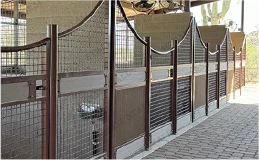
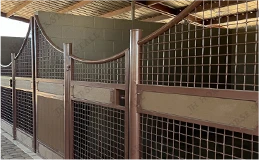
Horse stable design represents a critical intersection of animal welfare, structural engineering, and materials science. Beyond providing shelter, a well-designed stable mitigates health risks for equines, facilitates efficient management practices, and ensures longevity through resistance to environmental and biological stressors. Historically, stables were constructed primarily from timber and natural stone. Modern stables increasingly employ engineered wood products, steel, aluminum, and specialized composite materials to achieve enhanced structural performance, fire resistance, and biosecurity. This guide details the technical considerations surrounding horse stable construction, encompassing material selection, engineering principles, performance characteristics, potential failure modes, and relevant industry standards. The core challenge lies in balancing cost-effectiveness with the stringent requirements for equine health and safety, addressing factors like ventilation, sanitation, and impact resistance. Effective stable design demands a thorough understanding of equine behavior and physiological needs, translating these into concrete engineering and material specifications.
Material Science & Manufacturing
The primary materials for horse stable construction fall into several categories: wood (timber, engineered lumber), metals (steel, aluminum), concrete, and plastics (polyethylene, polypropylene). Timber, particularly pressure-treated varieties like Southern Yellow Pine or Douglas Fir, remains a prevalent choice for stall components due to its workability and cost-effectiveness. However, susceptibility to rot, insect infestation, and fire necessitates careful treatment and preventative maintenance. Engineered lumber, such as Glulam (Glue-laminated timber) and LVL (Laminated Veneer Lumber), offers increased strength and dimensional stability. Steel framing provides superior structural integrity and fire resistance, particularly suitable for larger stable structures or high-traffic areas. Aluminum, while more expensive, exhibits excellent corrosion resistance, making it ideal for roofing and drainage systems. Concrete is primarily utilized for foundations and flooring, providing a durable and stable base. Manufacturing processes vary depending on the material. Timber undergoes sawing, planing, and pressure treating. Steel is typically hot-rolled or cold-formed into desired profiles, followed by galvanization or powder coating for corrosion protection. Concrete mixing involves precise proportioning of cement, aggregates, and water, with curing crucial for strength development. Polyethylene and polypropylene are often extruded or injection-molded into stall mats and other components. Key parameters to control during manufacturing include wood moisture content (targeting 12-18%), steel yield strength, concrete compressive strength (typically 25-35 MPa), and plastic density and impact resistance. Weld quality in steel structures is paramount, requiring certified welders and adherence to AWS D1.1 standards.
Performance & Engineering
Stable performance is evaluated based on structural load capacity, environmental resistance (wind, snow, rain), and equine impact resistance. Force analysis is critical, considering live loads (horses, occupants), dead loads (building materials), and environmental loads. Stall walls must withstand significant lateral forces exerted by horses leaning or kicking. Roof structures must support snow loads and resist wind uplift. Engineering considerations include proper foundation design to prevent settling, adequate ventilation to maintain air quality and minimize ammonia buildup, and appropriate drainage to prevent water accumulation and corrosion. Stall dimensions are dictated by equine size and breed, typically ranging from 12ft x 12ft for standard horses to larger stalls for draft breeds. Compliance requirements vary by region, often dictated by local building codes and animal welfare regulations. Fire resistance is a key safety concern, requiring the use of fire-retardant materials and appropriate fire suppression systems. Impact resistance is crucial to prevent injury to horses, necessitating robust stall construction and the use of padded walls or stall mats. The selection of appropriate fastening systems (bolts, screws, nails) is also essential to ensure structural integrity and prevent loosening over time. Finite Element Analysis (FEA) is increasingly used to optimize stable designs and predict structural behavior under various loading conditions. Thermal performance, minimizing heat buildup in summer and heat loss in winter, impacts equine comfort and energy consumption.
Technical Specifications
| Material | Tensile Strength (MPa) | Yield Strength (MPa) | Water Absorption (%) | Fire Resistance Rating (hours) |
|---|---|---|---|---|
| Pressure-Treated Southern Yellow Pine | 60-80 | 35-45 | 15-25 | 1-2 (untreated) |
| Glulam | 70-90 | 40-50 | 10-15 | 2-3 (untreated) |
| Steel (A36) | 400-550 | 250 | Negligible | 1-2 (untreated) |
| Aluminum (6061-T6) | 310 | 276 | Negligible | 0.5-1 (untreated) |
| Concrete (30 MPa) | N/A (Compressive) | N/A | 5-10 | 2-4 |
| Polyethylene (HDPE) | 20-30 | 10-15 | Negligible | 0.5-1 (self-extinguishing grades available) |
Failure Mode & Maintenance
Common failure modes in horse stables include wood rot and decay (particularly in untreated timber), steel corrosion (due to moisture and equine urine), concrete cracking (due to freeze-thaw cycles and excessive loading), and plastic degradation (from UV exposure). Fatigue cracking can occur in steel framing due to repeated stress from equine movement. Delamination of engineered wood products can result from moisture ingress and inadequate adhesive bonding. Oxidation of metal components leads to reduced strength and aesthetic deterioration. Preventative maintenance is crucial to prolong stable lifespan. Regular inspections should identify and address early signs of rot, corrosion, or cracking. Wood components should be re-treated with preservatives as needed. Steel surfaces should be cleaned and re-coated with protective coatings. Concrete cracks should be sealed to prevent water penetration. Stall mats should be inspected for damage and replaced when necessary. Proper ventilation and drainage are essential to minimize moisture buildup and mitigate corrosion and rot. Routine cleaning with appropriate disinfectants helps prevent the growth of mold and bacteria, improving equine health and extending the life of materials. Addressing minor repairs promptly prevents them from escalating into major structural problems. Periodically tightening bolts and screws ensures structural integrity.
Industry FAQ
Q: What is the optimal stall size for a 16-hand Thoroughbred?
A: For a 16-hand Thoroughbred, a minimum stall size of 12ft x 12ft is recommended, although 12ft x 14ft provides significantly more comfort and space for movement. This allows sufficient room for turning, lying down comfortably, and avoiding collisions with stall walls, reducing the risk of injury. Consideration should be given to the horse's temperament and activity level; more active horses benefit from larger stalls.
Q: How can I mitigate the risk of ammonia buildup in a closed stable environment?
A: Mitigating ammonia buildup requires a multi-faceted approach. First, ensure excellent ventilation with both natural airflow and mechanical exhaust fans. Regular removal of manure and urine-soaked bedding is crucial. The use of absorbent bedding materials, such as wood shavings or peat moss, helps reduce ammonia production. Consider incorporating lime into bedding to neutralize acidity and further reduce ammonia emissions. Regular cleaning of stable surfaces prevents ammonia accumulation.
Q: What are the key considerations for stable flooring to prevent equine injuries?
A: Stable flooring should provide a non-slip, cushioned surface to minimize the risk of sprains and laminitis. Options include concrete with rubber mats, clay or sand bedding, or specialized interlocking rubber flooring. Rubber mats should be thick enough (at least 45mm) to provide adequate cushioning. Proper drainage is essential to prevent moisture buildup and maintain a dry, hygienic surface. Avoid flooring materials with sharp edges or protrusions that could cause injury.
Q: What level of fire resistance is typically required for stable structures?
A: Fire resistance requirements vary by jurisdiction, but generally, stable structures should meet at least a 1-hour fire resistance rating. This often necessitates the use of fire-retardant materials for stall walls, roofing, and framing. Fire suppression systems, such as sprinklers or fire extinguishers, are also recommended. Clear fire exits and emergency evacuation plans are essential for ensuring the safety of both horses and personnel.
Q: What are the advantages of using steel framing versus traditional timber framing for a large stable complex?
A: Steel framing offers several advantages over timber for large stable complexes. It provides superior structural strength and stability, enabling larger spans and reduced reliance on internal support columns. Steel is non-combustible, offering enhanced fire resistance. It is also less susceptible to rot, insect infestation, and warping. While the initial cost may be higher, steel framing generally requires less maintenance and has a longer lifespan than timber, resulting in lower life-cycle costs.
Conclusion
The successful design of horse stables hinges on a comprehensive understanding of equine needs, coupled with rigorous engineering principles and informed material selection. Addressing factors such as structural integrity, environmental resistance, fire safety, and hygiene is paramount to ensure the health, safety, and well-being of horses and personnel. The selection of materials requires careful consideration of their physical properties, durability, and cost-effectiveness, balanced against specific performance requirements.
Future advancements in stable design will likely focus on incorporating sustainable materials, optimizing ventilation systems for improved air quality, and utilizing smart technologies for remote monitoring of environmental conditions and equine behavior. The integration of prefabricated components and modular designs will streamline construction and reduce costs. Continued research into equine biomechanics will further refine stall designs to minimize injury risk and enhance equine comfort.
-
Star Stable Horses Technical Analysis
-
Horse Stabling Material Science and Performance
-
horse stable stardew Performance Analysis
-
Horse riding stables near me Performance and Engineering
-
horse stables in minecraft Performance Analysis
-
Horse Stable Urine Performance Analysis
-
Stable and Horse Structural Engineering
-
Horses in the stable Material Science and Manufacturing
-
horse boarding stables Material Science and Manufacturing
-
Horse Stabling Material Science and Performance
-
horse stables Material Science and Manufacturing
-
minecraft horse stable Performance Analysis
-
horse stable minecraft Structural Analysis
-
Horse Stables Near Me Performance and Engineering
-
Horse Stable Construction Performance Analysis