




Apr . 01, 2024 17:55 Back to list
horse stable near me Performance and Engineering

Introduction
Horse stables, broadly defined, are structures designed to house horses, providing shelter, security, and a controlled environment for their well-being. The "near me" aspect highlights the increasing demand for localized equestrian facilities driven by the growth in recreational and competitive horse ownership. This guide will detail the materials, manufacturing processes, performance characteristics, and maintenance considerations for modern horse stable construction, focusing on commercially available and industry-standard solutions. The technical position within the agricultural and construction industries is significant, bridging structural engineering, animal welfare, and bio-security protocols. Core performance centers on structural integrity – resisting dynamic loads from horses – environmental control – protecting from weather extremes – and hygiene maintenance – minimizing disease transmission. Key considerations include stall size, ventilation, flooring material, and overall structural design to ensure horse safety and longevity of the facility.
Material Science & Manufacturing
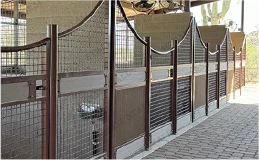
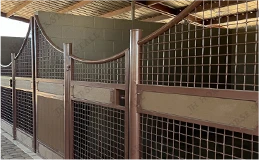
The primary materials used in horse stable construction are wood, steel, aluminum, and concrete, often in combination. Wood, typically pressure-treated pine or hardwoods like oak, offers cost-effectiveness and aesthetic appeal, but is susceptible to rot, insect damage, and fire. Steel, particularly galvanized steel or stainless steel, provides high strength and durability, resisting deformation under significant load. Aluminum is lightweight and corrosion-resistant, suitable for framing and roofing components, but has lower strength compared to steel. Concrete is employed for foundations and flooring, providing a stable base and improving hygiene. Manufacturing processes vary depending on the material. Wood components are often milled, planed, and joined using traditional carpentry techniques or modern engineered wood products like glue-laminated timber. Steel structures are fabricated through welding, bolting, and cold-forming. Aluminum components are typically extruded or cast. Concrete is mixed, poured, and cured. Critical parameters include wood moisture content (target <20% for durability), steel yield strength (minimum 36 ksi for structural members), concrete compressive strength (minimum 3000 psi), and galvanization coating thickness (minimum 1.2 oz/ft² for corrosion resistance). Proper material selection and manufacturing execution are crucial to prevent premature failure and ensure the long-term performance of the stable structure.

Performance & Engineering
Horse stable performance is fundamentally dictated by its ability to withstand dynamic loads. Horses exert significant forces, both static (standing weight) and dynamic (movement, kicking, leaning). Structural engineering principles, including load distribution, stress analysis, and factor of safety, are essential. Stall walls must resist lateral forces, while roofing structures need to support snow loads and wind uplift. Ventilation is critical for air quality, controlling ammonia levels from urine and manure, and preventing respiratory problems in horses. Natural ventilation relies on convection and wind pressure, while mechanical ventilation employs fans to ensure adequate air exchange rates (typically 4-8 air changes per hour). Flooring materials must provide adequate traction to prevent slips and falls, and sufficient cushioning to reduce joint stress. Common flooring options include clay, sand, rubber mats, and concrete with bedding. Environmental resistance encompasses protection from rain, snow, extreme temperatures, and UV degradation. Building codes and local regulations dictate compliance requirements related to structural integrity, fire safety, and animal welfare. Bio-security considerations include designing stable layouts to minimize disease transmission and employing materials that are easy to disinfect.
Technical Specifications
| Parameter | Unit | Typical Value (Wood Stall) | Typical Value (Steel Stall) |
|---|---|---|---|
| Stall Width | ft | 12 | 12 |
| Stall Depth | ft | 12 | 12 |
| Wall Height | ft | 8 | 8 |
| Wood Species (Wall) | - | Pressure-Treated Pine | N/A |
| Steel Grade (Frame) | ksi | N/A | A36 |
| Galvanization Coating Thickness | oz/ft² | N/A | 1.2 |
| Roof Load Capacity | psf | 30 | 40 |
Failure Mode & Maintenance
Common failure modes in horse stables include wood rot and insect infestation (leading to structural weakness), steel corrosion (compromising integrity), concrete cracking (reducing hygiene and stability), and fastener failure (causing component detachment). Fatigue cracking in steel stalls can occur from repeated impact forces. Delamination of engineered wood products is also a concern. UV degradation of plastic components and roofing materials can reduce their lifespan. Maintenance is crucial to prevent these failures. Regular inspections should be conducted to identify signs of damage, such as cracks, corrosion, or rot. Wood components should be treated with preservatives and sealed to prevent moisture absorption. Steel surfaces should be cleaned and recoated with protective coatings. Concrete cracks should be repaired promptly. Fasteners should be tightened or replaced as needed. Flooring materials should be regularly cleaned and disinfected. Proper drainage is essential to prevent water accumulation and promote hygiene. Preventative maintenance programs, including annual inspections and repairs, can significantly extend the lifespan of the stable and minimize costly replacements.
Industry FAQ
Q: What is the optimal stall size for a 16-hand horse?
A: A 16-hand horse (approximately 64 inches at the withers) typically requires a stall that is at least 12ft x 12ft. This provides sufficient space for the horse to comfortably lie down, stand, and move around without restriction. Larger stalls, such as 12ft x 14ft, are often preferred for larger horses or those that spend a significant amount of time in the stall.
Q: How can I mitigate ammonia build-up in the stable?
A: Mitigating ammonia build-up requires a multi-faceted approach. First, ensure adequate ventilation – aim for 4-8 air changes per hour. Second, implement a consistent manure management program, removing soiled bedding daily. Third, consider using absorbent bedding materials, such as wood shavings or peat moss, to help control moisture. Fourth, proper stall drainage is critical.
Q: What are the advantages of rubber stall mats?
A: Rubber stall mats provide several advantages. They offer cushioning, reducing joint stress and fatigue in horses. They improve traction, minimizing the risk of slips and falls. They make stall cleaning easier and reduce bedding consumption. They provide a barrier against moisture, preventing the growth of bacteria and fungi.
Q: What type of wood treatment is most effective for preventing rot and insect damage?
A: Pressure treatment with alkaline copper quaternary (ACQ) is currently the most effective and environmentally responsible wood treatment for preventing rot and insect damage. Chromated copper arsenate (CCA) was previously used, but its use is now restricted due to environmental concerns. Regular application of a water-repellent sealant further enhances protection.
Q: What are the key considerations for stable drainage design?
A: Stable drainage design should prioritize rapid water removal to prevent the accumulation of moisture and promote hygiene. The stable floor should be sloped towards drainage outlets. Drainage channels should be adequately sized to handle peak runoff. The drainage system should be connected to a suitable wastewater treatment system or septic tank. Regular cleaning of drainage channels is essential to prevent clogs.
Conclusion
The construction of robust and functional horse stables necessitates a thorough understanding of material science, structural engineering, and animal welfare principles. Successful stable design hinges on selecting appropriate materials based on their physical and chemical properties, employing sound manufacturing processes to ensure quality, and implementing proactive maintenance programs to prevent premature failure. The “near me” trend emphasizes the importance of localized, well-maintained facilities that prioritize horse health and safety.
Future advancements in horse stable technology will likely focus on sustainable materials, automated ventilation and waste management systems, and smart monitoring solutions for real-time environmental control and health monitoring. Continued research and development in these areas will further enhance the performance, longevity, and efficiency of horse stables, contributing to the well-being of horses and the sustainability of the equestrian industry.
-
barbie horse and stable Material Performance Analysis
-
toy horse stables Material Performance Analysis
-
Swan Lake Stables Horse Shows Material Science and Engineering
-
star stable horse names Technical Analysis
-
star stable app horses Technical Analysis
-
Horse Stable Structural Integrity and Performance
-
small horse stable minecraft Structural Analysis
-
schleich horse stable Material Science and Manufacturing
-
rocking horse stables Material Science Manufacturing
-
pure gold horse stables Structural Analysis
-
Morningside Stables at Columbia Horse Center Material Performance
-
melissa doug horse stable Material Science
-
lego friends stable horse Performance Analysis
-
large toy horse stable Construction and Performance Analysis
-
Horses Stables Material Properties