



Apr . 01, 2024 17:55 Back to list
Horse Stable Structural Integrity and Performance

Introduction
A horse stable is a structure designed to provide shelter and containment for equines. Historically constructed from readily available materials like wood and stone, modern stables leverage engineered lumber, steel framing, and advanced composite materials to enhance structural integrity, longevity, and animal welfare. Its technical position in the agricultural infrastructure chain is critical, impacting equine health, breeding efficiency, and operational costs for horse owners, breeders, and equestrian facilities. Core performance characteristics of a stable revolve around structural load bearing capacity, environmental control (temperature, ventilation, moisture management), sanitation, fire resistance, and ease of maintenance. A significant pain point in the industry is balancing cost-effectiveness with the demanding requirements for animal comfort, safety, and hygiene – particularly regarding ventilation to minimize ammonia build-up and particulate matter, and robust stall construction to prevent injury from kicking or leaning.
Material Science & Manufacturing
The primary material for stable construction remains wood, specifically pressure-treated lumber (typically Southern Yellow Pine) for ground contact and framing. Steel framing is gaining prevalence, offering higher strength-to-weight ratios and resistance to fire and insect damage. Concrete is utilized for foundations and flooring, often with specialized coatings to improve traction and drainage. Modern stall components utilize hardwoods like oak and maple for durability and resistance to chewing. Manufacturing processes vary widely. Traditional timber framing employs mortise and tenon joinery, requiring skilled craftsmanship. Steel structures are fabricated through welding and bolting, adhering to AWS D1.1 standards. Concrete foundations necessitate accurate formwork and proper aggregate mixing, controlled by ASTM C94 specifications. Key parameter control centers on wood moisture content (below 19% to prevent warping and decay), steel weld integrity (NDT inspection), concrete compressive strength (ASTM C39 testing), and coating application thickness (verified via mil-gauge measurements). The chemical compatibility of wood treatments with stall materials, such as rubber stall mats (typically EPDM rubber), is crucial to avoid off-gassing or degradation of materials. The choice of fasteners – galvanized steel, stainless steel – directly impacts corrosion resistance and long-term structural performance.
Performance & Engineering
Stable performance is governed by several engineering principles. Structural analysis, employing finite element analysis (FEA), is essential to ensure the stable can withstand live loads (horses, hay, people) and dead loads (roofing materials, structure itself), in addition to wind and snow loads as defined by local building codes (e.g., ASCE 7). Force analysis focuses on stall wall resistance to impact forces from horses, necessitating robust construction and appropriate stall guard materials. Environmental resistance is paramount; this includes assessing the building envelope’s thermal performance (R-value of insulation materials, conforming to ASTM C518) and its ability to prevent moisture ingress (water vapor permeability, tested per ASTM E96). Ventilation systems must provide adequate air exchange to maintain air quality, controlling ammonia levels (below 25 ppm, recommended by the American Society of Agricultural and Biological Engineers - ASABE) and minimizing dust particulate matter. Fire resistance is addressed through the use of fire-retardant treated wood, non-combustible roofing materials, and strategically placed fire exits, complying with NFPA 720 standards. Compliance requirements vary by jurisdiction, but typically involve permits, inspections, and adherence to zoning regulations.
Technical Specifications
| Component | Material | Typical Dimensions | Performance Characteristic |
|---|---|---|---|
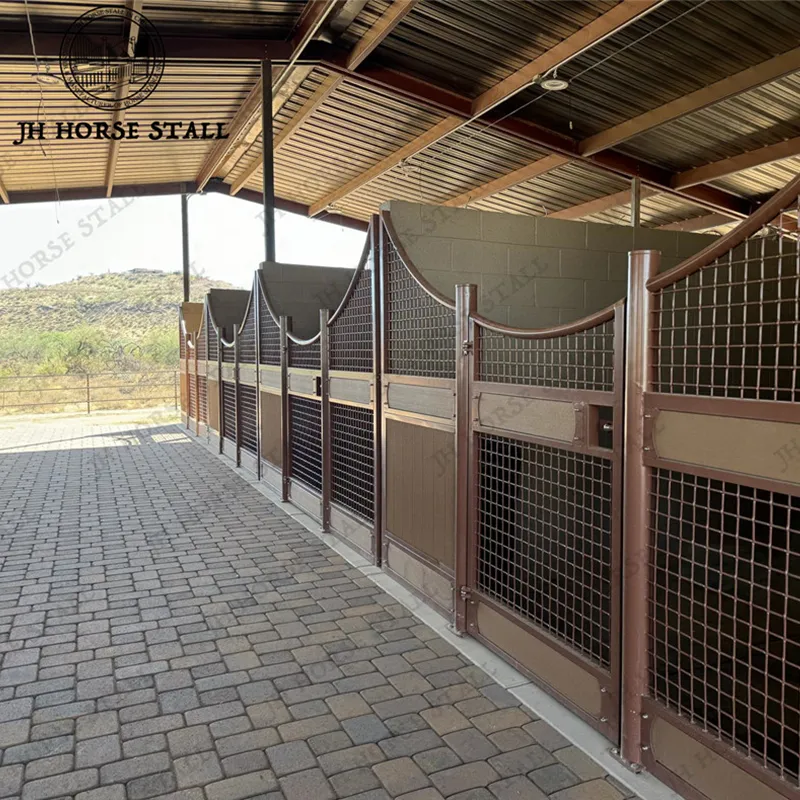
| Stall Wall | Pressure-treated Lumber/Steel | 12ft x 8ft x 4ft (H x W x D) | Impact Resistance: >1500 lbs force |
| Stall Door | Hardwood/Steel with Grille | 4ft x 8ft (H x W) | Load Capacity: 500 lbs |
| Roofing Material | Steel/Asphalt Shingles | Variable – Dependent on Span | Wind Load Resistance: 90 mph |
| Flooring | Concrete/Rubber Mat | 4in Concrete Slab + 1in Rubber Mat | Slip Resistance: Coefficient of Friction > 0.7 |
| Ventilation System | Turbine/Fan | Variable – Based on Stable Size | Air Exchange Rate: 10-15 Air Changes per Hour |
| Foundation | Reinforced Concrete | Variable – Dependent on Soil Conditions | Bearing Capacity: 2000 psf |
Failure Mode & Maintenance
Common failure modes in horse stables include wood rot in untreated lumber (biological degradation), steel corrosion due to moisture exposure (electrochemical oxidation), concrete cracking from freeze-thaw cycles (physical stress), and stall component failure from repeated impact (fatigue cracking). Delamination of rubber stall mats can occur due to UV exposure and improper cleaning agents. Oxidation of metal hardware (hinges, latches) leads to decreased functionality and potential safety hazards. Maintenance solutions include regular inspection for wood rot and replacement of affected lumber, application of corrosion inhibitors to steel components, sealing concrete cracks to prevent water ingress, and repairing or replacing damaged stall components. Annual pressure washing of the stable interior removes accumulated dirt and manure, reducing bacterial growth and improving air quality. Stall mats should be cleaned with pH-neutral detergents to avoid degradation. Regular tightening of bolts and fasteners prevents structural loosening. Bi-annual inspection of the roof for leaks and damaged shingles is essential to prevent water damage.
Industry FAQ
Q: What is the optimal ventilation rate for a horse stable, and how is it measured?
A: The optimal ventilation rate is typically between 10-15 air changes per hour (ACH), depending on the number of horses and stable size. This rate minimizes ammonia and dust levels. Ventilation is measured using anemometers to determine air velocity and tracer gas techniques (e.g., sulfur hexafluoride) to assess air exchange rates. Continuous monitoring systems are increasingly used to maintain optimal air quality.
Q: What are the key considerations when selecting stall mat material?
A: Key considerations include cushioning (to reduce joint stress), slip resistance (to prevent injuries), durability (resistance to wear and tear), and ease of cleaning. EPDM rubber is generally preferred for its durability and cushioning properties. Avoid materials that become brittle in cold weather or release harmful fumes.
Q: What is the recommended procedure for treating wood to prevent rot and insect damage?
A: Pressure treatment with copper azole (CA) or alkaline copper quaternary (ACQ) is the most effective method. Ensure the wood is properly dried before treatment and that the treatment process meets industry standards (e.g., AWPA U1). Regularly inspect treated wood for signs of decay and re-apply protective coatings as needed.
Q: How do you assess the structural integrity of an existing stable?
A: A thorough structural assessment involves inspecting the foundation, framing, roofing, and stall components for signs of damage (cracks, rot, corrosion). A qualified structural engineer should conduct a load analysis and recommend repairs or reinforcements as necessary. Non-destructive testing (NDT) methods, such as ultrasonic testing, can be used to assess the condition of steel components.
Q: What are the fire safety requirements for horse stables?
A: Fire safety requirements vary by jurisdiction, but generally include fire-retardant treated wood, non-combustible roofing materials, strategically placed fire exits, fire extinguishers, and smoke detectors. A fire prevention plan should be in place, and staff should be trained in fire safety procedures. Compliance with NFPA 720 is crucial.
Conclusion
The design and construction of a horse stable necessitate a comprehensive understanding of material science, engineering principles, and industry best practices. Balancing animal welfare with structural integrity, environmental control, and cost-effectiveness is a continuous challenge. Employing durable materials, implementing robust construction techniques, and adhering to relevant standards are crucial for ensuring long-term performance and minimizing lifecycle costs.
Future developments in stable construction will likely focus on sustainable materials, advanced ventilation systems (incorporating energy recovery), and smart technologies for monitoring environmental conditions and animal health. Continued research into stall design and flooring materials will further enhance horse comfort and safety, ultimately contributing to improved equine well-being and operational efficiency.
-
Horse Stable Structural Integrity and Performance
-
small horse stable minecraft Structural Analysis
-
schleich horse stable Material Science and Manufacturing
-
rocking horse stables Material Science Manufacturing
-
pure gold horse stables Structural Analysis
-
Morningside Stables at Columbia Horse Center Material Performance
-
melissa doug horse stable Material Science
-
lego friends stable horse Performance Analysis
-
large toy horse stable Construction and Performance Analysis
-
Horses Stables Material Properties
-
Horses in the stable dance Air Quality and Ventilation Engineering
-
horses in a stable lyrics Data Storage Infrastructure Analysis
-
Horse Stables Hiring Near Me Structural Performance Analysis
-
Horse Stables Boarding Material Performance Analysis
-
horse stable toys Material Science and Manufacturing