



Apr . 01, 2024 17:55 Back to list
horse stable supplies Material Science
Introduction
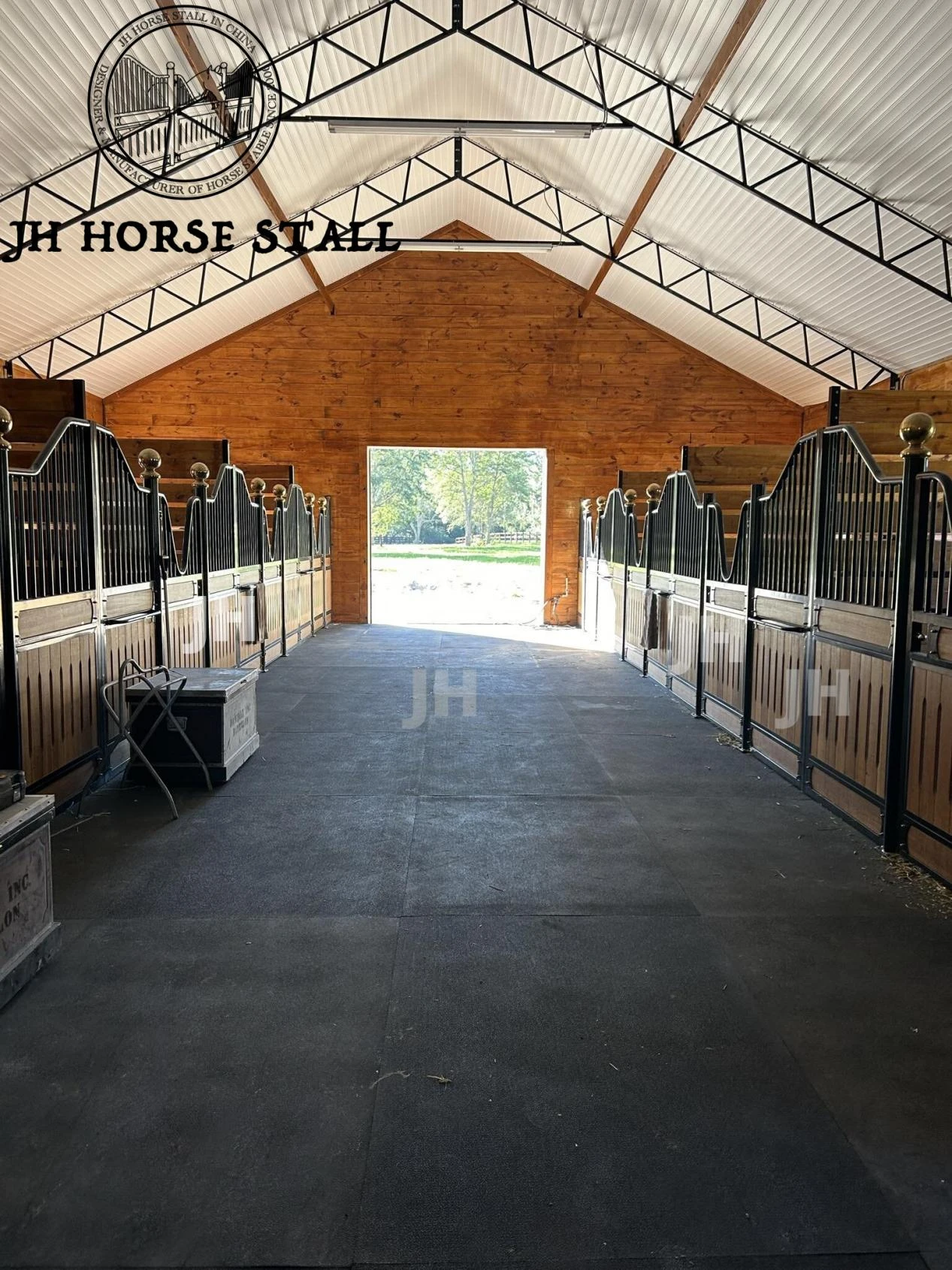
Horse stable supplies encompass a diverse range of materials and components critical to the health, safety, and well-being of equines. These supplies range from structural elements like stall walls and flooring to bedding materials, ventilation systems, and waste management solutions. This guide provides a technical overview of these supplies, focusing on material science, manufacturing processes, performance characteristics, failure modes, and relevant industry standards. The industry faces core challenges including ensuring animal safety from injury and toxicity, maintaining hygienic conditions to prevent disease propagation, and achieving long-term durability despite exposure to harsh environmental factors and the corrosive nature of animal waste. Key performance indicators include impact resistance of stall components, moisture absorption capacity of bedding, air exchange rates for ventilation, and resistance to bacterial growth on surfaces. Effective stable design and material selection are paramount for responsible equine care and operational efficiency.
Material Science & Manufacturing
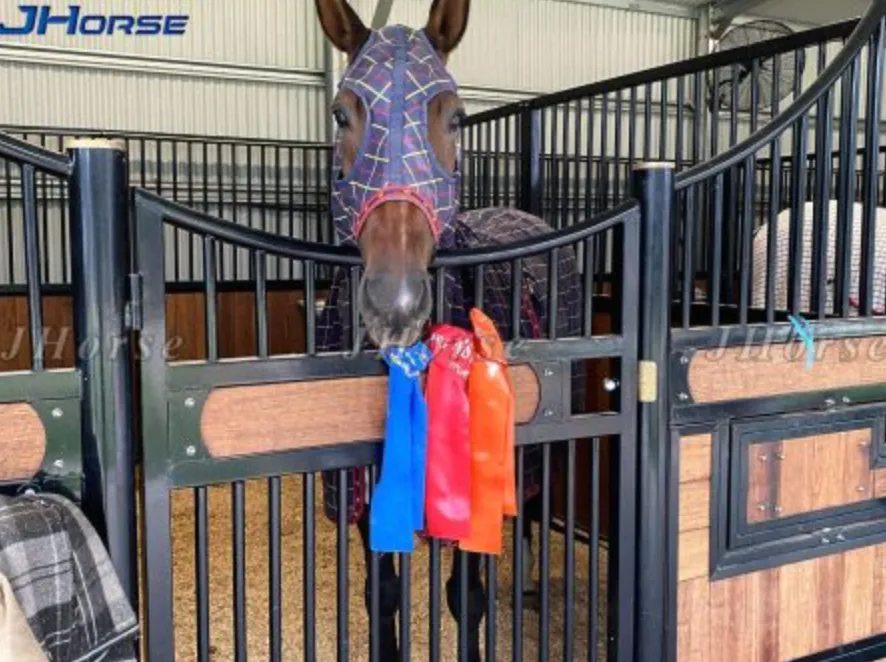
The construction of horse stables relies heavily on wood, steel, aluminum, and plastics. Wood, traditionally the dominant material, requires pressure treatment with preservatives like chromated copper arsenate (CCA) – though increasingly replaced by alternatives due to environmental concerns – or borate compounds to resist fungal decay and insect infestation. The wood species used (e.g., oak, maple, pine) impacts strength and durability. Steel, commonly used for framing and stall dividers, is typically galvanized or powder-coated to prevent corrosion. Aluminum offers a lighter-weight, corrosion-resistant alternative, particularly for roofing and window frames. Plastics, specifically high-density polyethylene (HDPE) and polypropylene (PP), are increasingly utilized for stall mats, water troughs, and feeders due to their durability, ease of cleaning, and resistance to chemicals. Bedding materials, such as straw, wood shavings (pine, aspen), and peat moss, require assessment of absorbency, dust content, and biodegradability. Manufacturing processes include sawing and milling for wood, welding and fabrication for steel, extrusion for plastics, and galvanization or powder coating for metal finishing. Key parameter control during manufacturing involves moisture content monitoring for wood, weld quality inspection for steel, and material thickness control for plastics. The selection of appropriate fasteners (stainless steel, hot-dipped galvanized) is also crucial to prevent corrosion and ensure structural integrity.
Performance & Engineering
Stable performance is dictated by several engineering principles. Stall walls must withstand significant lateral forces exerted by horses, necessitating robust structural design and appropriate material selection. Force analysis dictates minimum dimensions for stall components and the necessary reinforcement to prevent collapse or deformation. Flooring systems require consideration of load distribution, impact resistance (to prevent leg injuries), and drainage. Ventilation systems are engineered to maintain air quality by removing ammonia, dust, and other airborne contaminants. Air exchange rates are calculated based on stable volume, horse density, and climate conditions. Compliance requirements vary by region but typically include building codes related to structural integrity, fire safety, and animal welfare. The thermal properties of roofing and wall materials influence temperature regulation within the stable. Waste management systems must effectively remove manure and urine, minimizing odor and preventing the build-up of harmful bacteria. Chemical compatibility between materials and cleaning agents is also critical; for example, certain disinfectants can degrade specific plastics. Furthermore, the design must minimize pinch points and sharp edges to reduce the risk of injury to horses and handlers.
Technical Specifications
| Material | Tensile Strength (MPa) | Water Absorption (%) | Density (kg/m³) | Corrosion Resistance |
|---|---|---|---|---|
| Softwood (Pine) - Pressure Treated | 40-60 | 15-25 | 400-550 | Moderate (dependent on treatment) |
| Hardwood (Oak) - Pressure Treated | 80-120 | 10-20 | 700-900 | Moderate (dependent on treatment) |
| Galvanized Steel (A36) | 400-550 | Negligible | 7850 | Good (zinc coating) |
| Aluminum (6061-T6) | 275-350 | Negligible | 2700 | Excellent |
| HDPE | 20-30 | Negligible | 950-970 | Excellent |
| PP | 25-35 | Negligible | 900-930 | Good |
Failure Mode & Maintenance
Common failure modes in horse stable supplies include wood rot (due to fungal attack), steel corrosion (leading to structural weakness), plastic degradation (from UV exposure and chemical attack), and bedding material breakdown (reducing absorbency and increasing dust). Fatigue cracking can occur in steel stall components subjected to repeated stress. Delamination can affect composite materials used in stall mats. Oxidation of metal surfaces leads to rust and reduced protective coating effectiveness. Maintenance solutions include regular inspection for signs of damage, application of preservative treatments to wood, repainting or recoating of metal surfaces, replacement of damaged plastic components, and periodic replacement of bedding materials. Proper ventilation and drainage are crucial to prevent moisture build-up and minimize corrosion and rot. Cleaning schedules should utilize appropriate disinfectants compatible with the materials. Structural inspections should be conducted annually by a qualified professional to identify potential safety hazards. Prompt repair or replacement of damaged components is essential to prevent more serious failures and ensure animal safety.
Industry FAQ
Q: What is the optimal moisture content for pressure-treated lumber used in stall construction?
A: The optimal moisture content for pressure-treated lumber is between 12% and 18%. Higher moisture content increases the risk of fungal growth and dimensional instability, while excessively low moisture content can lead to cracking and warping. Kiln-drying to this range after treatment is crucial.
Q: How does the galvanization process protect steel from corrosion, and what are its limitations?
A: Galvanization creates a protective zinc coating on the steel surface, acting as a barrier against corrosive elements. Zinc corrodes preferentially to steel, providing sacrificial protection even if the coating is scratched. Limitations include the potential for ‘white rust’ (zinc oxide) formation in humid environments, and eventual depletion of the zinc layer over extended periods requiring re-coating.
Q: What are the key differences between HDPE and PP stall mats in terms of durability and cleaning?
A: HDPE generally exhibits higher impact resistance and durability compared to PP, making it more suitable for high-traffic areas. PP is less expensive but may be more prone to cracking under heavy loads. Both are easy to clean, but HDPE’s smoother surface resists manure adhesion slightly better.
Q: What ventilation rates are recommended for a stable housing 10 horses in a temperate climate?
A: A minimum of 200 cubic feet per minute (CFM) per horse is generally recommended, translating to 2000 CFM for 10 horses. This ensures adequate removal of ammonia, dust, and moisture. Natural ventilation can supplement mechanical ventilation, but must be carefully designed to avoid drafts.
Q: What are the risks associated with using CCA-treated lumber, and what are viable alternatives?
A: CCA-treated lumber contains arsenic, a known carcinogen. While considered safe when properly sealed, environmental concerns have led to its decreased use. Alternatives include ACQ (alkaline copper quaternary) and borate-treated lumber, which are less toxic but may require more frequent re-treatment.
Conclusion
The selection and maintenance of horse stable supplies demand a comprehensive understanding of material science, engineering principles, and industry best practices. Ensuring structural integrity, promoting animal welfare, and minimizing environmental impact are paramount considerations. Proper material selection, robust manufacturing processes, and diligent maintenance routines are crucial for extending the lifespan of stable components and reducing long-term costs.
Future advancements will likely focus on the development of more sustainable and durable materials, such as recycled plastics and bio-based composites. Innovations in ventilation technologies and waste management systems will further enhance stable hygiene and reduce environmental footprint. Continued research into the impact of stable environments on equine health will drive improvements in stall design and material selection, ultimately contributing to the well-being of horses and the efficiency of stable operations.
-
toy horse stable Material Science and Manufacturing
-
our generation horse stable Material Science Manufacturing
-
stardew horse stable Performance Analysis
-
Stable horse Structural Performance Analysis
-
horses in the stable lyrics Data Integrity Analysis
-
horse riding stables Material Science and Manufacturing
-
Horse in stable Structural Engineering
-
horse boarding stable Performance Engineering
-
horse and stable toy Material Science
-
barbie horse stable Material Performance Analysis
-
Our Generation Doll Horse Stable Performance Analysis
-
minecraft horse stable ideas Construction Performance Analysis
-
horse stable toy Performance Analysis
-
horse stable supplies Material Science
-
horse boarding stables near me Material Science and Manufacturing