



Apr . 01, 2024 17:55 Back to list
Horse Stables Boarding Material Performance Analysis
Introduction
Horse stable boarding, encompassing both stall construction and the associated flooring and wall systems, represents a critical infrastructural component within the equine industry. It’s a multidisciplinary application involving structural engineering, material science, animal behavior considerations, and stringent hygiene protocols. Traditionally constructed from wood, modern boarding systems increasingly incorporate metal framing, composite materials, and advanced polymers to enhance durability, safety, and ease of maintenance. The core performance metrics of stable boarding systems center on impact resistance, load-bearing capacity, ease of cleaning and disinfection, thermal regulation, and the prevention of equine injury through splintering, crushing, or entrapment. Understanding the intricacies of material selection, construction techniques, and maintenance procedures is paramount for ensuring the long-term health and welfare of horses while minimizing lifecycle costs. This guide provides an in-depth technical overview of horse stable boarding, detailing material properties, manufacturing processes, performance characteristics, common failure modes, and relevant industry standards.
Material Science & Manufacturing
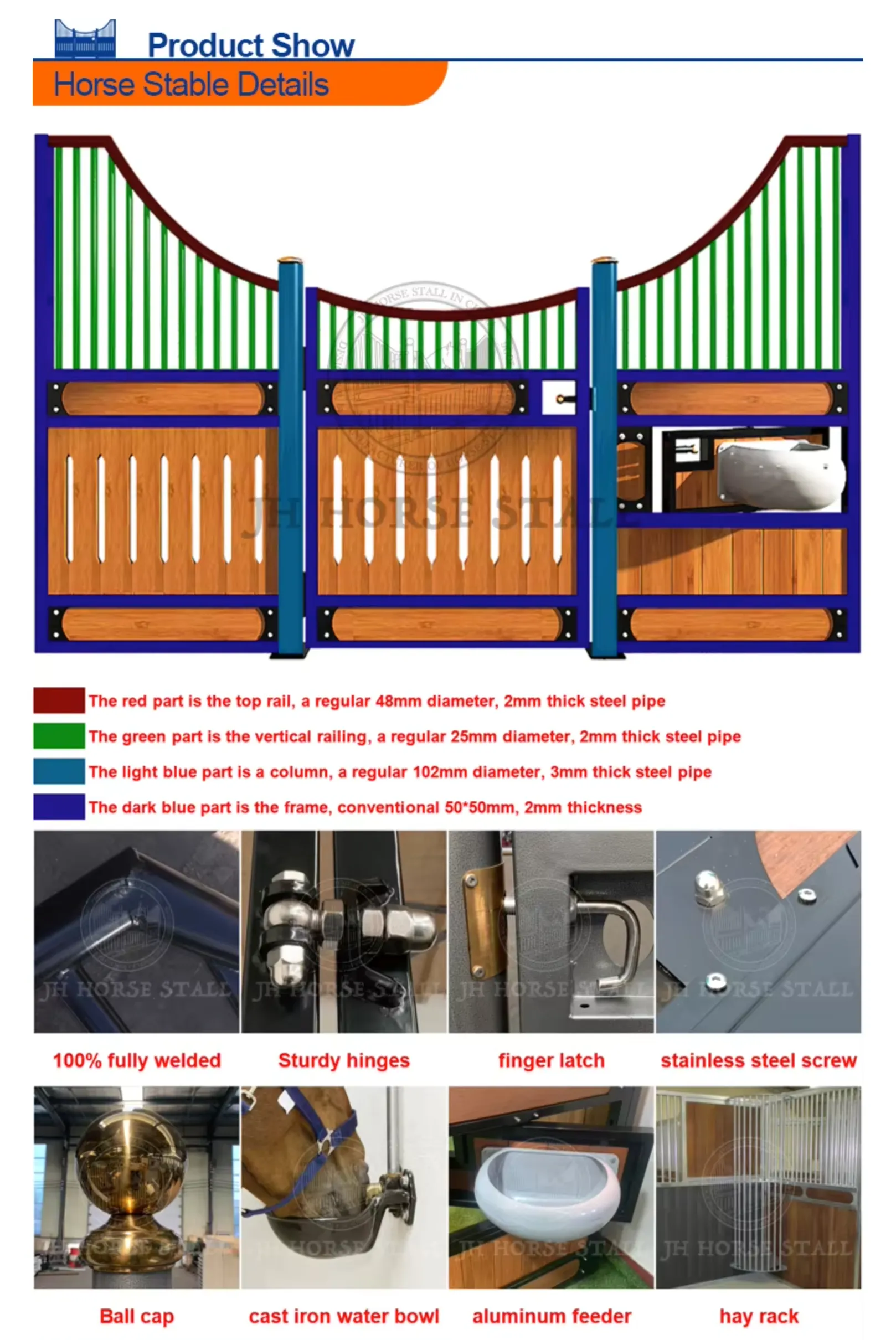
The primary materials used in horse stable boarding include wood (typically hardwoods like oak, maple, and ash, as well as softwoods like pine and fir), steel (various grades of carbon steel and stainless steel), aluminum, high-density polyethylene (HDPE), and composite materials. Wood offers cost-effectiveness and natural aesthetics but is susceptible to rot, insect infestation, and wear. Steel provides superior strength and durability but can be prone to corrosion if not properly treated. Aluminum is lightweight and corrosion-resistant but has lower strength compared to steel. HDPE is durable, easy to clean, and resistant to chemicals, making it suitable for flooring and wall liners. Composite materials combine the benefits of multiple materials, often featuring a wood-plastic composite (WPC) core for enhanced weather resistance.
Manufacturing processes vary depending on the material. Wood components are typically milled, planed, and joined using mortise-and-tenon, dovetail, or screw/bolt connections. Steel framing is fabricated through welding, cutting, and bending processes, often utilizing robotic automation for precision. Aluminum components are manufactured through extrusion and casting. HDPE panels are produced via thermoforming or injection molding. WPC is manufactured by mixing wood fibers with plastic polymers, followed by extrusion or compression molding. Critical parameters during manufacturing include wood moisture content (maintained between 12-18% to prevent warping), weld quality (ensuring complete penetration and minimal porosity in steel structures), and material density (controlling the strength and durability of HDPE and WPC components). Surface treatments, such as galvanizing (for steel), powder coating (for steel and aluminum), and sealant application (for wood), are essential for enhancing corrosion resistance and prolonging service life. Furthermore, precise dimensional tolerances are crucial for ensuring proper fit and structural integrity.
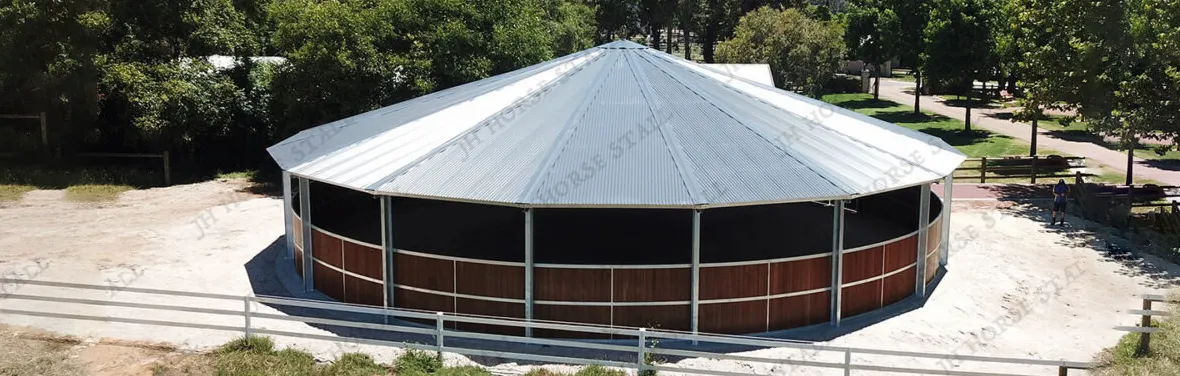
Performance & Engineering
The structural performance of horse stable boarding is governed by several factors, including the weight and activity level of the horse, the span between support posts, and the material properties of the components. Force analysis is critical, considering static loads (the weight of the horse) and dynamic loads (impact from kicking or leaning). Stall walls must withstand significant lateral forces. Material selection dictates load-bearing capacity; steel and robust hardwood framing offer the highest resistance. Engineering considerations include ensuring adequate ventilation to minimize ammonia buildup, providing sufficient space for the horse to move comfortably, and designing surfaces that are easy to clean and disinfect. Thermal resistance is also important, particularly in extreme climates. Insulation materials may be incorporated into wall and roof structures to maintain a stable temperature. Compliance requirements vary by region but typically adhere to guidelines established by equine welfare organizations and building codes. Specifically, stall dimensions are often regulated to prevent injury, and materials must be non-toxic and free of sharp edges or protrusions. Furthermore, fire resistance is a critical performance attribute, especially in large stable complexes, necessitating the use of fire-retardant treated wood or non-combustible materials like steel.
Technical Specifications
| Material | Yield Strength (MPa) | Modulus of Elasticity (GPa) | Water Absorption (%) | Density (kg/m³) | Impact Resistance (J/m) |
|---|---|---|---|---|---|
| Oak (Red) | 80-100 | 12-15 | 12-15 | 750 | 20-30 |
| Carbon Steel (A36) | 250 | 200 | <0.1 | 7850 | 50-80 |
| Aluminum (6061-T6) | 276 | 69 | <0.2 | 2700 | 30-50 |
| HDPE | 20-30 | 1-2 | <0.1 | 950 | 100-150 |
| Wood-Plastic Composite (WPC) | 50-70 | 5-8 | 2-5 | 1300-1500 | 40-60 |
| Stainless Steel (304) | 205 | 193 | <0.1 | 8000 | 60-90 |
Failure Mode & Maintenance
Common failure modes in horse stable boarding include wood rot and decay (caused by fungal growth), steel corrosion (due to exposure to moisture and electrolytes), weld cracking (resulting from stress concentration or poor weld quality), HDPE cracking (induced by impact or UV degradation), and WPC delamination (separation of wood fibers from the plastic matrix). Fatigue cracking can occur in wood and metal components subjected to repeated stress. Entrapment hazards, such as loose screws or protruding nails, pose a significant risk to horses. Oxidation of metal components can lead to a loss of structural integrity. Regular maintenance is crucial for preventing these failures. This includes periodic inspection for signs of rot, corrosion, or cracking; tightening loose fasteners; applying protective coatings (such as wood preservatives or anti-rust treatments); and replacing damaged components promptly. Wood surfaces should be regularly cleaned to remove manure and urine, which contribute to decay. Steel structures should be inspected for corrosion and repainted as needed. HDPE components should be cleaned with mild detergents to prevent buildup of dirt and grime. WPC should be inspected for delamination and repaired or replaced if necessary. A preventative maintenance schedule, documented and adhered to, will significantly extend the lifespan of the boarding system and ensure the safety and well-being of the horses.
Industry FAQ
Q: What is the optimal wood moisture content for stall construction to minimize warping and cracking?
A: The optimal wood moisture content for stall construction is between 12% and 18%. Wood with higher moisture content is more susceptible to shrinking and warping as it dries, leading to structural instability and potential gaps. Wood with lower moisture content may be too brittle and prone to cracking under stress. Accurate moisture measurement using a calibrated moisture meter is essential during material selection and construction.
Q: How does the grade of steel impact the load-bearing capacity of stable stall framing?
A: The grade of steel directly correlates to its yield strength and tensile strength, which dictate its load-bearing capacity. Higher-grade steels (e.g., A36, A572) can withstand greater stresses before deformation or failure. Selecting the appropriate steel grade based on the anticipated loads and span lengths is critical for ensuring structural integrity. Engineering calculations should be performed to verify the adequacy of the chosen steel grade.
Q: What are the primary considerations for selecting flooring materials for horse stalls?
A: Flooring material selection should prioritize horse comfort, safety, and hygiene. Key considerations include impact absorption to reduce joint stress, traction to prevent slipping, ease of cleaning and disinfection to maintain hygiene, and durability to withstand wear and tear. Common options include rubber mats, packed clay, and wood shavings, each with its own advantages and disadvantages. Drainage is also crucial to prevent the buildup of moisture and ammonia.
Q: How can corrosion be prevented in steel stall components?
A: Corrosion prevention in steel stall components involves several strategies. Galvanizing provides a sacrificial layer of zinc that corrodes before the steel. Powder coating creates a durable, protective barrier. Regular painting with anti-rust primers and topcoats is also effective. Maintaining a dry environment and minimizing exposure to corrosive substances (e.g., urine, salt) are essential preventative measures. Periodic inspection and repair of any damaged coatings are crucial.
Q: What are the key benefits of using HDPE as a wall liner material in horse stables?
A: HDPE offers several key benefits as a wall liner material. It’s highly durable, impact-resistant, and easy to clean and disinfect. It’s also resistant to chemicals found in horse urine and manure. HDPE is non-porous, preventing the absorption of odors and bacteria. Its smooth surface reduces the risk of injury to horses. Furthermore, HDPE is relatively lightweight and easy to install.
Conclusion
Horse stable boarding is a complex engineering application requiring careful consideration of material science, manufacturing processes, and performance criteria. The selection of appropriate materials, combined with sound construction techniques and a proactive maintenance program, are essential for ensuring the safety, comfort, and well-being of horses. Understanding the potential failure modes and implementing preventative measures can significantly extend the lifespan of the boarding system and minimize lifecycle costs. The evolving landscape of materials and construction methods offers opportunities for innovation, leading to more durable, sustainable, and equine-friendly stable environments.
Moving forward, research into advanced composite materials, antimicrobial coatings, and automated monitoring systems will likely play a significant role in enhancing the performance and longevity of horse stable boarding. Furthermore, adherence to relevant industry standards and best practices is paramount for ensuring compliance and promoting animal welfare. Continuous monitoring of stall conditions, coupled with regular inspections and prompt repairs, are crucial for maintaining a safe and hygienic environment for horses.
-
Horses in the stable dance Air Quality and Ventilation Engineering
-
horses in a stable lyrics Data Storage Infrastructure Analysis
-
Horse Stables Hiring Near Me Structural Performance Analysis
-
Horse Stables Boarding Material Performance Analysis
-
horse stable toys Material Science and Manufacturing
-
horse stable gate Performance Engineering
-
Horse Stable Design Material Performance
-
horse stable blanket Performance Analysis
-
horse barns and stables Material Science and Manufacturing
-
cumberland falls horse riding stables Material Science and Manufacturing
-
Breyer Horse Stable Manufacturing Analysis
-
Black Horse Stables Construction and Performance
-
Barbie Stable and Horse Material Performance Analysis
-
arizona horses ponderosa stables Material Science and Manufacturing
-
lego friends horse stable Manufacturing Process and Performance Analysis