



Apr . 01, 2024 17:55 Back to list
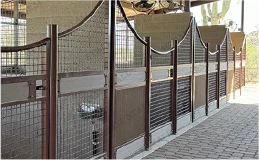
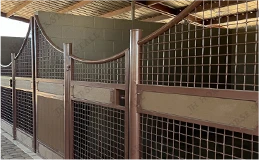
horse stables for sale Construction and Performance

Introduction
Horse stables, traditionally constructed for the shelter and management of equines, represent a critical infrastructure component within the agricultural and equestrian industries. The market for horse stables for sale encompasses a broad spectrum, ranging from individual box stalls to complete stable complexes. This technical guide will provide an in-depth examination of horse stable construction, focusing on material science, manufacturing processes, performance engineering, potential failure modes, and relevant industry standards. The core performance requirements of horse stables center around animal welfare (safety, comfort, and health), structural integrity (resistance to dynamic and static loads), and durability (long-term resistance to environmental degradation and wear). A key pain point within the industry is balancing cost-effectiveness with long-term resilience and horse safety, particularly regarding material selection and construction techniques. Further complexity arises from regional variations in climate, building codes, and common equestrian practices. Understanding these nuanced requirements is paramount to providing a stable structure that contributes to the well-being of horses and the longevity of the investment.
Material Science & Manufacturing
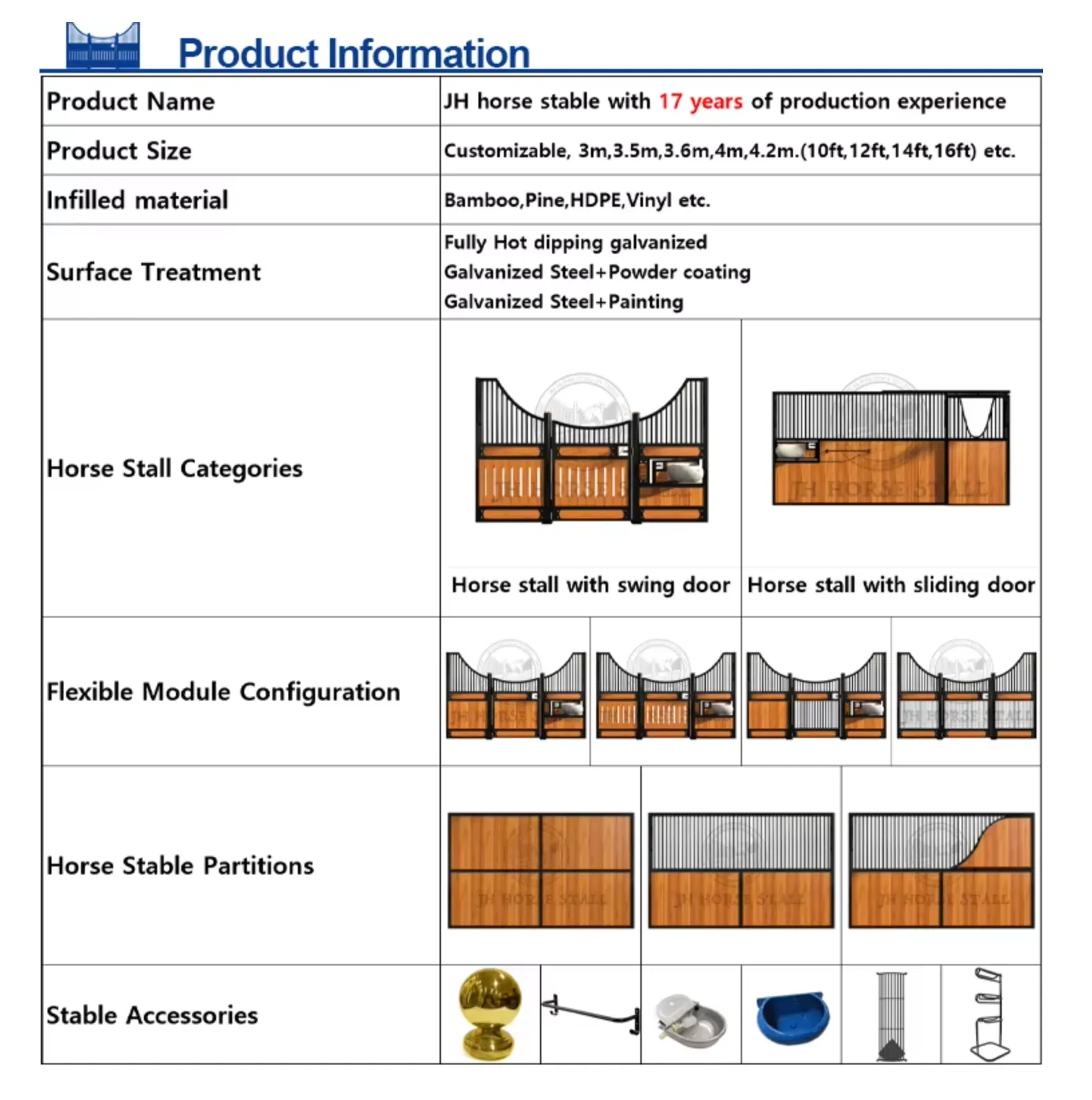
The construction of horse stables typically involves a combination of materials, each offering specific properties critical to overall performance. Predominant materials include wood (pressure-treated lumber, hardwoods), steel (galvanized steel, stainless steel), concrete (foundations, flooring), and composite materials (fiberglass, recycled plastics). Wood, particularly pressure-treated lumber (typically Southern Yellow Pine treated with chromated copper arsenate or alternative preservatives like alkaline copper quaternary), is favored for its workability, cost-effectiveness, and aesthetic appeal. However, wood is susceptible to rot, insect infestation, and fire. Steel offers superior strength and durability but requires corrosion protection, commonly achieved through galvanization or powder coating. Concrete provides a stable foundation and durable flooring, resisting wear and providing hygiene. The manufacturing process varies based on material. Wood components are typically sawn, planed, and assembled using traditional joinery techniques or fasteners (nails, screws, bolts). Steel structures are fabricated through welding, bolting, and the application of protective coatings. Concrete foundations are poured in-situ, requiring precise formwork and reinforcement. Composite materials are often manufactured through molding or extrusion processes. Key parameter control during manufacturing includes wood moisture content (to minimize warping and cracking), steel coating thickness (to ensure adequate corrosion resistance), concrete mix design (to achieve optimal strength and durability), and fastener torque (to guarantee structural integrity). The correct curing of concrete is crucial, requiring temperature and humidity control to prevent cracking and maximize compressive strength.
Performance & Engineering
The performance of horse stables is dictated by their ability to withstand various loads and environmental stresses. Force analysis is critical, considering static loads (the weight of the structure itself, horses, and stored materials) and dynamic loads (horse movement, wind, snow, seismic activity). Structural engineering principles are applied to design stable frameworks capable of distributing these loads effectively. Wind resistance is particularly important in exposed locations, requiring bracing and appropriate roof design to prevent uplift and overturning. Snow load considerations necessitate robust roof structures capable of supporting accumulated snow weight. Environmental resistance encompasses protection against moisture, temperature fluctuations, UV radiation, and pest infestations. Proper drainage is essential to prevent water accumulation and wood rot. Ventilation is crucial for maintaining air quality and reducing humidity, minimizing respiratory issues in horses. Compliance requirements vary by jurisdiction, often dictated by local building codes and agricultural regulations. Fire resistance is a paramount concern, requiring the use of fire-retardant materials and adherence to fire safety standards. Functional implementation involves considerations such as stall size (based on horse breed and size), flooring material (to provide traction and cushioning), and gate design (to ensure safe and secure containment). The impact force exerted by a horse leaning against a stall wall must be factored into the structural design to prevent failure.
Technical Specifications
| Parameter | Unit | Typical Value (Wood Stall) | Typical Value (Steel Stall) |
|---|---|---|---|
| Stall Width | ft | 12 | 12 |
| Stall Depth | ft | 10 | 10 |
| Stall Height | ft | 8 | 8 |
| Wood Thickness (Wall) | in | 2 | N/A |
| Steel Gauge (Wall) | Gauge | N/A | 14 |
| Maximum Live Load Capacity | lbs | 800 | 1000 |
| Galvanization Coating Thickness | μm | N/A | 85 |
Failure Mode & Maintenance
Horse stables are subject to various failure modes, necessitating regular inspection and maintenance. Common failures include wood rot (caused by moisture and fungal growth), corrosion of steel components (due to exposure to humidity and salt), cracking of concrete foundations (resulting from freeze-thaw cycles or improper curing), fastener failure (due to fatigue or corrosion), and structural deformation (resulting from overloading or inadequate bracing). Fatigue cracking can occur in steel components subjected to repeated stress cycles from horse activity. Delamination of composite materials can occur due to UV exposure and moisture ingress. Degradation of wood preservatives can reduce the material’s resistance to rot and insect infestation. Oxidation of steel components leads to rust and a reduction in structural integrity. Maintenance practices should include regular inspection for signs of rot, corrosion, and cracking. Wood components should be treated with preservatives periodically to maintain their resistance to decay. Steel components should be recoated as needed to prevent corrosion. Concrete foundations should be sealed to prevent water penetration. Fasteners should be tightened or replaced as necessary. Proper stall bedding management is crucial for minimizing moisture buildup and promoting hygiene. A preventative maintenance schedule, documented and adhered to, is vital for extending the lifespan of the structure and ensuring horse safety.
Industry FAQ
Q: What is the optimal wood treatment method for horse stables in a high-humidity environment?
A: In high-humidity environments, alkaline copper quaternary (ACQ) treatment is preferred over older chromated copper arsenate (CCA) treatments due to environmental concerns. However, ACQ requires more frequent re-treatment. Borate treatments, applied in conjunction with ACQ, can further enhance protection against fungal decay and insect infestation. Ensure proper ventilation within the stable to reduce moisture buildup, regardless of the treatment method.
Q: How does the gauge of steel affect the load-bearing capacity of a steel stall?
A: Lower steel gauge numbers indicate thicker steel, and therefore, higher load-bearing capacity. A 14-gauge steel wall will be significantly stronger than a 16-gauge steel wall. Structural engineers use gauge as a primary parameter in calculations to ensure the stall can withstand the anticipated dynamic and static loads. The specific gauge required will depend on the stall dimensions and intended use.
Q: What are the key considerations when selecting flooring material for a horse stable?
A: Key considerations include traction, cushioning, hygiene, and durability. Common options include clay, sand, rubber mats, and concrete. Clay and sand provide good cushioning but require frequent maintenance to control dust and maintain drainage. Rubber mats offer excellent traction and cushioning and are relatively easy to clean. Concrete is durable and hygienic but can be hard on horses' legs and requires proper drainage and surface texture to prevent slipping.
Q: What is the recommended spacing for stall bracing to withstand a horse leaning against the wall?
A: Bracing spacing typically ranges from 4 to 8 feet, depending on the stall wall height and the expected force exerted by the horse. Vertical bracing is particularly important, and diagonal bracing can further enhance stability. A structural engineer should perform calculations to determine the optimal bracing configuration based on site-specific conditions and anticipated loads.
Q: Are there specific building codes that regulate the construction of horse stables?
A: Yes, building codes vary by jurisdiction. Generally, stables fall under agricultural building regulations and may be subject to requirements related to fire safety, structural integrity, ventilation, and drainage. Local zoning ordinances may also impose restrictions on stable location and construction. Consult with local building officials to ensure compliance with all applicable codes and regulations.
Conclusion
The successful construction of horse stables for sale demands a comprehensive understanding of material science, manufacturing processes, performance engineering, and potential failure modes. Selecting appropriate materials, employing sound construction techniques, and adhering to relevant industry standards are crucial for creating a safe, durable, and comfortable environment for horses. Balancing cost-effectiveness with long-term resilience remains a core challenge for stable owners and builders.
Future trends in horse stable construction are likely to focus on sustainable materials, innovative stall designs that prioritize horse welfare, and smart stable technologies that automate monitoring and management functions. Regular maintenance, guided by a thorough understanding of potential failure mechanisms, will remain paramount for extending the lifespan of these critical agricultural structures and ensuring the continued well-being of the animals they house.
-
Rock Creek Park Horse Stables Material Performance Analysis
-
horses in the stable ty dolla Structural Engineering and Material Analysis
-
horse stables for sale Construction and Performance
-
horse riding stable near me Material Science Manufacturing
-
boarding horse stables Performance Analysis
-
toy horse with stable Performance Analysis
-
stables for horses Performance and Engineering
-
small horse stable floor plans Performance Analysis
-
minecraft horse stables Performance Engineering
-
melissa and doug horse stable Material Science and Manufacturing
-
horses in the stable song Material Science and Manufacturing
-
horse stable in minecraft Performance and Engineering
-
Horse in a stable Structural Engineering and Performance Analysis
-
boarding stables for horses Material Science and Manufacturing
-
Pasture Turnout will pasturing horses reduce stable vices Performance Analysis