



Apr . 01, 2024 17:55 Back to list
Horse Stabling Material Science and Performance
Introduction
Horse stabling represents a critical component of equine management, extending beyond simple shelter to encompass a multifaceted system impacting animal health, welfare, and operational efficiency. Within the broader agricultural and animal husbandry industry, stabling facilities are engineered systems requiring careful consideration of material science, structural integrity, ventilation, and waste management protocols. This guide details the technical aspects of horse stabling, encompassing material selection, construction methodologies, performance characteristics, failure modes, and relevant industry standards. A key industry pain point resides in balancing cost-effectiveness with long-term durability and equine wellbeing; frequently, initial construction costs prioritize economy over the selection of materials that mitigate health risks such as respiratory problems, or ensure sufficient structural stability to prevent injury. Effective stabling addresses these concerns through informed design and material choices.
Material Science & Manufacturing
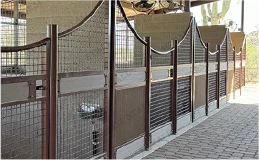
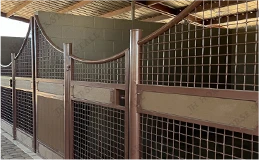
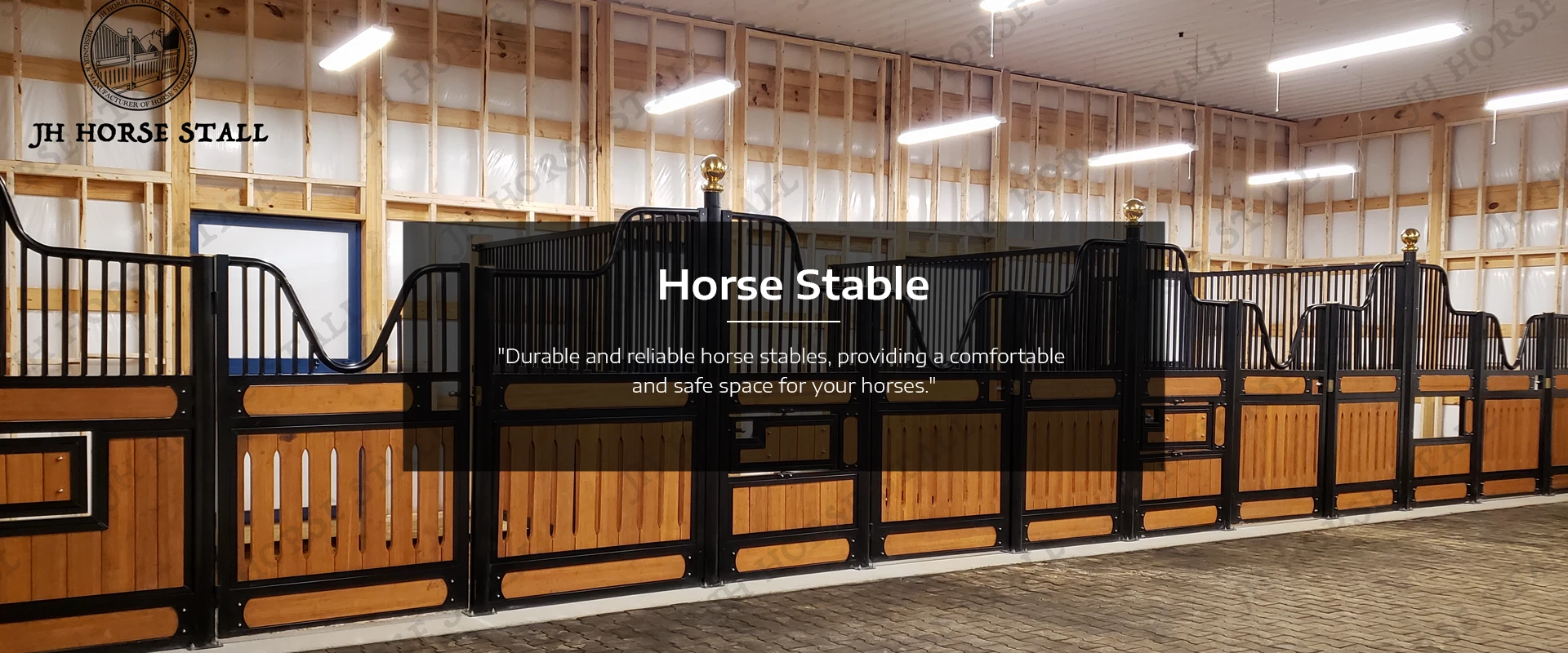
Stabling construction relies on a range of materials, each possessing distinct physical and chemical properties impacting performance and longevity. Wood, traditionally dominant, offers excellent workability and thermal insulation (R-value typically 1.0-1.8 per inch depending on species) but is susceptible to rot, insect infestation, and fire. Species like oak and chestnut exhibit greater natural durability due to tannins, but require proper treatment. Steel, particularly galvanized steel (zinc coating providing cathodic protection), provides superior structural strength (yield strength 50-70 ksi depending on alloy) and resistance to physical damage, but is prone to corrosion if the galvanization is compromised and exhibits lower thermal insulation. Aluminum, while corrosion-resistant, possesses lower structural strength and higher material cost. Concrete, employed for foundations and flooring, offers high compressive strength (3000-4000 psi typical) but is brittle and requires reinforcement.
Manufacturing processes vary based on material. Wood components undergo milling, planing, and joinery (mortise and tenon, dovetail joints) often requiring preservatives and sealants. Steel structures utilize welding (SMAW, GMAW) demanding qualified welders and adherence to AWS D1.1 standards, along with bolt connections utilizing high-strength steel bolts (ASTM A325/A394). Concrete is cast in place or precast, requiring precise mix designs, proper curing (hydration process monitored for temperature and humidity), and reinforcement placement according to ACI 318 building code requirements. Proper ventilation systems necessitate sheet metal fabrication (gauge dependent on ductwork size and pressure) employing techniques like bending, cutting, and welding, and careful sealing to prevent air leaks. Key parameter control involves maintaining wood moisture content below 20% to prevent warping and decay, ensuring weld penetration and integrity through non-destructive testing (NDT), and achieving concrete compressive strength through cube testing.

Performance & Engineering
Stabling performance is dictated by several engineering considerations. Structural loads, encompassing static (horse weight, roof load) and dynamic (horse movement, wind load) forces, necessitate a robust framework. A typical horse exerts a static load of 1000-2000 lbs, demanding stall construction capable of withstanding this force plus impact loading. Wind loads are calculated per ASCE 7 standards, factoring in regional wind speeds and building height. Ventilation is critical for maintaining air quality, preventing ammonia buildup (toxic to horses), and controlling temperature and humidity. Natural ventilation relies on stall design and roof height, while forced ventilation employs fans capable of providing a minimum of 8-10 air changes per hour. Floor drainage systems must manage liquid waste efficiently, preventing pooling and bacterial growth. Coefficient of friction of flooring surfaces is crucial to prevent slips and falls. Compliance requirements include adherence to local building codes, zoning regulations, and potentially equine-specific welfare standards stipulated by organizations like the American Association of Equine Practitioners (AAEP). The design must also consider fire resistance, utilizing non-combustible materials where possible and implementing fire suppression systems.
Technical Specifications
| Parameter | Unit | Wood Stalls | Steel Stalls |
|---|---|---|---|
| Stall Width (Minimum) | ft | 10 | 10 |
| Stall Depth (Minimum) | ft | 12 | 12 |
| Wood Species (Typical) | - | Oak, Maple | N/A |
| Steel Grade (Typical) | - | N/A | ASTM A36 |
| Galvanization Thickness | µm | N/A | 85+ |
| Ventilation Rate (Minimum) | ACH | 8 | 8 |
Failure Mode & Maintenance
Common failure modes in horse stabling include wood rot and decay (caused by fungal attack, exacerbated by moisture), steel corrosion (resulting from exposure to corrosive elements in urine and manure), concrete cracking (due to freeze-thaw cycles or excessive loading), and joint failure (in wood structures, often due to wood movement and fastener loosening). Fatigue cracking in steel welds can occur under repeated dynamic loading. Delamination of concrete flooring can lead to instability. Oxidation of metal components leads to surface degradation. Preventative maintenance is crucial. Wood structures require regular inspection for rot and insect damage, followed by application of wood preservatives. Steel structures need periodic inspection for corrosion, requiring removal of rust and re-application of protective coatings. Concrete floors should be sealed to prevent water penetration. Regular tightening of bolts and fasteners is essential for maintaining structural integrity. Drainage systems require routine cleaning to prevent clogging. Stall bedding must be managed effectively to minimize moisture levels and ammonia buildup. A comprehensive maintenance schedule, including annual structural inspections and biannual surface treatment, significantly extends the lifespan of the stabling facility.
Industry FAQ
Q: What is the optimal stall floor material to minimize equine orthopedic issues?
A: While concrete is cost-effective, it's unforgiving. Rubber mats over concrete provide cushioning and traction, significantly reducing concussion. Clay or sand-based surfaces offer natural cushioning but require frequent maintenance to prevent compaction and dust. The coefficient of friction should be between 0.6 and 0.8 to prevent slips but allow for reasonable movement. Consideration must be given to drainage and hygiene in selecting a material.
Q: How does ventilation impact respiratory health in horses within a stabling environment?
A: Poor ventilation leads to buildup of ammonia from urine and manure, a potent respiratory irritant. Elevated dust levels also contribute to respiratory problems. Adequate ventilation (8-10 ACH minimum) dilutes these contaminants, maintaining air quality and reducing the risk of conditions like recurrent airway obstruction (RAO) and equine asthma.
Q: What are the key considerations when selecting steel for stall construction, beyond simply strength?
A: Corrosion resistance is paramount. Galvanization is essential, and the thickness of the zinc coating directly impacts longevity. Weldability of the steel grade is also crucial, requiring experienced welders and appropriate welding procedures. The type of finish applied (e.g., powder coating) further enhances corrosion protection and aesthetic appeal. Avoid steels with high sulfur content as they may compromise weld integrity.
Q: How often should wood stall components be treated with preservative, and what types of preservatives are most effective?
A: Wood stall components should be treated annually, or biannually in drier climates. Oil-based preservatives containing copper naphthenate or creosote are highly effective against rot and insects. Water-based preservatives are less toxic but may require more frequent application. Proper surface preparation (cleaning and sanding) is vital for effective preservative penetration.
Q: What are the relevant building codes and standards applicable to horse stabling construction in North America?
A: Construction adheres to International Building Code (IBC) standards, particularly those pertaining to agricultural buildings. Local building codes supersede IBC where more stringent. Electrical installations must comply with the National Electrical Code (NEC). Structural design must follow ASCE 7 standards for load calculations. Ventilation systems should meet ASHRAE standards for air quality.
Conclusion
Effective horse stabling is a complex engineering undertaking, requiring a holistic approach that considers material science, structural mechanics, ventilation principles, and equine welfare. The selection of appropriate materials and construction methodologies is critical for ensuring long-term durability, minimizing maintenance costs, and promoting a healthy environment for horses. A thorough understanding of potential failure modes and proactive implementation of preventative maintenance programs are paramount to maximizing the lifespan of the facility and mitigating risks to both horses and personnel.
Future developments in stabling technology may focus on incorporating smart sensor systems for monitoring air quality, temperature, and humidity, as well as automated waste management systems. Sustainable materials and construction practices will become increasingly important, driven by environmental concerns and a growing demand for eco-friendly solutions. Continued research into equine biomechanics will inform stall design optimization, leading to further improvements in horse comfort and injury prevention.
-
Star Stable Horses Technical Analysis
-
Horse Stabling Material Science and Performance
-
horse stable stardew Performance Analysis
-
Horse riding stables near me Performance and Engineering
-
horse stables in minecraft Performance Analysis
-
Horse Stable Urine Performance Analysis
-
Stable and Horse Structural Engineering
-
Horses in the stable Material Science and Manufacturing
-
horse boarding stables Material Science and Manufacturing
-
Horse Stabling Material Science and Performance
-
horse stables Material Science and Manufacturing
-
minecraft horse stable Performance Analysis
-
horse stable minecraft Structural Analysis
-
Horse Stables Near Me Performance and Engineering
-
Horse Stable Construction Performance Analysis