




Apr . 01, 2024 17:55 Back to list
Horses in the stable Material Science and Manufacturing

Introduction
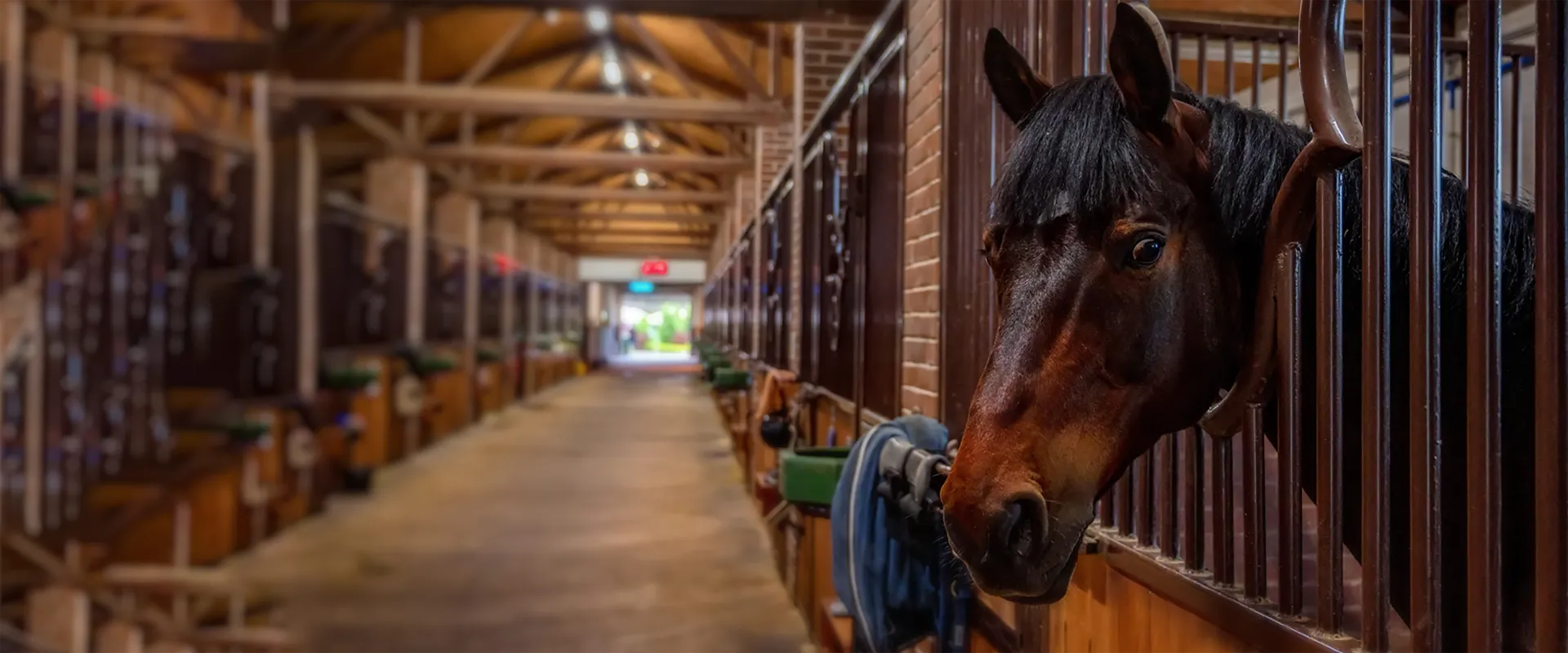
Equine stable management is a critical component of animal husbandry, encompassing the provision of shelter, nutrition, and a hygienic environment for horses. The stable, in its contemporary iteration, represents a complex engineered system designed to mitigate physiological stressors, reduce disease transmission, and facilitate optimal equine health and performance. Historically, stables were rudimentary structures. Today, modern stable construction and material selection are dictated by principles of veterinary science, biomechanics, and environmental control. Core performance metrics center on maintaining appropriate temperature and humidity levels, ensuring adequate ventilation to minimize respiratory irritation from ammonia and dust, and providing a safe, non-slip flooring surface to reduce the incidence of musculoskeletal injury. The industry faces ongoing challenges related to waste management, biosecurity, and the long-term durability of stable materials in a corrosive environment (urine, manure, cleaning agents).
Material Science & Manufacturing
Stable construction relies heavily on wood, concrete, steel, and various polymers. Wood, traditionally the dominant material, presents challenges related to rot, insect infestation, and fire hazard. Pressure-treated lumber, utilizing preservatives like copper azole or alkaline copper quaternary, extends wood’s service life but introduces potential leaching concerns into the surrounding environment. Concrete provides structural integrity and durability, however, its porosity necessitates sealing to prevent moisture absorption and bacterial growth. Steel, used in framing and roofing, requires corrosion protection via galvanization or epoxy coatings. Polymers, particularly in flooring and wall panels, offer benefits in terms of hygiene, impact resistance, and ease of cleaning. Rubber flooring, composed of recycled tires or virgin rubber compounds, is a key element; its manufacturing involves vulcanization, a process strengthening the rubber through cross-linking sulfur atoms. Bedding materials – straw, wood shavings, peat moss, or synthetic alternatives – are critical. Straw composition (cellulose, hemicellulose, lignin) impacts biodegradability and dust generation. Wood shavings require kiln-drying to minimize fungal spores. Manufacturing process control for all materials demands strict adherence to moisture content specifications, dimensional tolerances, and quality control measures to ensure structural soundness and animal safety.
Performance & Engineering
Stable performance is dictated by a complex interplay of structural mechanics, fluid dynamics, and environmental physiology. Structural integrity requires analysis of load-bearing capacity, accounting for dynamic loads imposed by horses (weight, movement, impact). Wind load calculations are essential for roofing systems, particularly in regions prone to extreme weather. Ventilation systems must achieve sufficient air exchange rates to remove ammonia (NH3) – a byproduct of equine urine – which can cause respiratory irritation. Ammonia diffusion modeling is used to optimize vent placement and airflow patterns. Flooring design considers friction coefficients to prevent slips and falls; rubber flooring often incorporates textured surfaces to enhance traction. Thermal engineering addresses heat transfer; stable insulation (fiberglass, mineral wool, spray foam) reduces energy consumption and maintains a stable temperature. Drainage systems are crucial for managing liquid waste, preventing bacterial proliferation, and minimizing odor. Compliance with local building codes and animal welfare regulations is paramount. Biosecurity protocols require features such as easily disinfected surfaces, isolated quarantine areas, and controlled access points to prevent the spread of infectious diseases.
Technical Specifications
| Material | Tensile Strength (MPa) | Water Absorption (%) | Thermal Conductivity (W/m·K) |
|---|---|---|---|
| Pressure-Treated Lumber | 60-80 | 10-15 | 0.12-0.15 |
| Concrete (Standard Mix) | 20-30 | 5-10 | 1.0-1.7 |
| Galvanized Steel | 400-550 | Negligible | 45-55 |
| Rubber Flooring (Recycled) | 15-25 | <2 | 0.15-0.20 |
| Polypropylene Wall Panel | 30-40 | <0.1 | 0.20-0.25 |
| Straw (Wheat) | 5-10 | >80 | 0.04-0.06 |
Failure Mode & Maintenance
Stable structures and materials are susceptible to several failure modes. Wood exhibits rot (biological degradation caused by fungi), insect damage (termites, beetles), and cracking due to seasonal moisture fluctuations. Concrete can spall (surface flaking) due to freeze-thaw cycles or chemical attack. Steel corrodes (oxidation) when exposed to moisture and oxygen. Rubber flooring can delaminate (separation of layers) under heavy load or UV exposure. Bedding materials degrade over time, leading to increased dust and ammonia production. Common failure mechanisms also include fastener failure (screws, nails loosening), joint movement (leading to structural instability), and membrane failure (roofing leaks). Preventative maintenance is crucial. Wood requires regular inspection for rot and insect damage, and re-treatment with preservatives. Concrete should be sealed periodically to prevent water ingress. Steel needs regular inspection for corrosion and re-coating as necessary. Rubber flooring should be inspected for cuts, tears, and delamination. Bedding requires frequent replacement. Structural elements (roof supports, wall studs) should be inspected annually for signs of stress or damage. Drainage systems require periodic cleaning to prevent blockages.
Industry FAQ
Q: What is the optimal bedding depth for a standard 1000lb horse?
A: A bedding depth of 4-6 inches is generally recommended for a 1000lb horse. This provides adequate cushioning and absorbency. However, the optimal depth can vary depending on the bedding material; for example, wood shavings may require a slightly greater depth than straw. Regular removal of soiled bedding is crucial to maintaining hygiene and preventing ammonia buildup, regardless of depth.
Q: How frequently should stable ventilation systems be inspected and maintained?
A: Ventilation systems should be inspected at least twice annually, ideally before and after peak seasons (winter/summer). Maintenance should include cleaning vents, checking fan operation, and verifying airflow rates. Filter replacement is essential, typically every 3-6 months depending on dust levels. Regular maintenance ensures optimal air quality and minimizes respiratory issues in horses.
Q: What are the key considerations for selecting flooring material to minimize injury?
A: Key considerations include friction coefficient, cushioning properties, and impact absorption. Rubber flooring is generally preferred due to its high friction and shock-absorbing characteristics. However, the specific rubber compound and surface texture are important. Avoid smooth surfaces that can become slippery when wet. The flooring should also be durable and resistant to degradation from urine and manure.
Q: What is the impact of ammonia levels on equine respiratory health?
A: Elevated ammonia levels (above 50 ppm) can cause significant respiratory irritation in horses, leading to coughing, nasal discharge, and increased susceptibility to respiratory infections. Long-term exposure can contribute to chronic obstructive pulmonary disease (COPD). Effective ventilation and proper waste management are crucial for minimizing ammonia buildup.
Q: How can the lifespan of wooden stable components be extended?
A: Extending the lifespan of wooden stable components requires consistent preventative maintenance. This includes regular application of wood preservatives, addressing any signs of rot or insect damage promptly, and ensuring proper drainage to prevent moisture accumulation. Using pressure-treated lumber and selecting durable wood species can also significantly extend service life. Elevating wood from direct ground contact is a critical preventative measure.
Conclusion
Modern equine stable management necessitates a multidisciplinary approach integrating principles of material science, engineering, and veterinary medicine. The selection and maintenance of stable materials directly impacts equine health, welfare, and performance. Understanding the inherent failure modes of various materials, coupled with proactive maintenance strategies, is paramount to ensuring long-term durability and a safe environment for horses.
Future developments in stable technology will likely focus on sustainable materials, advanced ventilation systems incorporating air filtration technologies, and automated waste management solutions. Continued research into equine biomechanics and environmental physiology will further refine stable design to optimize equine well-being and minimize the risk of injury and disease. The adoption of smart stable technologies, utilizing sensors and data analytics, holds promise for real-time monitoring of environmental parameters and predictive maintenance.
-
Star Stable Horses Technical Analysis
-
Horse Stabling Material Science and Performance
-
horse stable stardew Performance Analysis
-
Horse riding stables near me Performance and Engineering
-
horse stables in minecraft Performance Analysis
-
Horse Stable Urine Performance Analysis
-
Stable and Horse Structural Engineering
-
Horses in the stable Material Science and Manufacturing
-
horse boarding stables Material Science and Manufacturing
-
Horse Stabling Material Science and Performance
-
horse stables Material Science and Manufacturing
-
minecraft horse stable Performance Analysis
-
horse stable minecraft Structural Analysis
-
Horse Stables Near Me Performance and Engineering
-
Horse Stable Construction Performance Analysis