



Apr . 01, 2024 17:55 Back to list
Horses Stables Material Properties
Introduction
Horse stables represent a critical component of equine husbandry, extending beyond simple shelter to encompass animal welfare, health management, and operational efficiency within equestrian facilities. These structures, historically constructed from readily available materials, have evolved significantly, integrating advanced materials science, ventilation engineering, and biosecurity protocols. From the perspective of facility management, the primary concerns center on durability, hygiene, structural integrity under dynamic loading (horse weight and movement), and compliance with animal welfare standards. A well-designed stable minimizes stress on the horse, facilitates ease of cleaning and maintenance, and provides a safe working environment for stable staff. The following guide provides an in-depth technical analysis of stable construction, material properties, performance characteristics, failure modes, and relevant industry standards.
Material Science & Manufacturing
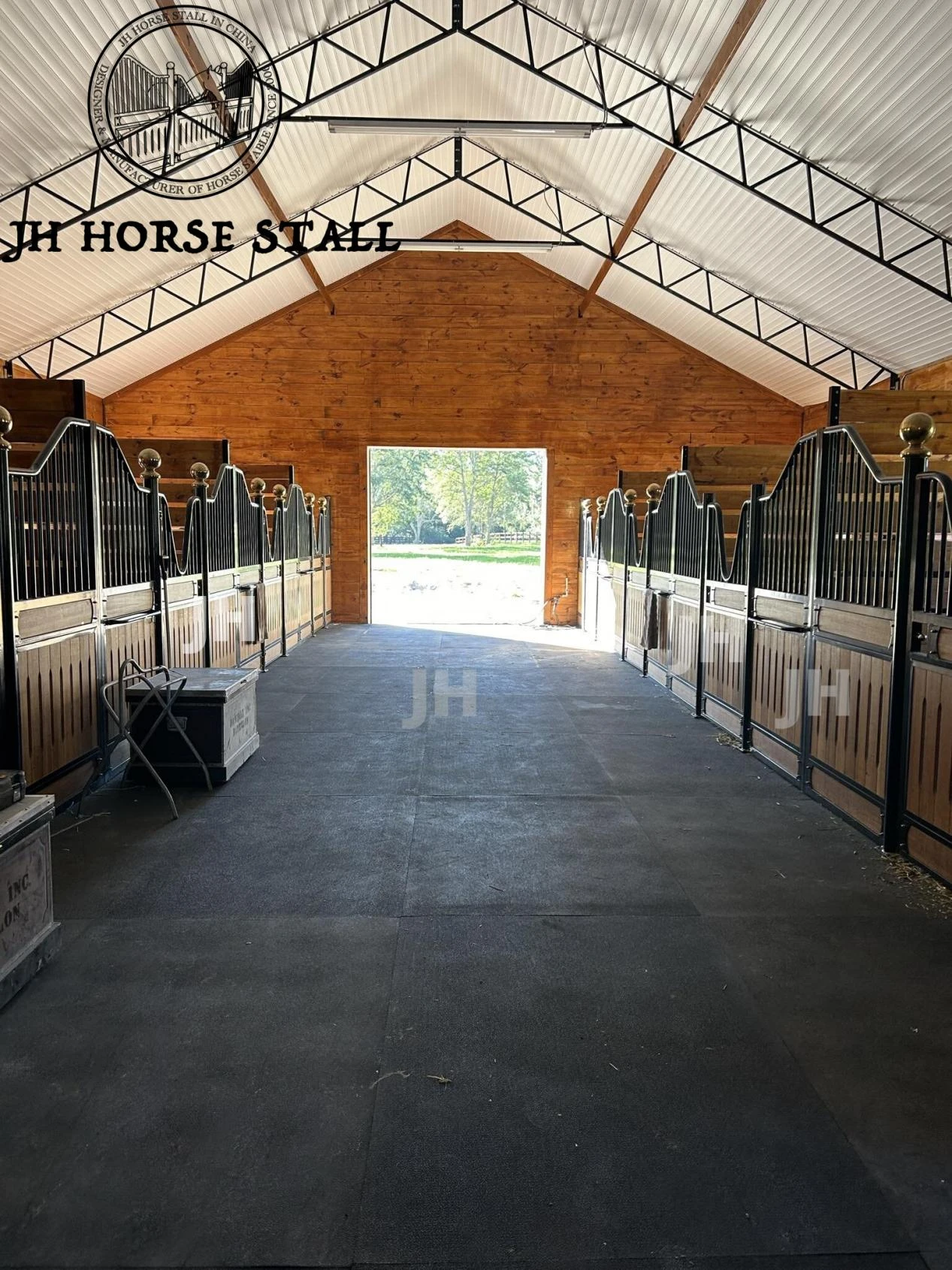
Stable construction employs a range of materials, each possessing distinct properties influencing performance and longevity. Wood, historically dominant, offers cost-effectiveness and ease of workability. Softwoods like pine and spruce are common for framing and stall components, however, they are susceptible to moisture absorption, fungal decay, and insect infestation. Therefore, pressure treatment with preservatives (e.g., chromated copper arsenate (CCA), alkaline copper quaternary (ACQ), borates) is crucial for outdoor structures and areas exposed to significant moisture. CCA use is declining due to environmental concerns, leading to increased adoption of ACQ and borate treatments. Hardwoods, such as oak and maple, provide greater strength and durability but are significantly more expensive. Steel, particularly galvanized steel, is increasingly used for structural framing and stall guards, offering superior strength-to-weight ratio and fire resistance. Galvanization provides a zinc coating preventing corrosion, but this coating degrades over time, requiring periodic maintenance. Aluminum offers excellent corrosion resistance and low weight but has lower strength than steel. Concrete is often used for foundations and flooring, providing a durable and stable base. The concrete mix design (cement type, aggregate size, water-cement ratio) must consider freeze-thaw cycles and exposure to equine waste. Modern stable designs also incorporate composite materials like fiber-reinforced polymers (FRP) for stall walls, offering lightweight, durable, and hygienic surfaces. Manufacturing processes vary depending on the material. Wood components are typically sawn, planed, and joined using nails, screws, or bolted connections. Steel structures are fabricated through welding, bolting, or riveting. Concrete is cast in place or precast. FRP components are typically manufactured using molding or pultrusion techniques. Precise parameter control during manufacturing – moisture content in wood, weld quality in steel, concrete curing time – is paramount for ensuring structural integrity and performance.
Performance & Engineering
The performance of a horse stable is dictated by its ability to withstand static and dynamic loads, resist environmental degradation, and maintain a hygienic environment. Static loads include the weight of the structure itself, roofing materials, and stored hay. Dynamic loads primarily stem from the horse’s weight, movement (kicking, leaning), and impact forces. Structural engineering calculations must account for these loads, ensuring adequate load-bearing capacity of framing members, stall walls, and supporting foundations. Wind loads are also a critical consideration, particularly in exposed locations. Ventilation is a critical engineering aspect, influencing air quality and temperature regulation. Natural ventilation relies on convective airflow, requiring appropriately sized openings and strategically positioned vents. Mechanical ventilation systems (fans) provide more precise control over airflow and humidity. Moisture control is paramount, as high humidity promotes fungal growth and respiratory issues in horses. Stable flooring must provide adequate traction and cushioning to minimize the risk of injury. Materials like rubber mats, wood shavings, and straw are commonly used for bedding. Drainage systems are essential for removing urine and manure, preventing the build-up of ammonia and other harmful gases. Compliance with building codes and animal welfare regulations is non-negotiable. These regulations dictate minimum stall sizes, ventilation requirements, fire safety standards, and waste management protocols. The long-term durability of the structure is greatly influenced by environmental resistance. UV exposure degrades wood and plastic materials. Freeze-thaw cycles can cause cracking in concrete and masonry. Corrosion affects metal components. The selection of materials and protective coatings must address these environmental factors.
Technical Specifications
| Parameter | Wood (Pine, Pressure Treated) | Galvanized Steel | Concrete (3000 PSI) | FRP Composite |
|---|---|---|---|---|
| Tensile Strength (MPa) | 40-60 | 400-550 | 2-4 | 200-300 |
| Compressive Strength (MPa) | 30-50 | 200-300 | 30-40 | 150-250 |
| Modulus of Elasticity (GPa) | 8-12 | 200 | 20-30 | 20-30 |
| Water Absorption (%) (24hr) | 15-25 | Negligible | 3-8 | <1 |
| Corrosion Resistance | Poor (without treatment) | Good (initial), Degrades over time | Excellent | Excellent |
| Thermal Conductivity (W/mK) | 0.12-0.15 | 45-55 | 1.4-1.8 | 0.2-0.4 |
Failure Mode & Maintenance
Horse stables are susceptible to a range of failure modes, necessitating proactive maintenance strategies. Wood structures can fail due to rot, insect damage, and splitting, particularly in areas exposed to moisture. Regular inspections and re-application of wood preservatives are essential. Steel structures can fail due to corrosion, leading to loss of section thickness and reduced load-bearing capacity. Corrosion can be mitigated through periodic cleaning, painting, or galvanizing repairs. Concrete structures can fail due to cracking, spalling, and freeze-thaw damage. Cracks should be sealed to prevent water ingress. FRP composite materials can delaminate or suffer from UV degradation. Regular cleaning and application of UV protective coatings are recommended. Stall components, such as hinges and latches, are prone to wear and tear. Regular lubrication and replacement of worn parts are necessary. Flooring materials can become damaged due to horse activity and cleaning practices. Rubber mats can tear or become dislodged. Wood shavings and straw require frequent replenishment. A common failure mode is stall wall breakage due to a horse kicking or leaning. Reinforced stall walls, using stronger materials or additional bracing, can mitigate this risk. Fatigue cracking can occur in steel framing members subjected to repeated loading. Regular inspections for cracks and prompt repairs are crucial. The build-up of manure and urine can accelerate corrosion and promote bacterial growth. Implementing effective cleaning and waste management protocols is essential for maintaining a hygienic environment and preventing structural damage.
Industry FAQ
Q: What is the optimal wood treatment for a stable in a high-humidity climate?
A: For high-humidity climates, Alkaline Copper Quaternary (ACQ) treatment is generally preferred over Chromated Copper Arsenate (CCA) due to environmental concerns regarding arsenic leaching. Borate treatments offer good protection against fungal decay and insects but are more susceptible to leaching in wet environments, requiring periodic re-application. A combination of ACQ treatment followed by a water-repellent coating offers the best long-term protection.
Q: How often should galvanized steel stall components be inspected for corrosion?
A: Galvanized steel stall components should be inspected annually, and more frequently in coastal or industrial environments. Look for signs of rust, blistering of the zinc coating, and reduction in metal thickness. Promptly address any corrosion by cleaning the affected area, applying a zinc-rich primer, and then painting with a corrosion-resistant topcoat.
Q: What concrete mix design is recommended for stable flooring exposed to equine waste?
A: A concrete mix with a minimum compressive strength of 3000 PSI (20.7 MPa) is recommended. The water-cement ratio should be low (0.45 or less) to minimize porosity and improve durability. Air entrainment should be incorporated to improve resistance to freeze-thaw cycles. Adding a pozzolanic material (e.g., fly ash or silica fume) can further enhance durability and reduce permeability.
Q: What are the key considerations for stall ventilation in a cold climate?
A: In cold climates, ventilation must balance the need for fresh air with minimizing heat loss. A well-insulated stable is crucial. Mechanical ventilation with heat recovery can provide controlled airflow while retaining heat. Avoid drafts directly on the horses. Ensure adequate roof overhangs to prevent snow accumulation around ventilation openings.
Q: What is the minimum stall size recommended for a 16-hand horse, according to industry best practices?
A: Industry best practices recommend a minimum stall size of 12ft x 12ft (3.66m x 3.66m) for a 16-hand horse. However, larger stalls (14ft x 12ft) are preferable to allow for greater freedom of movement and reduce the risk of injury. Consider the horse’s breed, temperament, and individual needs when determining the optimal stall size.
Conclusion
The successful design and maintenance of horse stables hinges on a thorough understanding of material science, structural engineering principles, and equine welfare considerations. The selection of appropriate materials, coupled with meticulous manufacturing processes and proactive maintenance strategies, is crucial for ensuring the longevity, safety, and hygiene of these essential structures. Failure to address these aspects can lead to structural deficiencies, increased maintenance costs, and potentially, harm to the animals.
Looking forward, advancements in composite materials, ventilation technologies, and waste management systems will continue to shape the evolution of stable design. Sustainable building practices, incorporating recycled materials and energy-efficient designs, will become increasingly important. A continued emphasis on research and development, coupled with adherence to evolving industry standards, will be essential for optimizing the performance and sustainability of horse stables in the years to come.
-
Morningside Stables at Columbia Horse Center Material Performance
-
melissa doug horse stable Material Science
-
lego friends stable horse Performance Analysis
-
large toy horse stable Construction and Performance Analysis
-
Horses Stables Material Properties
-
Horses in the stable dance Air Quality and Ventilation Engineering
-
horses in a stable lyrics Data Storage Infrastructure Analysis
-
Horse Stables Hiring Near Me Structural Performance Analysis
-
Horse Stables Boarding Material Performance Analysis
-
horse stable toys Material Science and Manufacturing
-
horse stable gate Performance Engineering
-
Horse Stable Design Material Performance
-
horse stable blanket Performance Analysis
-
horse barns and stables Material Science and Manufacturing
-
cumberland falls horse riding stables Material Science and Manufacturing