



Apr . 01, 2024 17:55 Back to list
iron horse stables Performance Analysis
Introduction
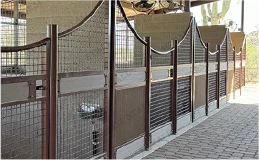
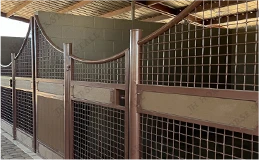
Iron horse stables represent a critical infrastructure component in equine care, specifically designed for the long-term housing of horses. Beyond simple shelter, modern stable construction focuses on providing a controlled environment conducive to equine health, safety, and well-being. This guide provides a comprehensive technical overview of iron horse stables, encompassing material science, manufacturing processes, performance engineering, failure modes, and relevant industry standards. The core function extends beyond protection from the elements; it incorporates ventilation, waste management, structural integrity, and fire safety, all of which require a robust understanding of material properties and engineering principles. The industry faces challenges in balancing cost-effectiveness with longevity, durability, and increasingly stringent animal welfare regulations. A key performance indicator (KPI) is the reduction of equine-related injuries directly attributable to stable infrastructure deficiencies. This document will serve as a resource for engineers, architects, stable owners, and procurement professionals involved in the design, construction, and maintenance of equine housing facilities.
Material Science & Manufacturing
The predominant materials used in iron horse stable construction are steel (various grades, primarily carbon steel and galvanized steel), timber (typically pressure-treated softwood or hardwood), concrete (for foundations and stall flooring), and roofing materials (steel, aluminum, or composite panels). The ‘iron’ in iron horse stable historically referred to the extensive use of cast iron for structural components, though modern construction increasingly relies on welded steel frameworks. Steel selection hinges on yield strength, tensile strength, and corrosion resistance. Galvanization, a zinc coating applied to steel, provides sacrificial protection against corrosion – a critical factor in environments exposed to equine urine and manure. Timber, when used, must undergo pressure treatment with preservatives to prevent rot and insect infestation. Concrete foundations require appropriate reinforcement (rebar) to resist cracking and settlement. Manufacturing processes involve steel fabrication (cutting, welding, bending, and assembly), timber milling and joinery, concrete mixing and pouring, and the application of protective coatings. Welding is a particularly crucial process; proper weld penetration, bead geometry, and heat treatment are essential to ensure structural integrity. Specifically, submerged arc welding (SAW) and gas metal arc welding (GMAW) are common techniques employed for larger structural elements. Parameter control during welding – amperage, voltage, travel speed – directly impacts the mechanical properties of the weldment. Corrosion prevention also necessitates the application of epoxy coatings or other durable finishes, particularly in areas directly exposed to waste products. Quality control checks at each stage, including non-destructive testing (NDT) such as ultrasonic testing (UT) and radiographic testing (RT), are vital for ensuring the long-term performance of the stable structure.
Performance & Engineering
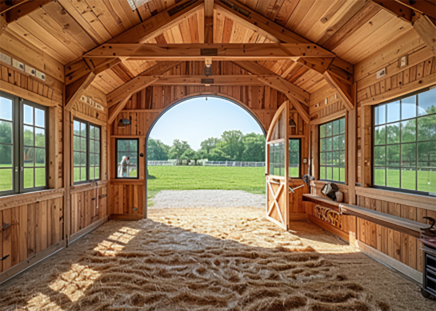
Performance engineering for iron horse stables focuses on load-bearing capacity, wind resistance, seismic stability (in relevant regions), and ensuring a safe and comfortable environment for the horses. Force analysis is paramount, accounting for static loads (the weight of the structure, roofing, and horses) and dynamic loads (wind gusts, snow accumulation, and horse activity). Structural elements must be designed to withstand these loads with an appropriate factor of safety. Wind resistance is crucial, particularly for open-front or partially enclosed stable designs. Engineering calculations must consider wind speed, direction, and the aerodynamic properties of the structure. Seismic design requires adherence to local building codes and the incorporation of earthquake-resistant features, such as reinforced foundations and flexible connections. Ventilation is a critical engineering aspect. Natural ventilation, achieved through strategically placed openings, relies on pressure differentials and wind patterns. Mechanical ventilation systems (fans, exhaust systems) may be required in enclosed stables to maintain air quality and prevent the build-up of ammonia and other harmful gases. Stall design directly impacts horse safety. Features such as padded walls, smooth flooring, and appropriate stall dimensions minimize the risk of injury. Fire safety is a major concern. Materials should be fire-resistant or treated with fire retardants. Escape routes and fire suppression systems (sprinklers, fire extinguishers) should be incorporated into the design. Compliance requirements include adherence to local building codes, animal welfare regulations, and fire safety standards. These standards vary significantly by region, necessitating a thorough understanding of applicable laws and regulations.
Technical Specifications
| Parameter | Unit | Typical Value (Standard Stable Stall) | Acceptable Range |
|---|---|---|---|
| Steel Grade (Structural Frame) | - | ASTM A36 | A36, A572 Grade 50 |
| Galvanization Coating Thickness | µm | 85 | 70-100 |
| Timber Moisture Content | % | 12-15 | 10-18 |
| Concrete Compressive Strength | MPa | 28 | 25-35 |
| Stall Width (Standard Horse) | m | 3.6 | 3.0 - 4.2 |
| Stall Depth (Standard Horse) | m | 3.6 | 3.0 - 4.2 |
| Roof Load Capacity (Snow) | kg/m² | 240 | 150-360 (dependent on location) |
Failure Mode & Maintenance
Common failure modes in iron horse stables include steel corrosion (leading to structural weakening), timber rot (resulting in loss of structural integrity), concrete cracking (due to settlement or freeze-thaw cycles), and weld failure (caused by fatigue or improper welding techniques). Corrosion is accelerated by exposure to equine urine, manure, and moisture. Fatigue cracking in steel structures can occur due to repeated stress cycles from wind loads and horse activity. Delamination of protective coatings (paint, galvanization) reduces corrosion resistance. Timber rot is exacerbated by poor ventilation and moisture accumulation. Concrete cracking can lead to water ingress and further deterioration. Oxidation of steel components, particularly in high-humidity environments, is a continuous process that requires monitoring. Preventative maintenance is crucial. Regular inspections should be conducted to identify signs of corrosion, rot, cracking, or weld defects. Corroded steel components should be cleaned and re-coated with protective coatings. Rotten timber should be replaced. Cracked concrete should be repaired with epoxy or other appropriate patching materials. Welds should be visually inspected for cracks or defects. Periodic tightening of bolts and fasteners is essential to maintain structural integrity. Proper drainage around the stable foundation is critical to prevent water accumulation and concrete deterioration. Routine cleaning and disinfection of stalls are important for maintaining hygiene and reducing the risk of corrosion from equine waste products.
Industry FAQ
Q: What is the optimal steel grade for a stable frame in a coastal environment with high salinity?
A: For coastal environments with high salinity, ASTM A572 Grade 50 with a robust galvanization coating (at least 100µm) is recommended. The higher strength of A572 provides greater structural capacity, while the thicker galvanization offers enhanced corrosion protection against saltwater exposure. Consideration should also be given to the application of an epoxy coating over the galvanization for additional barrier protection.
Q: How often should the timber components of a stable be treated with wood preservative?
A: Timber components should be initially treated with a high-quality wood preservative prior to installation. Subsequent treatments should be conducted every 3-5 years, depending on the severity of the environmental conditions and the type of preservative used. Regular visual inspections are crucial to identify signs of rot or insect infestation, prompting more frequent treatment if necessary.
Q: What are the key considerations when designing stall flooring to minimize equine injuries?
A: Stall flooring should be non-slip, provide adequate cushioning, and be easy to clean. Common options include rubber mats, concrete with a textured surface, and packed clay or loam. Rubber mats offer excellent cushioning and traction but require regular cleaning and replacement. Concrete should be smooth to prevent abrasions. Proper drainage is essential to prevent the build-up of moisture and ammonia.
Q: What are the primary causes of weld failure in stable structures and how can they be mitigated?
A: Primary causes of weld failure include inadequate weld penetration, improper welding technique, material defects, and fatigue loading. Mitigation strategies include ensuring qualified welders perform all welding operations, implementing rigorous quality control procedures (including NDT), selecting appropriate welding parameters for the specific steel grade, and designing connections to minimize stress concentrations.
Q: What ventilation rate is recommended for a fully enclosed stable housing ten horses?
A: A minimum ventilation rate of 8-10 air changes per hour (ACH) is generally recommended for a fully enclosed stable housing ten horses. This rate ensures adequate removal of ammonia, dust, and other airborne contaminants. Mechanical ventilation systems should be designed to maintain a consistent airflow and prevent the build-up of harmful gases.
Conclusion
The design and construction of iron horse stables require a multidisciplinary approach, integrating principles of material science, structural engineering, and animal welfare. The selection of appropriate materials, coupled with meticulous manufacturing processes and rigorous quality control, is paramount to ensuring the long-term durability, safety, and functionality of the stable structure. Understanding potential failure modes and implementing preventative maintenance measures are essential for maximizing the lifespan of the facility and minimizing the risk of equine-related injuries.
Future trends in stable construction are likely to focus on sustainable materials, energy-efficient ventilation systems, and the incorporation of smart technologies for monitoring environmental conditions and horse behavior. The integration of advanced sensors and data analytics can provide valuable insights into stable performance and optimize environmental control. Furthermore, the increasing emphasis on animal welfare will drive the development of innovative stall designs that prioritize horse comfort and reduce the risk of injury.
-
Star Stable Horses Technical Analysis
-
Horse Stabling Material Science and Performance
-
horse stable stardew Performance Analysis
-
Horse riding stables near me Performance and Engineering
-
horse stables in minecraft Performance Analysis
-
Horse Stable Urine Performance Analysis
-
Stable and Horse Structural Engineering
-
Horses in the stable Material Science and Manufacturing
-
horse boarding stables Material Science and Manufacturing
-
Horse Stabling Material Science and Performance
-
horse stables Material Science and Manufacturing
-
minecraft horse stable Performance Analysis
-
horse stable minecraft Structural Analysis
-
Horse Stables Near Me Performance and Engineering
-
Horse Stable Construction Performance Analysis