




Apr . 01, 2024 17:55 Back to list
small horse stable floor plans Performance Analysis

Introduction
Small horse stable floor plans represent a critical component of equine facility design, balancing animal welfare with operational efficiency. These plans move beyond simple shelter provision; they are integral to disease control, waste management, and the overall health and safety of both horses and handlers. Within the agricultural infrastructure chain, stable floor plans bridge the gap between animal husbandry principles and practical construction, requiring consideration of zoning regulations, building codes, and biosecurity protocols. Core performance metrics include stall size compliance with equine welfare standards, material durability for long-term use, and effective airflow to minimize respiratory issues. A poorly designed stable floor plan can lead to increased veterinary costs, compromised animal well-being, and ultimately, financial losses for the stable owner. This guide will detail the material science, engineering considerations, and practical maintenance required for optimal small horse stable floor plan implementation.
Material Science & Manufacturing
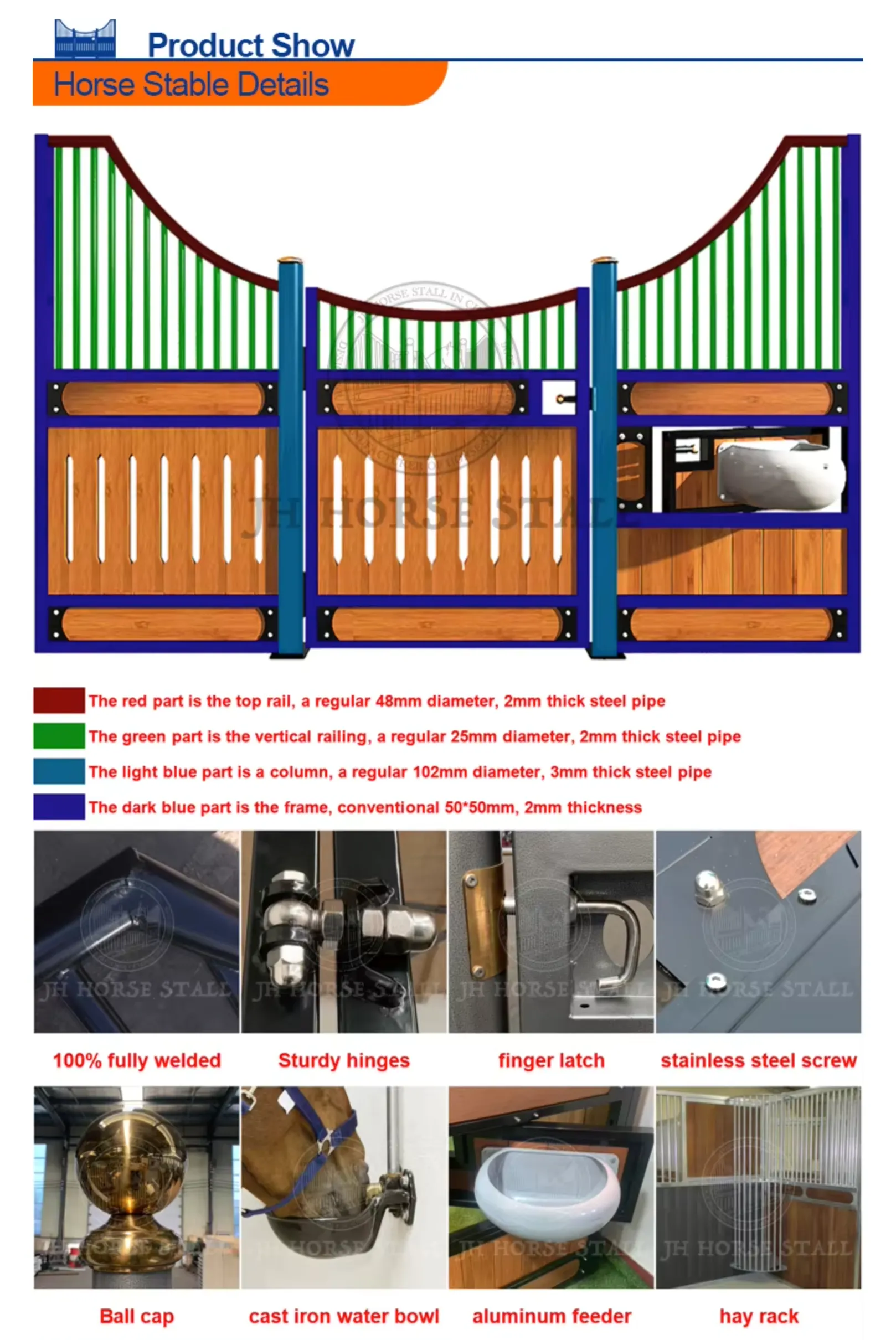
The foundational materials for small horse stable construction predominantly include wood (typically pressure-treated pine or hardwoods like oak), concrete, metal (steel and aluminum for stall components), and rubber matting. Wood, while offering cost-effectiveness and aesthetic appeal, requires careful consideration of preservative treatment. Pressure treatment with Alkaline Copper Quaternary (ACQ) or Copper Azole (CA) protects against fungal decay and insect infestation, although long-term leaching and potential environmental impacts must be assessed. Concrete provides robust flooring, offering durability and ease of cleaning, but its porosity necessitates sealing to prevent ammonia absorption and subsequent deterioration. Steel, utilized in stall dividers and door frames, requires galvanization or powder coating to mitigate corrosion. Aluminum, although more expensive, offers superior corrosion resistance. Rubber matting, commonly made from recycled tires or virgin rubber, provides cushioning, improves traction, and reduces concussion stress on equine limbs. Manufacturing processes vary. Wood framing utilizes standard timber framing techniques, with precise cutting and joining crucial for structural integrity. Concrete floors are typically poured-in-place, requiring accurate formwork and proper curing to achieve desired compressive strength. Metal components are fabricated through welding, cutting, and forming. Proper welding technique is critical, specifically avoiding weld porosity and ensuring complete fusion. Material selection and manufacturing quality directly impact stall longevity, animal safety, and maintenance requirements. Key parameter control includes wood moisture content (below 20% for structural stability), concrete compressive strength (minimum 3000 psi), and steel coating thickness (minimum 55 microns for galvanization).
Performance & Engineering
Performance of a small horse stable floor plan is governed by several engineering principles. Load-bearing capacity is paramount, considering the static weight of the horse, dynamic loads during movement, and potential snow loads in certain climates. Stall dimensions must adhere to guidelines set forth by organizations like the American Association of Equine Practitioners (AAEP), recommending minimum stall sizes based on horse height and breed. Ventilation is crucial to dissipate heat, moisture, and ammonia fumes, requiring careful calculation of air exchange rates and appropriate placement of windows and vents. A horse generates approximately 2.5 gallons of urine and 15-20 pounds of manure daily, demanding effective waste management systems. Flooring design impacts traction and concussion absorption; smooth concrete can be slippery, while deeply bedded straw can be unstable. Drainage systems must efficiently remove wastewater, preventing the build-up of bacteria and unpleasant odors. Structural analysis, particularly for roof support, requires consideration of wind loads and seismic activity. Compliance with local building codes and zoning regulations is essential, encompassing fire safety, accessibility, and environmental protection. Force analysis focuses on the lateral forces exerted by a horse leaning against stall walls, necessitating robust wall construction. Environmental resistance is critical; materials must withstand UV degradation, temperature fluctuations, and moisture exposure. Effective implementation necessitates adherence to established engineering practices and a thorough understanding of equine behavior and physiology.
Technical Specifications
| Stall Dimension (Internal) | Wall Construction Material | Flooring Material | Ventilation Rate (Air Changes/hr) |
|---|---|---|---|
| 12ft x 12ft (Standard) | Pressure-Treated Pine (4"x6" Studs) | Concrete (Sealed) with Rubber Matting | 8-12 |
| 10ft x 10ft (Pony Stall) | Pressure-Treated Pine (3"x4" Studs) | Clay Pavers | 6-8 |
| 14ft x 14ft (Draft Horse Stall) | Hardwood (6"x6" Timbers) | Concrete (Sealed) | 12-15 |
| 12ft x 12ft (Foaling Stall) | Pressure-Treated Pine (4"x6" Studs) with Padded Walls | Rubber Matting (Thickened) | 10-14 |
| 10ft x 12ft (Isolation Stall) | Steel Frame with Solid Wood Panels | Vinyl Flooring (Non-Porous) | 15+ (HEPA Filter Recommended) |
| 12ft x 16ft (Large Stall/Turnout) | Pressure-Treated Pine (6"x6" Posts) | Gravel Base with Rubber Matting | Variable, depending on enclosure |
Failure Mode & Maintenance
Small horse stable floor plans are susceptible to several failure modes. Wood structures can experience rot, decay, and insect infestation, particularly in areas exposed to moisture. Concrete floors are prone to cracking due to thermal stress, ground movement, or excessive loads. Corrosion of metal components is a common issue, especially in humid environments. Rubber matting can degrade from UV exposure, abrasion, and bacterial growth. Delamination of rubber mats can create tripping hazards. A common failure point is stall door hardware, which is subject to repeated stress and can fail due to loose hinges or broken latches. Fatigue cracking in welded metal components is also possible. Maintenance is critical for preventing these failures. Regular inspection for signs of rot, corrosion, and cracking is essential. Wood should be re-treated with preservative as needed. Concrete cracks should be sealed promptly to prevent water ingress. Metal components should be cleaned and coated with rust inhibitors. Rubber mats should be regularly cleaned and disinfected. Stall doors should be inspected and adjusted to ensure smooth operation. Drainage systems should be cleaned to prevent blockages. Proactive maintenance, including replacing worn or damaged components, significantly extends the lifespan of the stable and ensures the safety of the horses. Failure analysis should be conducted when significant damage occurs to identify the root cause and implement corrective actions.
Industry FAQ
Q: What is the optimal stall size for a 16-hand Thoroughbred?
A: For a 16-hand Thoroughbred, a stall size of 12ft x 12ft is generally considered the minimum acceptable size, adhering to AAEP recommendations. However, providing a 12ft x 14ft stall is preferable, allowing for greater freedom of movement and reducing the risk of injury. The horse's individual temperament and workload should also be considered; a more active horse may benefit from a larger stall.
Q: How often should concrete stable floors be resealed?
A: Concrete stable floors should be resealed every 1-2 years, depending on usage and exposure to ammonia and other corrosive substances. Regular sealing prevents the absorption of these substances, which can lead to concrete deterioration and odor buildup. Use a penetrating concrete sealer designed for agricultural applications.
Q: What are the key considerations for ventilation in a small horse stable?
A: Key considerations include ensuring adequate airflow to remove moisture, ammonia, and dust. Natural ventilation through windows and doors is beneficial, but may be insufficient in certain climates. Mechanical ventilation systems, such as exhaust fans, may be necessary to achieve the recommended air exchange rate of 8-15 air changes per hour. Proper placement of vents is crucial to avoid drafts directly on horses.
Q: What type of rubber matting is most suitable for a foaling stall?
A: For a foaling stall, thicker rubber matting (at least ¾ inch) with a textured surface is recommended to provide cushioning and traction for both the mare and foal. The matting should be non-porous and easy to clean and disinfect. Padded walls are also highly recommended to protect the mare and foal from injury.
Q: What are the long-term cost implications of using pressure-treated wood versus hardwood for stall construction?
A: While hardwood is more durable and resistant to wear, pressure-treated wood offers a lower initial cost. However, pressure-treated wood requires regular re-treatment to maintain its protective properties, adding to long-term maintenance costs. Hardwood, though more expensive upfront, typically requires less ongoing maintenance, potentially resulting in lower lifecycle costs.
Conclusion
The design and construction of small horse stable floor plans necessitate a multifaceted understanding of material science, engineering principles, and equine behavior. Optimizing stall dimensions, material selection, ventilation, and waste management are crucial for creating a safe, healthy, and efficient environment for horses. Ignoring these factors can lead to increased veterinary expenses, reduced animal welfare, and compromised operational efficiency.
Future advancements in stable design may include the integration of smart sensors for real-time monitoring of environmental conditions (temperature, humidity, ammonia levels) and automated waste removal systems. Continued research into sustainable materials and construction techniques will also be essential for minimizing the environmental impact of equine facilities. The effective implementation of these strategies relies on a commitment to proactive maintenance and adherence to established industry standards.
-
toy horse with stable Performance Analysis
-
stables for horses Performance and Engineering
-
small horse stable floor plans Performance Analysis
-
minecraft horse stables Performance Engineering
-
melissa and doug horse stable Material Science and Manufacturing
-
horses in the stable song Material Science and Manufacturing
-
horse stable in minecraft Performance and Engineering
-
Horse in a stable Structural Engineering and Performance Analysis
-
boarding stables for horses Material Science and Manufacturing
-
Pasture Turnout will pasturing horses reduce stable vices Performance Analysis
-
toy horse stable Material Science and Manufacturing
-
our generation horse stable Material Science Manufacturing
-
stardew horse stable Performance Analysis
-
Stable horse Structural Performance Analysis
-
horses in the stable lyrics Data Integrity Analysis