



Apr . 01, 2024 17:55 Back to list
stables for horses Performance and Engineering
Introduction
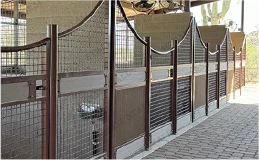
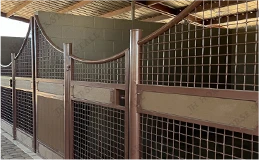
Horse stables represent a critical component within the equine industry, functioning as specialized structures designed to provide shelter, safety, and hygienic conditions for horses. Their technical position within the broader agricultural and animal husbandry chain is fundamental, impacting animal welfare, breeding success, and operational efficiency of equine facilities. Stables range from basic, portable shelters to highly engineered, permanent structures incorporating advanced ventilation, drainage, and fire suppression systems. Core performance characteristics center around structural integrity, resistance to environmental factors (wind, precipitation, temperature fluctuations), impact resistance from equine activity, and the ability to facilitate effective manure management. A primary industry pain point is balancing cost-effectiveness with the long-term durability and animal welfare considerations, specifically concerning ventilation to minimize respiratory issues and appropriate stall sizing to prevent injury.
Material Science & Manufacturing
Stable construction commonly employs wood, steel, aluminum, and concrete, each with distinct material properties. Wood, typically pressure-treated pine or hardwoods like oak, offers cost-effectiveness and workability but is susceptible to rot, insect infestation, and fire. Steel, often galvanized or powder-coated, provides superior strength and durability but requires corrosion protection and specialized fabrication techniques. Aluminum is lightweight, corrosion-resistant, and recyclable but typically carries a higher initial cost. Concrete is used for foundations and stall flooring, providing excellent durability and hygiene. Manufacturing processes vary significantly. Wood framing relies on joinery techniques like mortise and tenon or bolted connections, requiring precise cutting and assembly. Steel structures are often welded, riveted, or bolted, demanding skilled welders and adherence to structural welding codes (AWS D1.1). Concrete is cast in-situ or pre-cast, requiring careful aggregate selection, mixing ratios, and curing processes. Key parameter control includes wood moisture content (optimally below 20% to prevent warping), steel coating thickness (minimum 60 microns for galvanized steel), concrete compressive strength (typically 25-40 MPa), and dimensional accuracy of all components to ensure proper fit and structural integrity. Furthermore, the choice of stall flooring material – from clay or sand to rubber mats or concrete – impacts impact absorption, drainage, and hoof health, requiring consideration of material hardness, porosity, and coefficient of friction.
Performance & Engineering
Structural performance of stables is governed by force analysis, primarily considering dead loads (weight of the structure itself), live loads (weight of horses and stored materials), wind loads, and snow loads. Engineered designs must account for these loads, ensuring adequate support and stability. Wind load calculations follow ASCE 7 standards, considering wind speed, exposure category, and building height. Structural elements are sized to withstand bending moments, shear forces, and axial loads. Environmental resistance is critical. Stable materials must withstand UV degradation, temperature extremes (expansion and contraction), and moisture ingress. Ventilation systems are engineered to maintain air quality, minimize ammonia levels, and regulate temperature, preventing respiratory issues in horses. Compliance requirements vary by jurisdiction but often include building codes related to fire safety (NFPA standards), electrical wiring (NEC standards), and animal welfare (spacing requirements, stall dimensions). Drainage systems must efficiently remove urine and manure, preventing buildup and maintaining hygienic conditions. Fire resistance is particularly important, often requiring the use of fire-retardant treated wood or non-combustible materials like steel and concrete. Stall design prioritizes horse safety, minimizing sharp edges, protrusions, and entrapment hazards. Impact resistance of stall walls and doors is essential to prevent injury from kicking or leaning.
Technical Specifications
| Parameter | Unit | Wood Stable | Steel Stable |
|---|---|---|---|
| Structural Load Capacity (Live) | kN | 10-15 | 20-30 |
| Wind Load Resistance | kPa | 2.4-4.8 | 4.8-7.2 |
| Thermal Conductivity (Wall) | W/m²K | 0.15-0.25 | 0.3-0.5 |
| Fire Resistance Rating (Wall) | Minutes | 30-60 (Treated Wood) | 60-120 |
| Corrosion Resistance (Steel) | Years to First Maintenance | 5-10 (Galvanized) | 15-20 (Powder Coated) |
| Ventilation Rate (per Horse) | m³/hr | 100-200 | 150-250 |
Failure Mode & Maintenance
Common failure modes in horse stables include wood rot and decay (particularly in untreated or poorly maintained wood), corrosion of steel components (due to moisture and lack of protective coatings), fatigue cracking in welded steel joints (caused by repeated stress from equine activity), and concrete spalling or cracking (due to freeze-thaw cycles or improper mixing). Delamination of wood laminates can occur due to moisture ingress. Oxidation of metal fasteners can lead to weakening of connections. Maintenance strategies include regular inspections for signs of rot, corrosion, or cracking; re-application of protective coatings (paint, galvanizing, powder coating); tightening of loose fasteners; repair or replacement of damaged components; and thorough cleaning to remove manure and urine buildup. Wood structures require periodic treatment with wood preservatives. Steel structures benefit from regular washing and inspection of welds. Concrete structures should be sealed to prevent water penetration. Stall flooring requires periodic replacement or repair to maintain its impact-absorbing properties and prevent hoof injuries. Proactive maintenance significantly extends the lifespan of the stable and minimizes costly repairs. Addressing minor issues promptly prevents them from escalating into major structural failures.
Industry FAQ
Q: What is the optimal stall size for a 16-hand horse?
A: A generally accepted minimum stall size for a 16-hand (64 inches at the withers) horse is 12ft x 12ft (3.66m x 3.66m). However, larger stalls (14ft x 12ft) are recommended to allow for greater freedom of movement and reduce the risk of injury. Consideration should be given to the horse’s breed, temperament, and individual needs. Stall dimensions should comply with local animal welfare regulations.
Q: How important is ventilation in a stable environment?
A: Ventilation is critically important. Poor ventilation leads to a buildup of ammonia (from urine), dust, and other harmful gases, which can cause respiratory problems in horses, such as equine asthma and recurrent airway obstruction (RAO). Adequate ventilation maintains air quality, regulates temperature, and reduces humidity. Natural ventilation (through windows and doors) can be supplemented with mechanical ventilation systems.
Q: What are the key considerations when selecting stall flooring material?
A: Key considerations include impact absorption, drainage, traction, hygiene, and cost. Clay or sand provide good cushioning but require frequent maintenance. Rubber mats offer excellent impact absorption and are easy to clean, but can be expensive. Concrete is durable and hygienic but lacks cushioning. The chosen material should minimize the risk of hoof injuries and facilitate efficient manure removal.
Q: What type of wood treatment is best for preventing rot and insect damage?
A: Pressure-treated wood is the most effective option for preventing rot and insect damage. Modern pressure treatment uses copper-based preservatives, which are less toxic than older treatments containing chromated copper arsenate (CCA). Regular application of a water-repellent sealant can further enhance the wood’s durability. Borate treatments can also be used, particularly for interior wood components.
Q: What are the typical fire safety requirements for horse stables?
A: Fire safety requirements vary by jurisdiction but generally include the use of fire-retardant treated wood, fire-resistant roofing materials, adequate exits, and fire extinguishers. Electrical wiring must comply with relevant electrical codes (NEC). Smoke detectors are often required. Emergency evacuation plans should be in place and regularly practiced. The stable's location and proximity to other structures are also considered.
Conclusion
The construction and maintenance of horse stables represent a complex intersection of material science, structural engineering, and animal welfare considerations. Selecting appropriate materials and employing robust manufacturing processes are essential for ensuring structural integrity, environmental resistance, and long-term durability. Proactive maintenance, informed by an understanding of common failure modes, is crucial for maximizing the lifespan of the stable and minimizing the risk of costly repairs. The balance between initial cost, ongoing maintenance, and animal well-being remains a primary challenge for stable owners and operators.
Future developments in stable technology will likely focus on sustainable materials, advanced ventilation systems, and improved stall designs that prioritize horse comfort and safety. Increased adoption of prefabricated stable components could streamline construction and reduce costs. Furthermore, the integration of smart sensors and monitoring systems could provide real-time data on environmental conditions and horse behavior, enabling proactive management and improved animal health.
-
toy horse with stable Performance Analysis
-
stables for horses Performance and Engineering
-
small horse stable floor plans Performance Analysis
-
minecraft horse stables Performance Engineering
-
melissa and doug horse stable Material Science and Manufacturing
-
horses in the stable song Material Science and Manufacturing
-
horse stable in minecraft Performance and Engineering
-
Horse in a stable Structural Engineering and Performance Analysis
-
boarding stables for horses Material Science and Manufacturing
-
Pasture Turnout will pasturing horses reduce stable vices Performance Analysis
-
toy horse stable Material Science and Manufacturing
-
our generation horse stable Material Science Manufacturing
-
stardew horse stable Performance Analysis
-
Stable horse Structural Performance Analysis
-
horses in the stable lyrics Data Integrity Analysis