
Average Horse Stall Dimensions
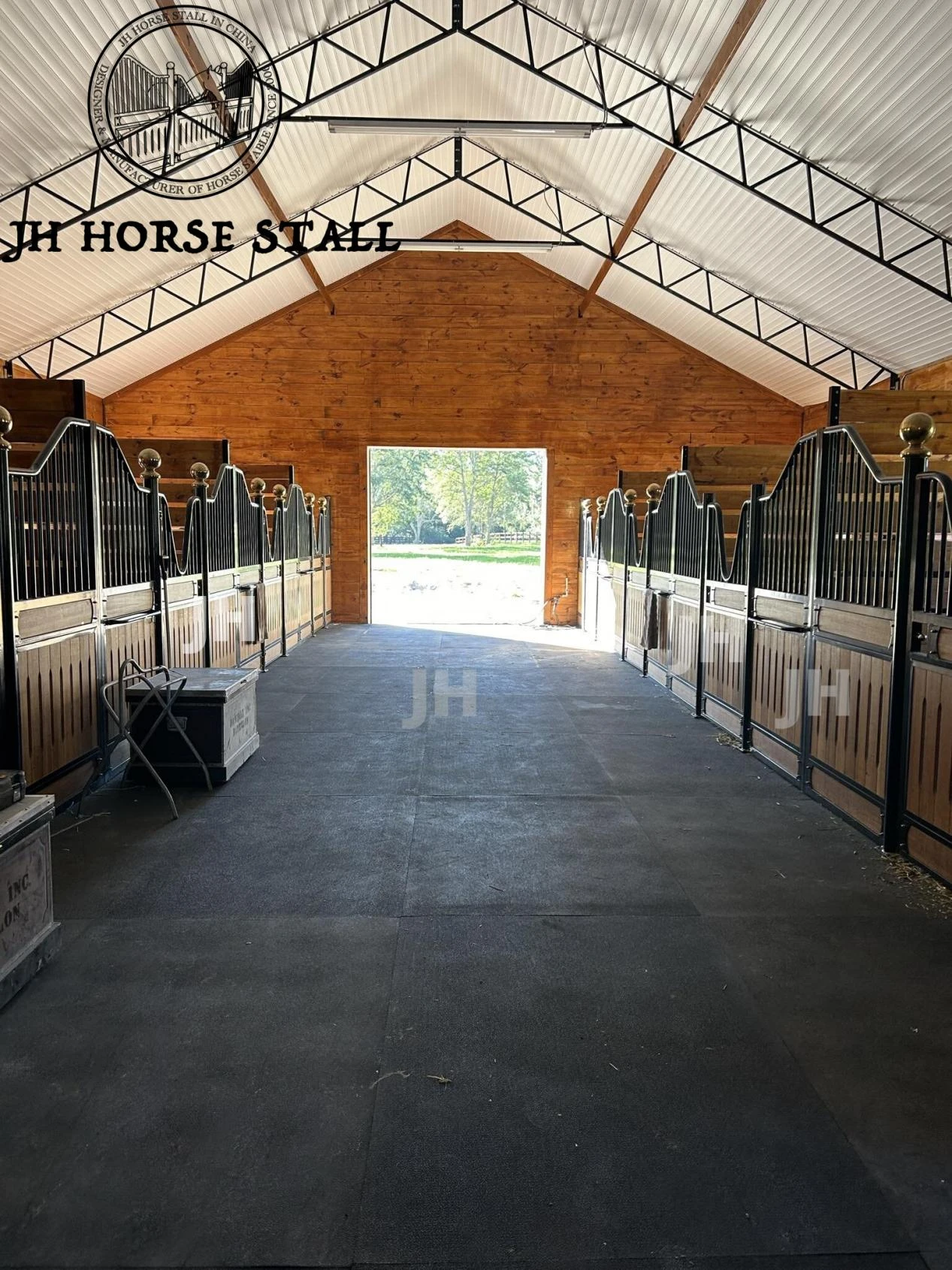
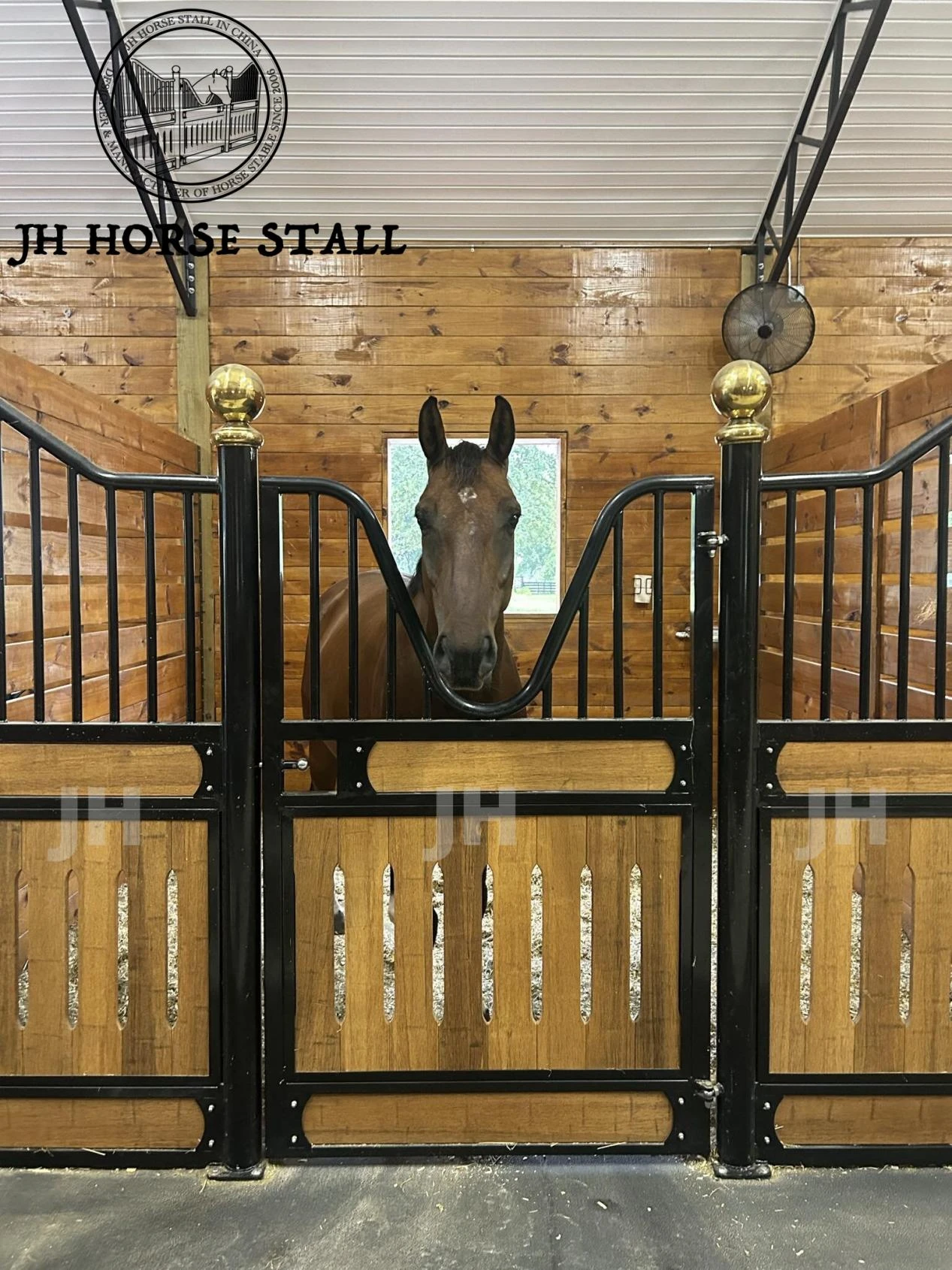
The average horse stall dimensions play a crucial role in ensuring the comfort and well-being of your equine companions. Whether you are building a new barn or renovating an existing space, understanding these dimensions is essential for providing an environment that promotes health and safety. This comprehensive guide delves into the ideal stall sizes, their importance, and how they can impact your horse's lifestyle.
Key Features
- Standard Sizes: Our specifications cover the most commonly accepted average horse stall dimensions to accommodate various breeds and sizes.
- Customizable Options: Flexibility in design allows for tailored solutions to meet specific needs.
- Ventilation and Safety: Designed with horse health in mind, promoting adequate airflow and minimizing stress.
- Durability: Constructed from high-quality materials to withstand wear and tear in busy equestrian environments.
- Easy Maintenance: Designed for simple cleaning and upkeep, ensuring a hygienic space for your horses.
Technical Specifications
| Dimension Type | Measurement (ft) | Measurement (m) |
|---|---|---|
| Standard Stall Size | 12 x 12 | 3.66 x 3.66 |
| Large Stall Size | 14 x 14 | 4.27 x 4.27 |
| Mini Stall Size | 10 x 10 | 3.05 x 3.05 |
| Height | 8 - 10 | 2.44 - 3.05 |
Application Scenarios
The average horse stall dimensions are applicable in various scenarios, catering to different needs and environments. Here are a few common applications:
- Commercial Equestrian Centers: With multiple horses, maintaining consistent stall sizes enhances overall barn management.
- Private Barns: Homeowners can customize their stalls according to personal preferences while adhering to average standards.
- Training Facilities: Adequate stall dimensions help in training environments, ensuring horses can rest and recuperate effectively.
- Rescue Organizations: Providing proper housing for rescued horses is vital, making standard dimensions a key consideration.
Advantages
Choosing the right average horse stall dimensions provides several advantages:
- Enhanced Comfort: Adequate space allows horses to move freely, lie down, and engage in natural behaviors.
- Improved Health: Proper stall sizing reduces the risk of injuries and stress-related issues, contributing to overall well-being.
- Efficient Management: Standard dimensions facilitate easier feeding, cleaning, and monitoring of horses within the stalls.
- Increased Value: Well-designed stalls attract buyers if you decide to sell your property in the future, enhancing overall value.
Why Choose Us
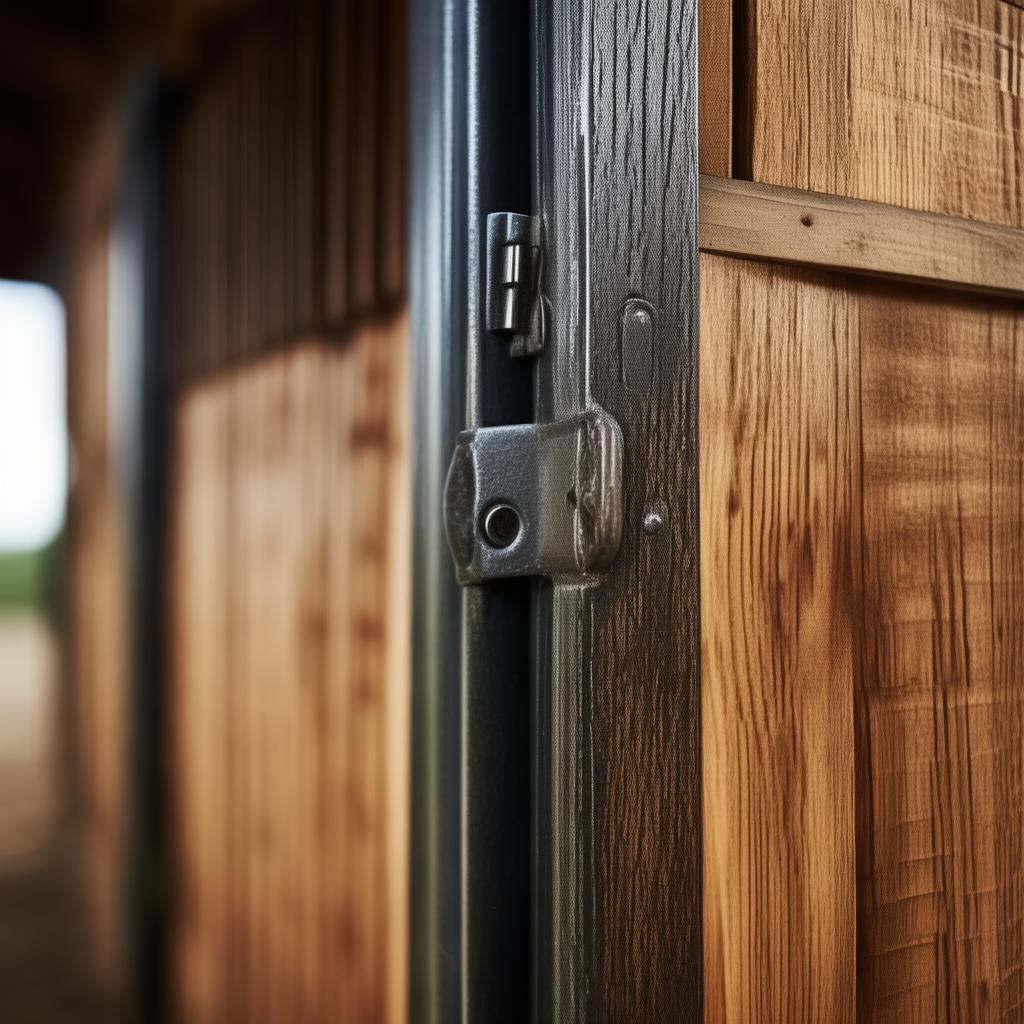
Our expertise in equestrian architecture and stall design sets us apart in the industry. By focusing on average horse stall dimensions, we ensure the following:
- Expertise: Our team of professionals has years of experience in designing equine facilities that prioritize horse health and safety.
- Quality Materials: We utilize only the best materials, ensuring durability and longevity for your stalls.
- Customer-Centric Approach: We work closely with our clients to understand their specific needs and tailor our solutions accordingly.
- Compliance with Standards: Our designs adhere to industry standards, ensuring that your stalls meet regulatory requirements.
FAQ
What are the standard average horse stall dimensions?
The standard average horse stall dimensions are typically 12 feet by 12 feet (3.66 meters by 3.66 meters) for most horses. Larger breeds may require larger stalls, often measuring 14 feet by 14 feet (4.27 meters by 4.27 meters).
Can I customize the stall dimensions for my horses?
Yes, customization is possible. While we recommend adhering to average dimensions for optimal comfort, we can work with you to create stalls that meet your specific requirements.
How does stall size affect horse behavior?
Proper stall size significantly impacts a horse's behavior. Stalls that are too small can lead to stress, anxiety, and even injuries, whereas adequately sized stalls promote relaxation and allow for natural behaviors.
What materials are best for building horse stalls?
Durable materials such as treated wood, metal, and composite materials are commonly used. Our stalls are designed to withstand the rigors of daily use while providing a safe environment for your horses.
How can I ensure proper ventilation in my horse stalls?
To ensure proper ventilation, consider incorporating windows, vents, and adequate airflow systems in your stall design. This is crucial for maintaining a healthy environment.