
Best Horse Fencing Options
When it comes to ensuring the safety and security of your horses, selecting the best horse fencing options is crucial. A reliable fence not only protects your valuable equine assets but also enhances the overall aesthetic of your property. In this guide, we delve into the best horse fencing options available, highlighting their key features, specifications, applications, advantages, and why choosing us for your fencing needs is the best decision you can make.
Product Overview
The best horse fencing options are designed with durability, safety, and visibility in mind. Various materials and styles cater to the specific needs of horse owners, whether you're managing a small hobby farm or a large equestrian facility. Our selection includes traditional wooden fencing, vinyl options, and advanced electric fencing systems, each tailored to meet the unique requirements of horse containment and protection.
Key Features
- Durability: Constructed from high-quality materials that withstand harsh weather conditions.
- Safety: Designed to prevent injuries to horses, with smooth edges and secure structures.
- Visibility: Options available that are easy to see from a distance, reducing the risk of accidents.
- Customizability: Various styles and sizes to fit your specific property layout.
- Low Maintenance: Materials like vinyl and composite require minimal upkeep compared to traditional wood fencing.
Technical Specifications
| Fencing Type | Material | Height | Weight | Lifespan | Maintenance |
|---|---|---|---|---|---|
| Wooden Fencing | Pressure-treated wood | 4-6 ft | Varies by type | 10-15 years | Moderate |
| Vinyl Fencing | High-density polyethylene | 4-5 ft | Lightweight | 25-30 years | Low |
| Electric Fencing | Polywire, tape, or rope | Varies | Varies | 5-10 years | Low |
Application Scenarios
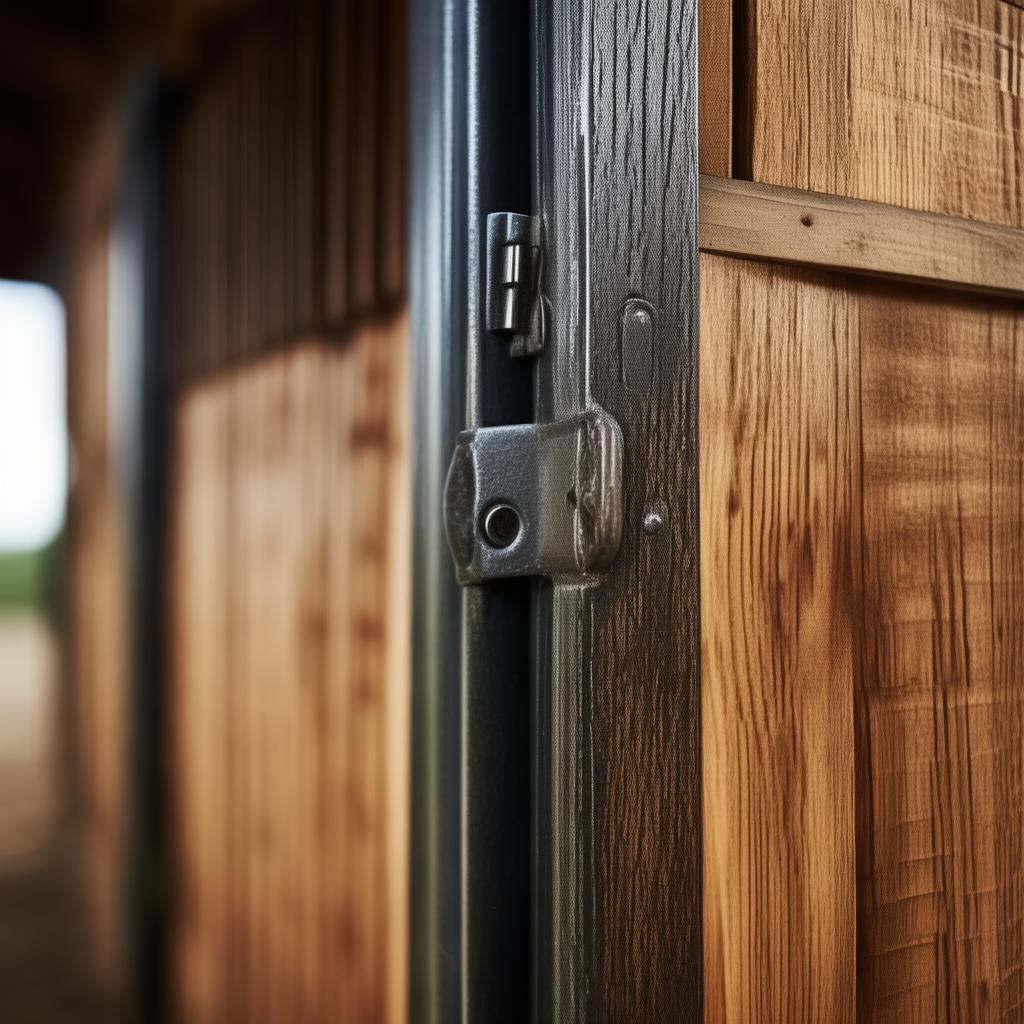
The best horse fencing options are suitable for a variety of settings, including:
- Private Farms: Ideal for horse owners looking to establish a safe and secure environment.
- Equestrian Centers: Perfect for professional stables and training facilities.
- Pasture Management: Efficient for managing grazing areas and protecting fields.
- Riding Arenas: Essential for enclosing areas where horses are ridden and trained.
- Show Grounds: Important for creating safe enclosures during competitions and events.
Advantages
Choosing the best horse fencing options provides numerous advantages:
- Enhanced Safety: Prevents escape and reduces the chance of injury, providing peace of mind to horse owners.
- Cost-Effective: Durable materials and low maintenance options save money in the long run.
- Variety of Styles: Choose from a range of designs that complement your property and meet your functional needs.
- Easy Installation: Many fencing options are designed for straightforward assembly, reducing labor costs.
- Long-Term Investment: High-quality fencing options are an investment in the safety and well-being of your horses.
Why Choose Us
When it comes to sourcing the best horse fencing options, our company stands out for several reasons:
- Expertise: With years of experience in the equestrian industry, we understand the unique requirements of horse owners.
- Quality Assurance: We offer only the highest quality products that meet stringent safety and durability standards.
- Custom Solutions: Our team works closely with clients to provide tailored fencing solutions that fit their specific needs.
- Exceptional Customer Service: We are committed to providing outstanding support before, during, and after your purchase.
- Competitive Pricing: We strive to offer fair pricing without compromising on quality.
FAQ
1. What is the best material for horse fencing?
The best material for horse fencing depends on your specific needs. Wooden fencing offers a traditional look and solid security, while vinyl fencing is low maintenance and long-lasting. Electric fencing can also be a great option for keeping horses contained.
2. How high should horse fencing be?
Typically, horse fencing should be at least 4-6 feet high to prevent horses from jumping over. The height may vary based on the breed and behavior of your horses.
3. How do I maintain my horse fencing?
Maintenance depends on the type of fencing. Wooden fences should be checked regularly for rot and damage, while vinyl fences can be cleaned with soap and water. Electric fences need periodic checks to ensure the wiring is intact and functioning.
4. Can I install horse fencing myself?
Yes, many horse fencing options are designed for easy installation. However, it’s recommended to consult with professionals if you are unsure about the process or if the fencing system is complex.
5. How long does horse fencing last?
The lifespan of horse fencing varies by material. Wooden fencing typically lasts 10-15 years, while vinyl can last up to 30 years with proper care. Electric fencing usually requires replacement every 5-10 years depending on usage and environmental factors.